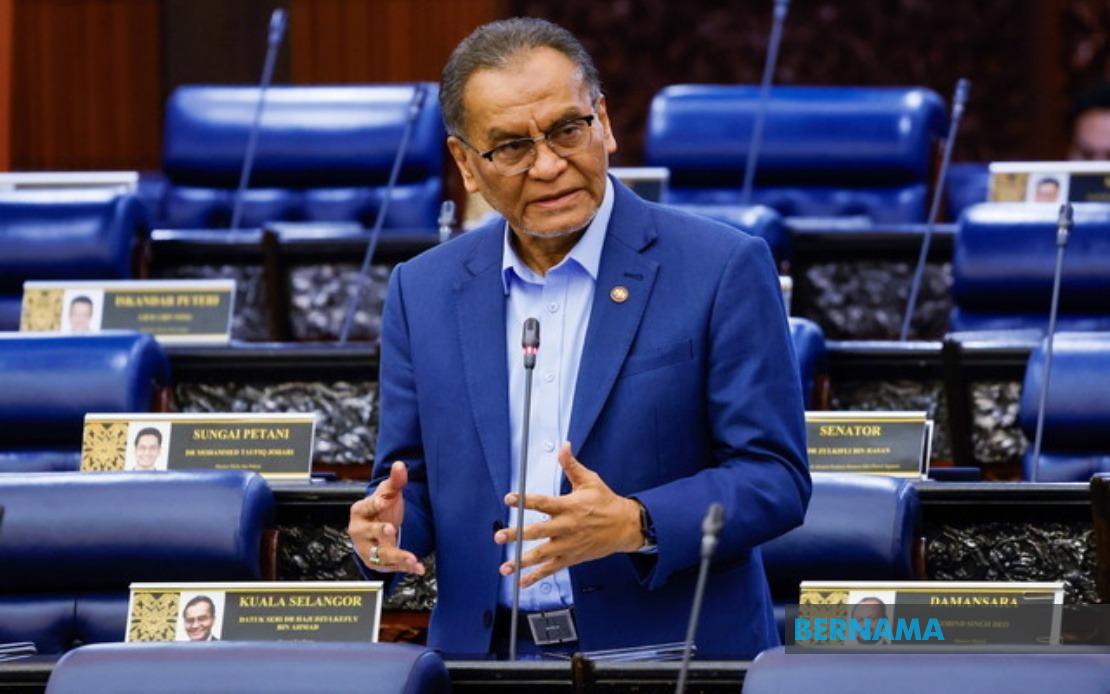
Health Minister Datuk Seri Dr Dzulkefly Ahmad has announced plans for a new hospital in Bandar Enstek, Nilai, Negeri Sembilan, to address mounting pressure on healthcare infrastructure in the Seremban district. The facility will serve residents across the region while significantly reducing the burden on Tuanku Ja'afar Hospital (HTJ), which currently operates at strain due to rising demand. The decision reflects the ministry's strategic approach to healthcare expansion in areas experiencing rapid development and demographic shifts.
The proposed hospital location in the northern Seremban corridor offers a logical solution to congestion problems facing the state's primary medical institution. Dr Dzulkefly noted that accelerating development in the area has driven a substantial population increase, creating genuine healthcare infrastructure gaps. The Health Ministry arrived at this decision following a comprehensive review of an earlier proposal for a second Tuanku Ja'afar Hospital facility at Rasah, and consultation with Negeri Sembilan Menteri Besar Datuk Seri Aminuddin Harun on June 16.
The state government has identified two parcels of land, each comprising 50 acres (20 hectares), held by the Federal Lands Commissioner within the proposed development corridor. The Ministry of Health will conduct site inspections to evaluate both locations and select the most appropriate venue. Following this assessment, officials will lodge a land-use conversion application with the Department of the Director General of Lands and Mines, a procedural requirement necessary before construction can commence.
Once land conversion receives formal approval, preliminary development activities will begin without delay. These foundational stages encompass comprehensive land surveying, geological and soil investigations, production of conceptual architectural designs, detailed project cost assessments, and completion of the mandatory Value Assessment exercise. This structured approach ensures thorough planning and cost efficiency before major capital investment. The timeline for these preparatory phases typically spans several months, with actual construction expected to follow within a reasonable period thereafter.
Beyond the Bandar Enstek facility, the Negeri Sembilan state government has committed additional land resources to support healthcare advancement. An area of 36.748 acres (approximately 14 hectares) of Federal Reserve land in Bandar Seremban has been earmarked for future medical projects, including expansion space for the existing Tuanku Ja'afar Hospital and development of a Centre of Excellence focused on specialised healthcare training and research. This two-pronged expansion strategy demonstrates commitment to both immediate capacity relief and long-term sectoral enhancement.
The hospital announcement forms part of broader initiatives to strengthen Malaysia's healthcare workforce, particularly efforts to repatriate highly skilled medical professionals working abroad. The government, through TalentCorp, operates the Returning Expert Programme (REP), which incentivises diaspora members to relocate to Malaysia for professional practice. The scheme provides attractive benefits including income tax exemptions and excise duty relief on locally manufactured vehicle purchases, addressing key financial considerations that influence expatriate relocation decisions.
Healthcare specialists represent a substantial portion of REP applicants, with particularly strong interest from Malaysian medical and nursing professionals employed in the United Kingdom, Singapore, and Australia. Specialists and doctors constitute the largest applicant cohort, reflecting the substantial demand for advanced clinical expertise within Malaysia's medical system. The incentive structure appears effective in attracting this demographic, though broader uptake and retention strategies remain areas of ongoing focus for workforce planners.
Regarding overseas recruitment to address workforce shortages, Malaysia has established regulatory frameworks permitting qualified foreign medical professionals to practise domestically. The Malaysian Medical Council and Malaysian Nursing Board maintain oversight to preserve healthcare quality standards across the sector. Currently, the Health Ministry engages non-citizen medical specialists in critical clinical disciplines and geographically isolated locations where local expertise proves insufficient, supplementing the workforce strategically rather than comprehensively.
The ministry also facilitates housemanship training for non-citizen medical graduates who are permanent residents or spouses of Malaysian citizens, thereby developing a secondary pathway for international talent integration. However, foreign nursing recruitment remains under evaluation, with feasibility assessments ongoing across relevant government ministries and agencies. The deliberative approach reflects complexity surrounding nursing workforce policy, balancing local employment concerns against genuine service requirements in regional and rural healthcare facilities.
The Bandar Enstek hospital development addresses immediate infrastructure capacity constraints while supporting longer-term health system resilience across Negeri Sembilan. For Malaysian healthcare administrators, the project represents pragmatic responsiveness to demographic pressures and development patterns. The decision to site a new facility rather than expand the existing HTJ2 concept at Rasah demonstrates flexibility in strategic planning, recognising that geographic decentralisation may better serve dispersed populations across expanding urban-suburban corridors. Implementation success will depend on timely land conversion approvals and sustained budgetary commitment through extended construction timelines, factors that require attention from both state and federal authorities to ensure healthcare infrastructure keeps pace with population growth across the region.

