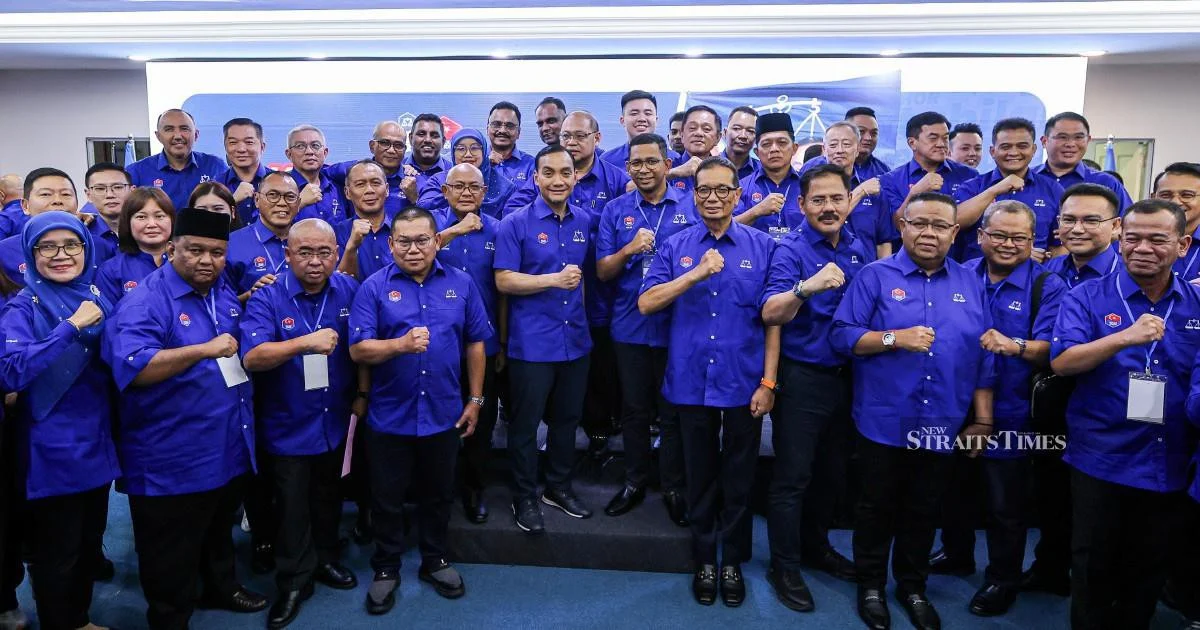
Newly selected candidates representing Barisan Nasional component parties in Johor have publicly pledged their determination to secure a decisive victory for the coalition in the 16th state election scheduled for July 11. This generation of political newcomers brings optimism and fresh momentum to the BN machinery in Malaysia's southernmost peninsular state, signalling the coalition's confidence in its prospects despite the competitive political environment.
The emergence of these new faces reflects Barisan Nasional's broader strategy to rejuvenate its political brand and appeal to voters who may be fatigued by long-serving representatives. In recent years, Malaysian voters have demonstrated a willingness to support new candidates who campaign on platforms of reform and renewed commitment to constituent issues, and the Johor BN campaign appears to be capitalising on this sentiment. The selection process itself underscores the coalition's recognition that generational renewal is essential for maintaining its political relevance in Johor, where it has traditionally maintained significant electoral strength.
Johor, as a strategically important state for Barisan Nasional's national political standing, carries considerable symbolic weight in Malaysian politics. The state's political complexion directly influences broader national dynamics, and coalition leaders clearly view the July 11 election as an opportunity to demonstrate the BN's enduring appeal and organisational capacity. A strong performance in Johor would provide the federal government with a mandate to continue its policy direction and could shift momentum ahead of future national elections.
These new candidates represent diverse demographic profiles and professional backgrounds, ranging from businesspeople to professionals and local community activists. This diversity suggests that Barisan Nasional is deliberately broadening its recruitment beyond the traditional pool of political insiders, attempting to present a coalition that reflects the varied composition of modern Johor society. Such deliberate positioning aims to counter perceptions of insularity that have occasionally dogged the BN in past electoral contests.
The timing of the July 11 election places particular emphasis on campaign messaging and ground organisation, the areas where newly energised candidates often prove particularly effective. New candidates frequently demonstrate higher enthusiasm levels and stronger connectivity with younger voters and emerging demographic segments that traditional candidates sometimes struggle to reach. This grassroots dynamism could prove decisive in closely contested constituencies where mobilisation margins typically determine outcomes.
For the regional political landscape, a BN victory in Johor would reinforce the coalition's dominance in the southern region and provide it with a significant platform for advancing its legislative agenda in the state assembly. Conversely, any setback would embolden opposition parties and potentially destabilise the coalition's federal position. The stakes are therefore considerably higher than a routine state election, with implications extending well beyond Johor's borders.
The determination expressed by these new Barisan Nasional candidates reflects both genuine personal ambition and calculated party strategy. While individual aspirations drive these politicians, their collective commitment serves the broader institutional interests of the coalition, which depends on sustained electoral success to maintain its grip on state governance and influence national policy. This alignment of personal and institutional objectives typically generates the intense campaigning necessary to mobilise voters effectively.
Opposition parties are undoubtedly aware of the threat posed by Barisan Nasional's generational refresh in Johor. Competitors will likely attempt to portray these new BN candidates as inexperienced or insufficiently grounded in constituency issues, deploying experience and longevity as counter-arguments. The opposition will simultaneously emphasise its own credentials and cast the election as a choice between continuity and change, even as BN attempts to position itself as the force for renewal.
BN's component parties, including UMNO, MCA, and MIC, each contributed candidates to this refreshed slate, demonstrating the coalition's commitment to maintaining the power-sharing arrangements that have underpinned its electoral machinery for decades. This interparty coordination, despite occasional tensions, remains fundamental to Barisan Nasional's competitive advantage in Johor and elsewhere in Malaysia. The component parties' ability to maintain unity around this slate of new candidates will significantly influence the coalition's campaign effectiveness.
For Malaysian voters in Johor, these new Barisan Nasional faces represent an opportunity to assess whether the coalition can genuinely revitalise itself or whether new candidates merely perpetuate existing power structures under different personnel. The campaign period will reveal whether these new figures offer substantive policy innovations or primarily serve as more youthful vessels for traditional BN governance approaches. This distinction will likely influence how different voter segments ultimately cast their ballots.
The July 11 election will ultimately serve as a test of whether Barisan Nasional's generational renewal strategy succeeds in reconnecting the coalition with voters and whether the enthusiasm of new candidates translates into increased electoral support. The result could establish a template for how the coalition approaches future state elections and national polling, making Johor's outcome nationally significant despite its status as a single state election.

