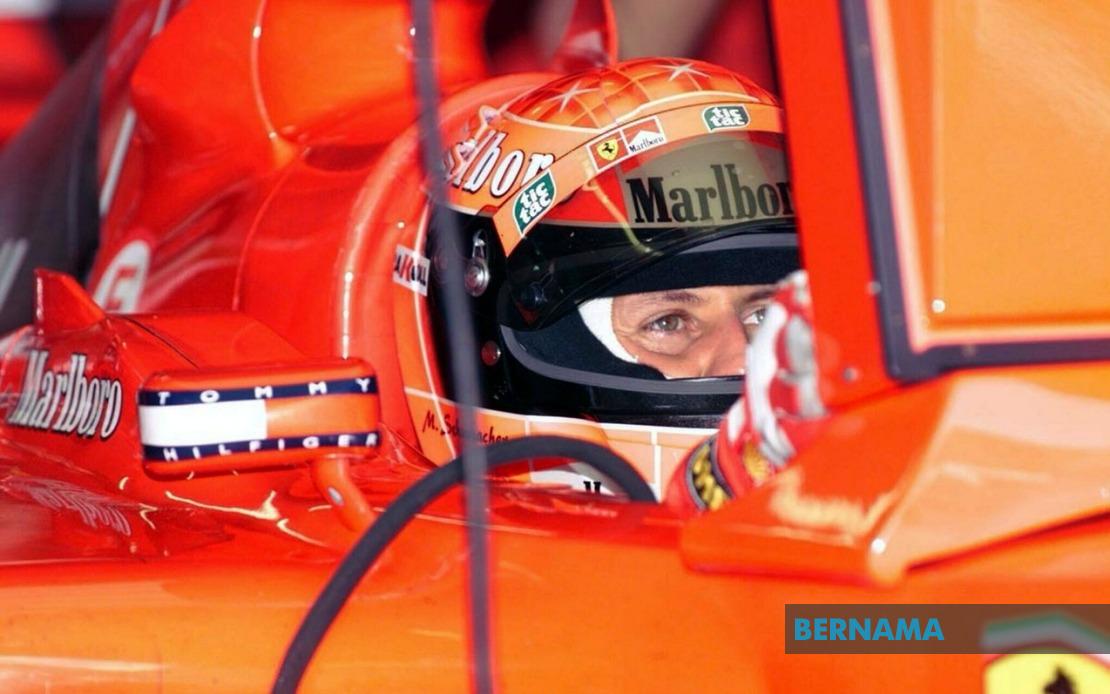
Netflix has announced the October 2 release of a major documentary examining the life and career of Michael Schumacher, the legendary German Formula One driver whose influence on motorsport and global popular culture remains substantial even after his retirement. The streaming platform's production, developed in collaboration with Schumacher's wife Corinna, focuses primarily on the pivotal 1994 season when the then 25-year-old secured the first of his record-equalling seven world titles, marking a turning point in both his professional trajectory and the sport itself.
The 1994 campaign represents one of the most controversial and emotionally charged years in Formula One history, and the documentary examines this complexity through multiple perspectives. That season witnessed Schumacher's rapid ascension from a talented but relatively unproven driver to world champion status, yet it occurred against a backdrop of significant controversy and tragedy that continues to define public memory of the year. The documentary promises to explore not just the sporting achievements but the full context of events that unfolded during those twelve months.
Central to the narrative is the fierce championship battle between Schumacher and British driver Damon Hill, which culminated in Adelaide, Australia, in a collision that handed Schumacher the title by a single point. This finale remains one of the most debated moments in motorsport, with many observers questioning the legality and sportsmanship of Schumacher's defensive driving. The Adelaide incident crystallised growing tensions about how far competitive aggression should extend and became symbolic of broader questions about ethics in elite sport.
The competitive season was shadowed by damaging allegations against Schumacher's Benetton team, with critics arguing that the vehicle's design and technology violated regulations designed to contain costs and maintain competitive balance. These cheating accusations, though never formally proven in legal proceedings, cast a shadow over Schumacher's maiden title and became a permanent fixture in discussions about the legitimacy of his achievement. The documentary's examination of these claims provides viewers with contemporary analysis and perspectives from those directly involved in the controversy.
Particularly significant is the documentary's engagement with two fatal accidents that occurred during the 1994 season, fundamentally altering the sport's relationship with safety and mortality. The deaths of Austrian driver Roland Ratzenberger and three-time champion Ayrton Senna represented a watershed moment when Formula One confronted the genuine physical dangers inherent in high-speed competition. For many observers, Schumacher's championship win became inseparable from these tragedies, complicating the celebration of sporting success with sobering reflection on the human cost of motorsport.
The production assembles an impressive array of historical figures and key participants to provide testimony and analysis. Corinna Schumacher's involvement signals the family's active engagement with shaping this narrative, while former Benetton team principal Flavio Briatore offers insider perspective on the technical and competitive dimensions of the season. Bernie Ecclestone, the long-time commercial steward of Formula One, contributes his observations on how the 1994 season influenced the sport's subsequent development and commercialisation.
Former drivers including David Coulthard provide first-hand accounts of racing during this era, offering insights into how drivers perceived and competed against Schumacher during this formative period. Willi Weber, Schumacher's manager at the time, brings professional perspective on how the young driver's career was shaped and managed during this critical juncture. These diverse testimonies create a multifaceted portrait of a complex season that transcended simple sporting narrative.
The documentary also traces the emergence of what became known as "Schumi-mania" in Germany, documenting how Schumacher's success catalysed unprecedented national enthusiasm for Formula One in his home country. This cultural phenomenon reflected broader patterns of how sporting heroes can mobilise national identity and pride, transforming a motorsport driver into a figure of significant social importance. The documentary examines how Schumacher's achievements resonated beyond racing enthusiasts to become embedded in German popular culture.
Michael Schumacher's circumstances since his retirement add poignant context to the documentary's retrospective examination. The 57-year-old has remained largely withdrawn from public life following a severe head injury sustained while skiing in 2013, an accident that transformed him from one of sports' most visible figures into someone whose current condition remains largely private. This narrative arc—from championship-winning driver through years of unprecedented public prominence to years of privacy following injury—frames the documentary as an examination of a significant historical figure whose later life contrasts starkly with his earlier public prominence. The Netflix production thus serves simultaneously as sporting history, family portrait, and meditation on celebrity, achievement, and the unforeseen circumstances that reshape lives.

