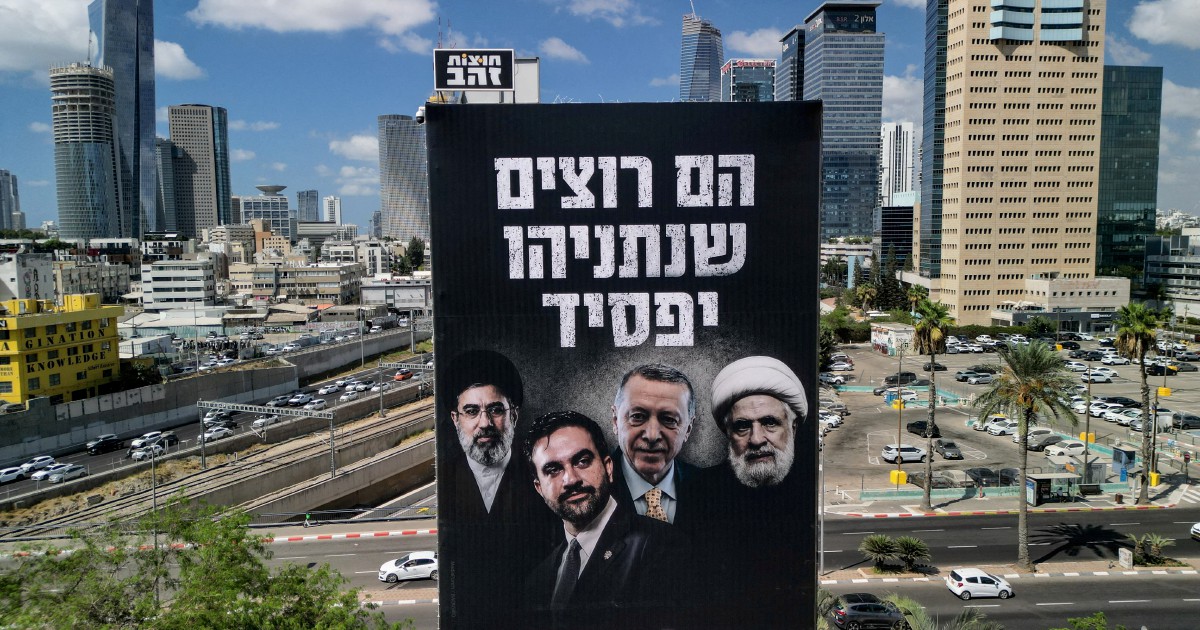
Benjamin Netanyahu's Likud party concluded its candidate selection process on Monday, formally determining who will represent the movement in Israel's October 27 general election. The vote among party members came at a moment of considerable political uncertainty, with the right-wing party bracing for what analysts expect to be a closely contested national campaign that could reshape the country's political landscape.
The timing of Likud's internal selection reflects the broader pressures confronting Netanyahu as he navigates a complex domestic and international environment. Once considered virtually unassailable in Israeli politics, the Prime Minister now faces substantial challenges to his political dominance. The upcoming election represents a critical juncture where his grip on power cannot be taken for granted, a departure from earlier elections when Likud's victory margins appeared more assured.
Israel's electoral system, which emphasizes proportional representation and coalition-building, means that Likud's candidate list carries significant weight in determining which individuals will shape government policy. The party's selection of candidates therefore signals strategic priorities and suggests which constituencies Netanyahu believes are most crucial to securing electoral victory. The composition of the candidate slate often reveals internal party dynamics and ideological balances within the broader right-wing coalition.
For Malaysian observers watching Israeli politics, the phenomenon of a dominant leader facing unexpected electoral vulnerability carries particular relevance. Regional politics frequently witnesses established figures confronting newly energized opposition or shifting voter sentiment. The mechanics of how political parties reorganize during moments of weakness—through candidate selection, messaging adjustments, and coalition recalibration—demonstrate universal patterns in democratic competition that transcend national borders.
Likud's internal voting process itself demonstrates the extent to which Israeli political parties maintain relatively democratic mechanisms despite their hierarchical structures. Unlike systems where party leadership unilaterally determines candidates, Likud's member balloting allows grassroots influence over who will represent the party in Parliament. This process can occasionally produce unexpected outcomes when rank-and-file members prioritize different considerations than senior leadership.
The weakening of Netanyahu's political position reflects multiple convergent factors. International complications, domestic policy disagreements within his coalition, and voter fatigue after prolonged political turbulence have all contributed to the more precarious electoral environment. Previous elections saw Likud achieve commanding results, but recent polling suggests a more fragmented political landscape where no single party commands decisive advantage.
The October 27 election will determine not merely which party holds the most seats, but also which coalitions can form functioning majorities in the Israeli Parliament. This reality means that even parties falling somewhat behind in seat counts can exercise disproportionate influence during coalition negotiations. For Likud, maintaining sufficient candidate depth and quality becomes essential for preserving bargaining power regardless of the precise final vote tallies.
Other Israeli political movements are simultaneously conducting their own candidate selection processes, creating a parallel dynamic across the political spectrum. Right-wing nationalist parties, centrist formations, and left-wing movements all advance their own candidates while public opinion remains fluid and malleable. This broader competitive environment adds pressure to Likud's preparation efforts, as the party must position itself effectively against multiple political directions simultaneously.
The candidate selection process also carries symbolic importance within Likud's internal organization. Longstanding party members may compete intensely for favorable list positions, knowing that higher placement virtually guarantees parliamentary seats while lower positions carry greater electoral risk. These internal contests often reflect ideological differences, generational dynamics, and personal rivalries that will continue to influence the party's functioning throughout any subsequent government formation period.
For international observers, including those in Southeast Asia monitoring Middle Eastern developments, Likud's current vulnerability underscores how even politically dominant figures can encounter unexpected constraints. Regional stability often depends upon understanding that apparently entrenched leaders may face genuine uncertainty during electoral contests. The Israeli example demonstrates that political systems with meaningful competitive mechanisms can produce surprising outcomes despite appearances of established dominance.
The weeks preceding the October 27 election will likely see intensified campaigning from Likud and its competitors as voter preferences potentially continue shifting. The party's newly selected candidates will become the public face of Netanyahu's re-election bid, tasked with articulating Likud's vision while confronting opposition arguments about governance and accountability. How effectively these candidates communicate their message will substantially influence whether Likud can stabilize its political position.
As Israel approaches this electoral contest, the fundamental question of whether Netanyahu can overcome current political headwinds to secure another term in office remains genuinely uncertain. The Likud candidate selection, while procedurally routine, therefore acquires heightened significance within a context where the party's ability to retain power faces genuine challenge. The coming weeks will test whether the party's organizational strength and Netanyahu's political skills can overcome the challenging circumstances that have defined recent Israeli politics.

