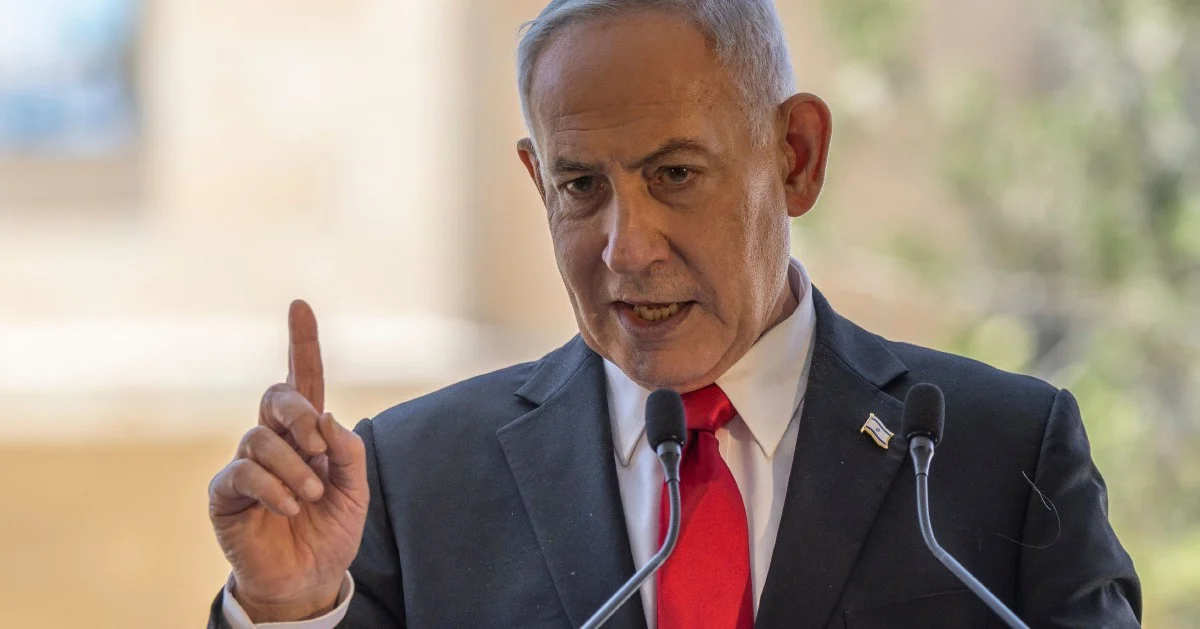
Israeli Prime Minister Benjamin Netanyahu's government is moving with unusual urgency to advance a slate of contentious legislative measures before the country's parliament dissolves within days, setting the stage for national elections expected in roughly four months. The accelerated legislative push has triggered sharp denunciations from opposition parties and civil society groups, who view the timing as an attempt to cement controversial policies before voters get their say on the direction of the country.
The rush to legislate during a transitional period reflects the peculiarities of Israeli parliamentary procedure, where governments can continue operating in caretaker capacity after dissolution but face constraints on introducing major new policies. By advancing bills now, Netanyahu's administration seeks to lock in changes that might otherwise require renegotiation after new elections determine the composition of the next Knesset. This strategy underscores the high political stakes surrounding several of the proposed measures, which appear designed to appeal to the coalition's right-wing base while the government still commands a working majority.
For regional observers and Southeast Asian analysts tracking Israeli politics, Netanyahu's legislative sprint offers insights into how democratic systems respond to transitional periods and power consolidation. In Malaysia and other developing democracies, similar dynamics emerge during election cycles, where outgoing governments attempt to entrench policy positions before electoral verdicts are rendered. The comparative dimension becomes relevant when examining how parliamentary systems balance continuity with democratic accountability during leadership transitions.
The specific bills under consideration span sensitive areas of Israeli governance, though their precise contents and implications remain central to the political controversy. Opposition figures have characterized the initiatives as attempts to reshape fundamental aspects of Israeli law and governance without adequate public consultation or electoral mandate. They argue that such significant changes warrant input from newly elected representatives rather than implementation during a period of legislative diminishment, when a caretaker government technically operates under restrictions.
Netanyahu's coalition partners, conversely, defend the legislative agenda as routine parliamentary business and deny that the timing represents any irregularity. They contend that delaying necessary legislation simply because elections are approaching would represent unwarranted obstruction of legitimate governance. This fundamental disagreement about the propriety of the legislative push reflects deeper divisions within Israeli society about constitutional principles, the balance between executive and legislative authority, and appropriate conduct during electoral transitions.
The political context surrounding these bills extends beyond procedural disputes. Netanyahu faces his own electoral uncertainties, with polling suggesting a competitive race ahead. By advancing legislation favored by his coalition partners now, he reinforces commitments to key constituencies whose continued support may prove essential in coalition negotiations after elections. The bills thus function simultaneously as policy initiatives and political messaging to his base and potential allies.
International observers, including those in Southeast Asia with stakes in Middle Eastern stability, view the Israeli legislative push with concern about its potential impact on regional dynamics. Some proposed measures may have indirect implications for Palestinian governance, security arrangements, or international relations, domains where Israeli domestic politics intersect with broader regional interests. How these bills ultimately affect Israeli-Palestinian relations and broader Middle Eastern geopolitics remains uncertain but warrants careful monitoring by countries with regional interests.
The dissolution of parliament and subsequent elections represent a moment of political recalibration for Israel. Voters will evaluate Netanyahu's government's record and competing visions for the country's future. The legislative measures advanced during this final pre-election period may well become campaign issues, with opposition parties highlighting them as examples of governing overreach while coalition members present them as necessary national priorities. This dynamic parallels electoral campaigns globally, where outgoing governments' final actions shape public discourse around continuity and change.
For Netanyahu specifically, the legislative initiatives reflect an attempt to shape the post-election landscape regardless of electoral outcomes. Should his coalition lose seats or governing capacity, the entrenched legislation sets parameters for successor governments. Should he retain power, the bills advance his preferred policy direction. Either way, the measures represent an effort to bind the hands of future decision-makers and consolidate current governmental achievements before voters fundamentally alter the political equation.
The controversy surrounding these bills illuminates broader questions about democratic governance during transitional periods. How much latitude should caretaker governments enjoy? What constitutes appropriate legislative behavior when elections approach? How should parliaments balance continuity with the principle that electoral verdicts ought to shape major policy directions? Israeli democracy, like others, grapples with these questions in practice, not merely in theory. The answers emerging from this moment will influence how future Israeli governments approach similar situations and may offer lessons for other democracies navigating comparable constitutional and political terrain during periods of leadership transition and electoral uncertainty.

