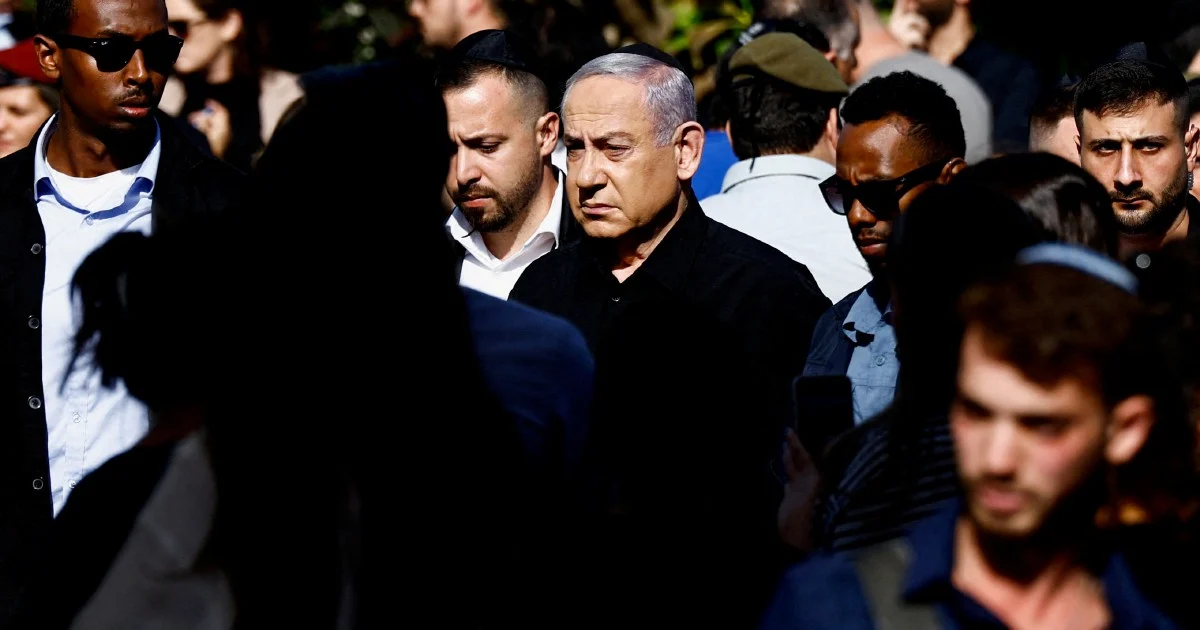
Israeli Prime Minister Benjamin Netanyahu has completed his testimony in ongoing corruption trials, the justice ministry confirmed on Wednesday, bringing a significant milestone in the legal proceedings that have shadowed his government. The conclusion of Netanyahu's courtroom testimony represents a pivotal moment in trials that have persisted for years, testing the boundaries between judicial independence and executive authority in Israel's democratic system.
The timing of Netanyahu's testimony completion arrives at a particularly complex moment for Israeli politics and foreign policy. The Prime Minister must now balance the demands of his trial defence with pressing national security concerns, particularly regarding developments in the Middle East that his administration views with considerable alarm. This dual preoccupation—legal vulnerability at home and strategic challenges abroad—illustrates the extraordinary pressures facing Israel's political leadership.
Netanyahu's testimony addressed charges related to his alleged involvement in bribery, fraud, and breach of trust across three separate cases. The former broadcaster and his defence team have consistently maintained his innocence throughout the proceedings. By completing his courtroom appearances, Netanyahu removes one significant component of the trial process, though the judicial proceedings themselves will continue as the court evaluates evidence and hears arguments from prosecutors and defence counsel.
The corruption trials have occupied Netanyahu's attention since early 2020, when charges were formally filed against him—making Israel the first country to put an incumbent prime minister on trial for criminal charges. The indictment has remained politically contentious, with Netanyahu's supporters arguing that the prosecution represents a politicised legal establishment, while critics contend that no leader should be exempt from judicial scrutiny regardless of their position.
Meanwhile, developments in international diplomacy have compounded the pressures on Netanyahu's administration. Negotiations between the United States and Iran have proceeded despite Israeli objections, with Israeli policymakers interpreting potential nuclear agreements as inadequately addressing their security concerns. The prospect of a nuclear deal that Israel perceives as insufficiently restrictive toward Tehran represents what many in Netanyahu's government view as a strategic setback that undermines Israeli deterrence capabilities in the region.
For Malaysian observers and Southeast Asian readers, Netanyahu's predicament illustrates broader questions about the sustainability of personalised political authority when faced with simultaneous legal and geopolitical challenges. The situation parallels, though not identically, concerns in developing democracies about the intersection of elite accountability and national security claims. Israel's willingness to prosecute its sitting prime minister demonstrates institutional resilience, yet the concentration of political and legal drama around a single figure raises questions about governmental continuity and decision-making coherence during periods of external tension.
The Israeli legal system's independence has been demonstrated through its pursuit of the Netanyahu trials despite the defendant's elevated office. However, critics have raised concerns about whether an extended trial process ultimately strengthens or weakens democratic institutions when it consumes extensive judicial resources and diverts governmental attention from policy implementation. The resolution of Netanyahu's trials may take additional years, leaving Israeli politics suspended in a condition of prolonged uncertainty.
The correlation between Netanyahu's domestic legal troubles and his foreign policy assertiveness warrants careful analysis. Some observers suggest that embattled political leaders may adopt more aggressive external postures to consolidate domestic political support and distract from legal vulnerabilities. Others counter that Netanyahu's concerns about Iran represent genuine strategic assessments independent of his legal circumstances. The reality likely encompasses both dynamics operating simultaneously.
As Netanyahu's testimony concludes, Israeli courts will now evaluate the credibility and significance of his statements against other evidence presented during the proceedings. The justice ministry's confirmation that testimony has ended suggests the trial is advancing toward substantive judicial decision-making rather than remaining in the evidence-gathering phase. The court's ultimate verdict, whenever rendered, will carry profound implications not merely for Netanyahu's personal future but for Israeli governance and the precedent established regarding elite accountability.
For the regional context that concerns Malaysia and ASEAN nations, Netanyahu's legal entanglement and perceived vulnerability could influence Israeli decision-making in ways that affect Middle Eastern stability more broadly. A prime minister managing simultaneous trials and international diplomatic conflicts operates under constraints that may produce either caution or unpredictability. The completion of Netanyahu's testimony marks the end of one chapter in this complex saga but opens another where judicial deliberation and political consequences will continue unfolding in parallel.

