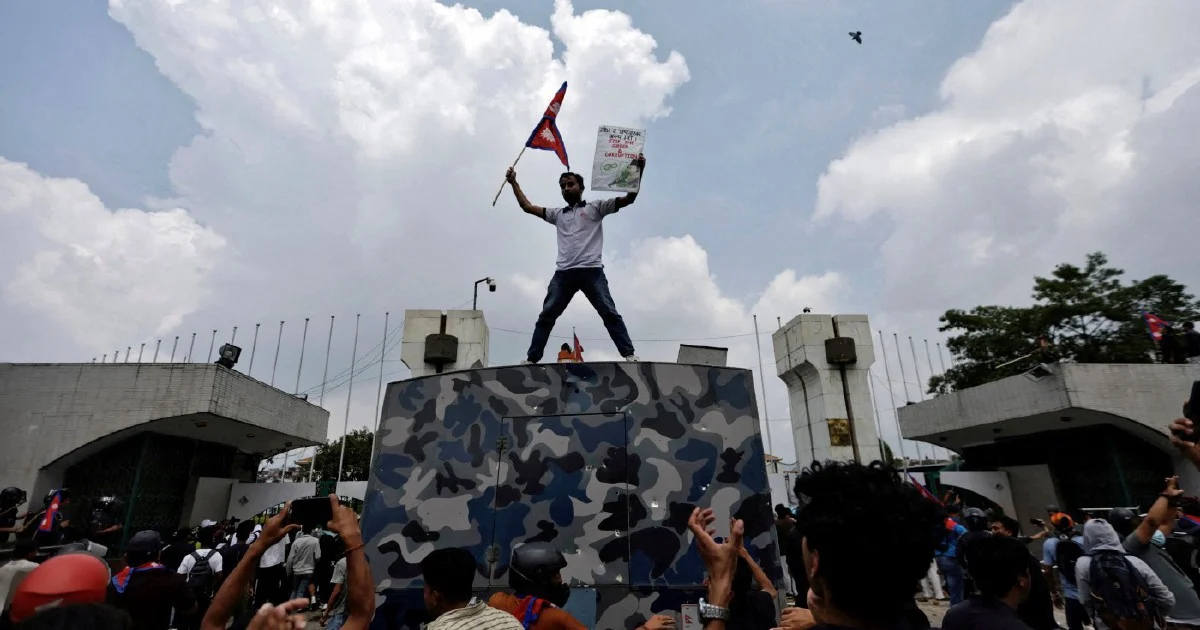
Nepal's former finance minister Bishnu Prasad Paudel was arrested late Monday evening on allegations of money laundering, according to statements from the Nepalese police. The arrest represents a significant moment in the country's ongoing efforts to investigate financial misconduct, coming as the current administration—notably backed by a younger generation of voters and political leaders—intensifies its scrutiny of former government officials. The timing and nature of the charges underscore broader governance concerns that have characterised Nepal's recent political landscape.
Paudel's detention comes within the context of a widening net cast by the present administration over alleged wrongdoing during earlier tenures. The incoming government, which draws considerable support from Gen Z voters and younger political figures, has made anti-corruption work a central pillar of its stated agenda. This crackdown reflects both an electoral mandate from younger Nepali citizens frustrated by historical patterns of graft and a deliberate strategy to distinguish the current leadership from its predecessors. The former finance minister's case is thus emblematic of how newer administrations leverage investigations to reshape political narratives and consolidate legitimacy.
Money laundering investigations in South Asia remain technically complex and politically contentious. Such cases typically involve allegations that illegally obtained funds—whether from bribery, embezzlement, or other criminal activity—were concealed through legitimate financial channels to obscure their origins. In Nepal's context, where the banking system remains susceptible to informal money flows and enforcement capacity has historically been uneven, such investigations demand rigorous documentation and international cooperation to secure prosecutions.
The arrest of a former finance minister carries particular symbolic weight in Nepal. That ministry oversees the government budget, taxation, and sovereign debt management—spheres where opportunities for malfeasance are substantial. If substantiated, allegations against someone in that office strike at the heart of public trust in economic stewardship and raise questions about how public resources were managed during his tenure. The implications extend beyond individual culpability to broader concerns about institutional integrity and the mechanisms available to prevent future violations.
Nepal's political ecosystem has been marked by frequent transitions in power and accusations of nepotism and financial impropriety levelled across party lines. Previous administrations have faced corruption allegations with varying degrees of investigation and prosecution. The present government's decision to actively pursue cases against senior figures from earlier regimes signals a potential departure from past patterns where such matters were often shelved or politicised. However, observers of South Asian governance note that selective prosecution can itself become a tool of political advantage, warranting scrutiny of whether investigations are conducted impartially and according to established legal standards.
For Malaysia and other Southeast Asian nations, Nepal's anti-corruption efforts carry instructive lessons. Corruption and money laundering remain regional challenges that individual countries struggle to combat in isolation. Cross-border financial flows, shell companies registered offshore, and the movement of illicit funds through multiple jurisdictions complicate enforcement. Nepal's case demonstrates the necessity for coordinated international action, transparent financial reporting, and institutional reforms that strengthen the independence of investigative and judicial bodies. Malaysian authorities and regional partners benefit from observing how Nepal's investigation unfolds and whether prosecutions result in convictions that withstand legal scrutiny.
The broader Gen Z political movement in Nepal reflects global patterns of younger citizens demanding accountability and institutional reform. This demographic's electoral influence has grown sufficiently to reshape political incentives, making anti-corruption campaigns more viable as voter concerns intensify. Nepal's experience suggests that youthful electorates across South Asia may increasingly pressure governments to pursue white-collar crime investigations, a shift with implications for regional governance and investor confidence. Jurisdictions perceived as tolerating financial misconduct at the highest levels face reputational damage and potential capital flight.
Institutional capacity for investigating financial crimes remains uneven across Nepal's justice system. While the arrest itself demonstrates willingness to move against high-profile figures, the success of any prosecution will depend on whether evidence meets evidentiary standards, whether due process protections are observed, and whether appeals courts affirm convictions. International observers and anticorruption organisations will scrutinise the case to assess whether Nepal is making genuine progress in holding elites accountable or whether investigations serve primarily as political theatre. Such assessments influence how development partners, private investors, and civil society organisations engage with the country.
The role of Nepal's police and investigating agencies in this arrest underscores the necessity for professional, impartial law enforcement. In South Asian contexts, police investigations can be compromised by political pressure, inadequate resources, or institutional weakness. Whether Nepalese investigators maintain investigative independence while building a compelling case against Paudel will significantly affect the credibility of anti-corruption efforts. International support for capacity building in financial crime investigation—through training, technology transfer, and knowledge-sharing with more experienced jurisdictions—could strengthen Nepal's institutional foundation for handling complex money laundering cases.
The arrest of Bishnu Prasad Paudel signals that Nepal's political landscape is shifting toward greater scrutiny of financial governance. If the investigation and prosecution proceed transparently, they may establish important precedents for holding senior officials accountable. Conversely, if the case becomes mired in politicisation or procedural irregularities, it risks undermining faith in institutional reform efforts. For regional observers including Malaysian policymakers and civil society groups concerned with governance standards, the outcome of this case will provide valuable evidence about whether South Asian countries can effectively prosecute white-collar crime or whether structural obstacles persist.

