The catastrophic flooding that struck Nepal's northern regions has claimed over 500 lives as international search and rescue teams pressed on with operations into their third consecutive day of efforts. The disaster, triggered by a sudden glacial collapse high in the Himalayan range, unleashed devastating torrents down the Bhote Koshi and Trishuli river systems on Wednesday morning, obliterating communities in its path and leaving hundreds still unaccounted for across multiple districts. The scale of the tragedy has necessitated a regional humanitarian response, drawing attention and concern from governments across South and Southeast Asia, particularly Malaysia, which has citizens caught in the affected areas.
As of Friday afternoon, the Malaysian government confirmed that two of the 57 nationals previously reported missing had been successfully located, though 55 others remained beyond reach of authorities. Datuk Syed Mohamad Hasrin Tengku Hussin, Deputy Secretary-General of the Foreign Ministry responsible for bilateral affairs, emphasised that these figures remained provisional and subject to revision as information from Nepalese authorities and coordinating agencies was continuously reviewed and cross-checked. The uncertainty surrounding the exact number of missing Malaysians reflects the chaotic conditions prevailing in the disaster zone, where communication networks remain damaged and access to remote areas difficult even for experienced search teams.
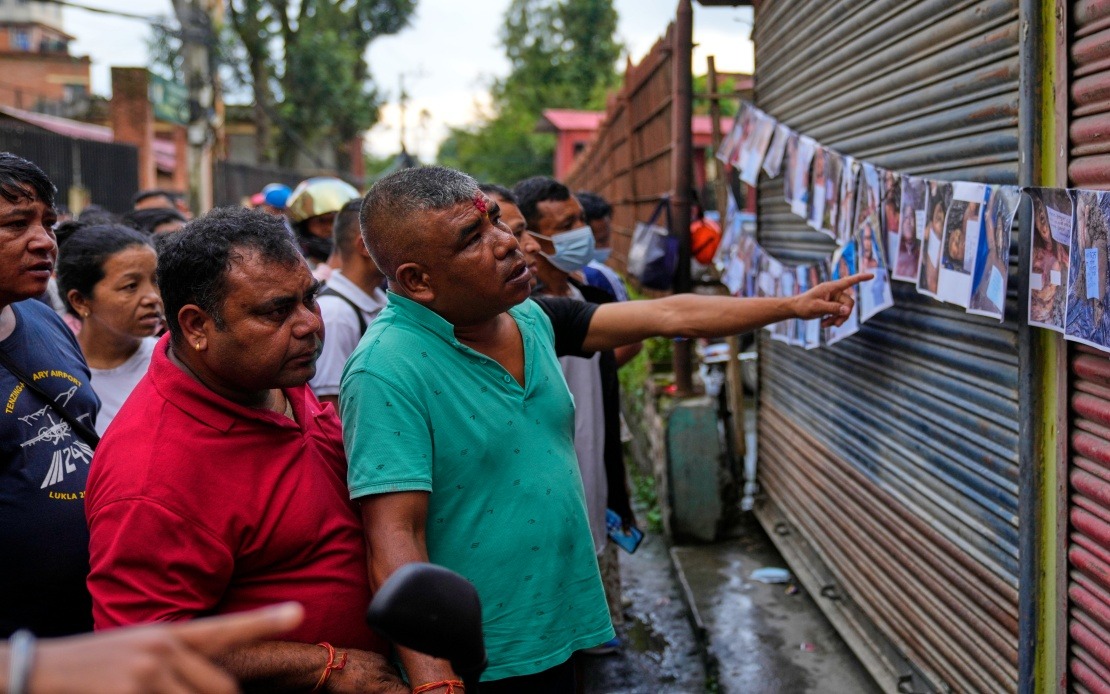
Nepal's Department of Tourism released an official roster on Thursday evening documenting 537 foreign nationals from over 30 countries reported missing in the immediate aftermath of the floods. The list, compiled by the ministry overseeing culture and tourism, included 51 Malaysians alongside nationals from numerous other countries, noting their names, ages, nationalities, and the travel companies facilitating their expeditions in the region. This systematic documentation effort, while providing crucial reference material for coordinating rescue operations, underscores the significant presence of foreign tourists and trekkers who were caught in the flooded Rasuwa district when the water surged with minimal warning.
The sheer force of the natural disaster has overwhelmed local infrastructure and services. To date, Nepalese authorities have managed to rescue 121 foreign nationals from the inundated zone, yet no Malaysians have been identified among those brought to safety. The rescue operations have focused on reaching stranded survivors in areas cut off by destroyed roads and bridges, with teams working against deteriorating conditions and the challenge of locating people scattered across a vast, mountainous terrain. The absence of Malaysian nationals among confirmed rescues has intensified anxiety among families in Malaysia awaiting news from the region.
The structural damage inflicted by the floods extends far beyond immediate casualties. The torrent devastated critical infrastructure including roads, bridges, and buildings along the river corridors, and debris continued flowing downstream into the Trishuli River system, sweeping away vehicles, livestock, and dwellings as it advanced. The destruction has effectively isolated several communities, hampering both rescue access and the delivery of emergency aid. Local reports indicate that the water carried enormous quantities of rock and debris from the glacial collapse, transforming the normal riverflow into a destructive force of extraordinary power that local residents had no capacity to resist.
Recovery operations have revealed a grim secondary challenge confronting Nepalese authorities. Bodies and human remains are being recovered across districts far downstream from the initial impact zone in Rasuwa, complicating identification efforts and straining the capacity of available morgue facilities. Several areas are struggling to accommodate the volume of deceased, creating a logistical crisis that extends beyond the immediate rescue phase. This bottleneck in victim identification has prevented some families from receiving confirmation of their loved ones' fates and has complicated the accounting of total casualties.
Malaysia's government has moved swiftly to coordinate assistance to Nepal in response to the crisis. The National Security Council maintains active dialogue with Nepalese officials to determine what forms of aid would prove most effective and welcome. Prime Minister Datuk Seri Anwar Ibrahim indicated that Malaysian assistance could encompass both financial contributions and the deployment of specialised rescue personnel. The possibility of deploying the Malaysian Special Search and Rescue Team (SMART) remains under consideration, pending agreement from the Nepalese government and assessment of the operational environment in the affected districts.
For Malaysian expatriates and tourists in Nepal, the disaster has exposed the vulnerability of foreign nationals to natural hazards in remote mountain regions. Nepal's tourism sector, heavily dependent on international visitors undertaking trekking expeditions and mountain tourism activities, attracts substantial numbers of Malaysians annually. The flooding has prompted broader questions about safety protocols, early warning systems, and the preparedness of tourism infrastructure to handle catastrophic natural events. While glacial collapses represent inherent risks in high-altitude mountainous terrain, the scale of this particular event and the apparent lack of evacuation time have raised concerns about disaster preparedness in the region.
The Foreign Ministry has maintained continuous efforts to verify the status and whereabouts of all Malaysians in the affected areas, working through multiple channels including liaison with the Nepalese government, local authorities, and travel agencies that organised tours in the region. These coordination mechanisms are essential given the communication difficulties and the dispersed nature of the disaster zone. As information gradually accumulates and rescue teams access previously unreachable areas, the status of missing individuals should become clearer, though the tragedy has already claimed a devastating human toll that will reshape how adventure tourism operators approach risk management in vulnerable environments.

