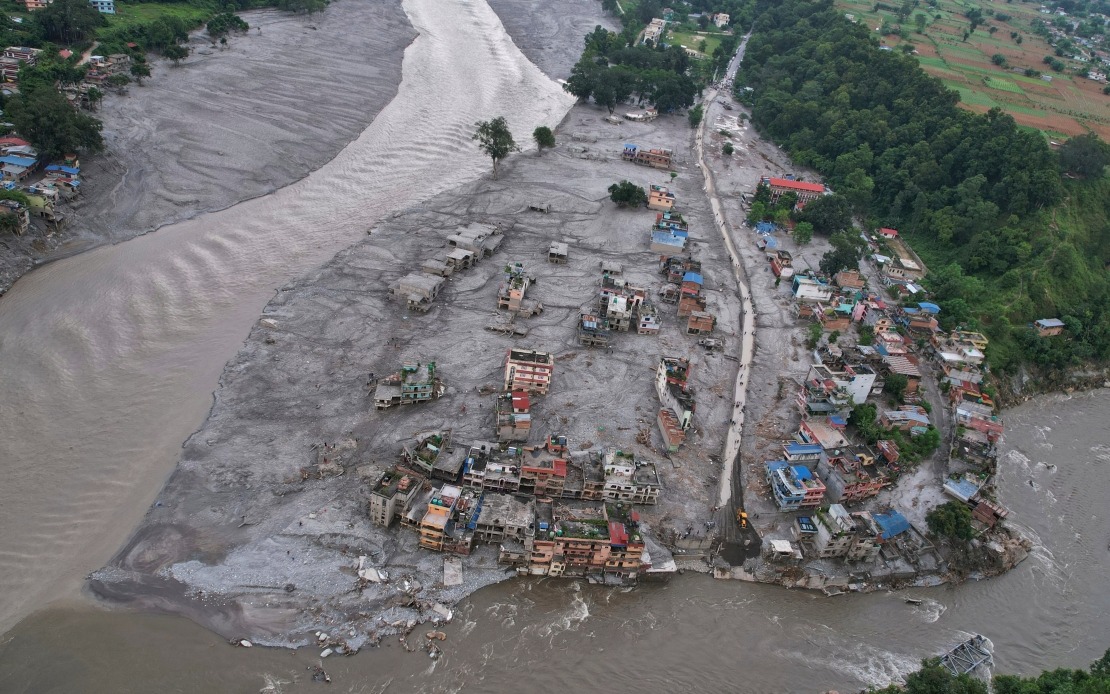
Nepal is proceeding cautiously in accepting international search and rescue assistance following the devastating floods that swept through its central and northern regions this week, according to officials coordinating the regional response. The country's authorities have not yet determined whether to expand the roster of foreign rescue teams currently operating within its borders, preferring instead to conduct a thorough damage assessment before committing to new international deployments. This measured approach reflects the complexity of coordinating multiple rescue efforts across terrain ravaged by the catastrophic flooding of the Bhote Koshi and Trishuli rivers on Wednesday morning.
So far, Nepal has formally accepted search and rescue operations from four nations: Australia, China, India, and South Korea. These countries were selected partly because they have substantial citizen populations working at the flood-affected hydropower installations scattered throughout the disaster zone. The Nepalese government's decision to limit acceptance of foreign teams to those nations reflects both the logistical challenges of managing a crisis of this magnitude and the political sensitivities involved in coordinating external assistance during national emergencies. The country's deliberate pace in evaluating additional offers stands in contrast to the urgency of the humanitarian situation unfolding on the ground.
Malaysia has positioned itself among the nations offering comprehensive disaster relief support, with Prime Minister Datuk Seri Anwar Ibrahim announcing that Malaysia is coordinating aid delivery to the affected nation and exploring the possibility of deploying the Malaysian Special Search and Rescue Team (SMART). This elite unit represents one of Southeast Asia's most capable rapid-response forces, trained for precisely the kind of complex rescue operations necessitated by the flooding's impact on underground facilities. The Malaysian government has signaled its readiness to mobilize these resources should Nepal determine that additional international teams would be beneficial to ongoing operations.
According to Mohd Firdaus Azman, the charge d'affaires of the Malaysian Embassy in Kathmandu, Nepalese officials communicated directly that they intend to assess the unfolding situation comprehensively before making decisions regarding SAR missions from additional countries. This communication, relayed to the national news agency on Saturday, underscores the importance Nepal is placing on understanding the full scope of the emergency before accepting further international deployments. The assessment period appears designed to identify gaps in current rescue capacity and determine whether additional teams would enhance rather than complicate ongoing operations.
The scale of the emergency underlying Nepal's cautious approach becomes evident when examining the situation at the nation's hydropower sector. More than 900 workers employed at eleven hydropower projects—many still under construction—were reported trapped in tunnels and underground powerhouses when the flooding occurred. These individuals represent a cross-section of the region's workforce, including citizens of multiple nations, adding an international dimension to what would otherwise be a domestic disaster. The rescue of these trapped workers has become a central priority for international teams already deployed, with confined space rescue representing one of the most technically demanding aspects of the overall response.
The human toll of the disaster has continued climbing as rescue operations proceed. Media reports from Saturday indicated that at least 633 people had perished across Nepal and China combined since the flooding commenced Wednesday morning, while nearly three thousand individuals remain unaccounted for—a figure that includes hundreds of foreign nationals stranded in the affected areas. This mounting casualty count underscores the severity of the flooding and the genuine urgency pressing upon decision-makers determining how to allocate available rescue resources most effectively. The loss of life already recorded suggests that many missing persons may not be recovered alive, adding tragic weight to every hour that passes in the rescue effort.
Malaysian nationals comprise a significant portion of the foreign citizens affected by the disaster. According to updates from Malaysia's Foreign Ministry provided through Saturday evening, fifty-five Malaysians located in Nepal and thirty-six others in China remained out of contact with their families and authorities. These individuals represent the country's diaspora in the region—workers, businesspeople, and others with ties to the flood zone and adjacent areas in China. The Malaysian government's activation of its embassy network and coordination of aid reflects not only humanitarian concern but also the practical necessity of accounting for and potentially assisting its own citizens caught in the disaster.
The decision by Nepal to accept assistance from Australia, China, India, and South Korea rather than immediately opening its doors to all offered help reflects a strategic approach to crisis management. Each of these four nations has particular expertise, geographic proximity advantages, or established working relationships with Nepalese institutions that make their involvement especially valuable. China shares a border with the affected regions and has citizens directly impacted; India maintains long-standing security and humanitarian cooperation with Nepal; Australia and South Korea both maintain highly trained SAR capabilities and have nationals working in the disaster zone. This selectivity appears designed to maximize operational efficiency while minimizing coordination challenges.
For Southeast Asian nations like Malaysia, the situation in Nepal carries implications extending beyond immediate humanitarian concerns. The flooding and its impact on critical infrastructure—particularly hydropower facilities that supply electricity across regional grids—demonstrates the vulnerability of the region's energy infrastructure to climate-driven disasters. Nepal's experience may serve as a cautionary example for other nations in South and Southeast Asia that depend heavily on hydropower generation and employ large workforces in challenging mountainous terrain. Malaysia's readiness to provide specialized rescue assistance through SMART reflects both regional solidarity and recognition that such disasters transcend national boundaries in their implications.
The coming days will prove crucial in determining whether Nepal determines that additional international rescue teams should be deployed. Officials in Kathmandu appear to be gathering comprehensive information about the current rescue capacity being provided by the four already-accepted nations, identifying specific gaps or areas where additional expertise might prove invaluable. Should Nepal determine that Malaysia's SMART team or other international assets would enhance rescue operations, the coordination logistics would swing into motion rapidly. The current assessment period, though perhaps frustrating to nations eager to assist, represents a rational approach to ensuring that international aid amplifies rather than complicates the response to this unprecedented regional disaster.

