Negeri Semibilan's PKR chapter has formally presented a roster of prospective candidates for the 16 constituencies it will contest in the forthcoming state election, sending the names to the party's national decision-makers for vetting and approval. The move represents a significant milestone in the political calendar for the state, as Pakatan Harapan prepares to face voters in what will be a closely watched race in one of Malaysia's historically competitive electoral battlegrounds.
According to Datuk Seri Aminuddin Harun, the state PKR chairman and current Menteri Besar, each of the 16 contested seats will have between three and five candidates under consideration. This approach ensures the central leadership has flexibility in final selections while reflecting diverse demographics within the party's support base. The roster deliberately encompasses women candidates, younger politicians seeking to enter the state assembly, and seasoned campaigners with proven electoral track records.
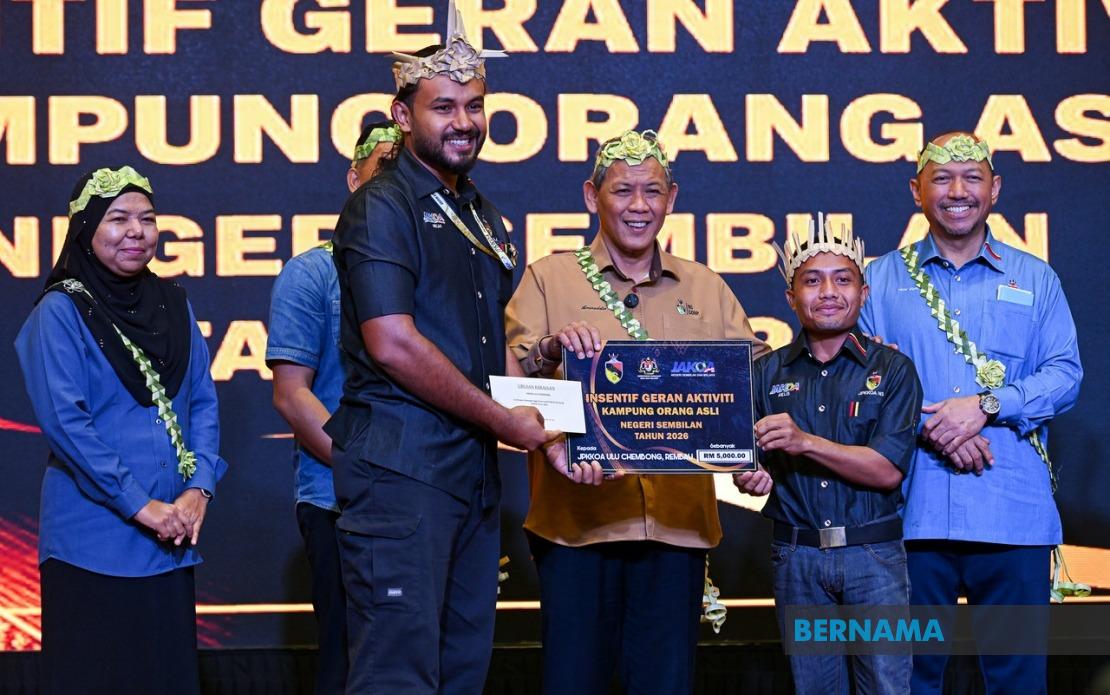
Aminuddin, speaking after the announcement of an Orang Asli community development grant, emphasised the collaborative nature of coalition politics in Negeri Semibilan. He expressed confidence that DAP and Amanah, the other two components of Pakatan Harapan in the state, have similarly submitted their candidate lists to their respective central leaderships. This synchronised process, while standard across coalition partners, underscores the coordination required to field a unified slate across 36 state assembly seats.
The seat allocation agreed upon earlier reflects the relative strength and negotiating position of each coalition component. PKR contests 16 seats, DAP contests 11, and Amanah contests the remaining nine. This distribution sets the stage for a comprehensive campaign across Negeri Semibilan's urban and rural constituencies, with each party focusing on areas where it believes it can mobilise its voter base most effectively.
The election timeline has been firmly set by the Election Commission. Nomination day falls on July 18, providing parties with roughly two weeks to finalise their candidate selections and prepare submission documents. Early voting is scheduled for July 28, catering to essential workers, the elderly, and others who cannot vote on polling day. The main election will take place on August 1, marking the culmination of what is expected to be an intensive campaign season throughout the state.
For Malaysian political observers, Negeri Semibilan represents particularly significant terrain. The state has historically demonstrated swing voting patterns, with constituencies shifting between Barisan Nasional and Pakatan Harapan in recent electoral cycles. This volatility means that candidate selection becomes more than a procedural exercise—it becomes a strategic calculation about which individuals can credibly contest local issues and command community trust. The inclusion of women and younger candidates may appeal to demographic segments that have shown fluctuating loyalty across recent elections.
The state's electoral dynamics carry implications beyond its borders. Negeri Semibilan's performance in this election could serve as a bellwether for broader sentiment within central Malaysia, a region that has become increasingly important to coalition politics at the national level. A strong Pakatan Harapan showing would reinforce the coalition's credentials ahead of potential federal-level political developments, while disappointing results could prompt questions about the coalition's electoral machinery and messaging strategy.
The coordination process between PKR, DAP, and Amanah will extend beyond candidate nomination to encompass campaign activities, messaging alignment, and resource allocation. Aminuddin indicated that a suitable date for the official public announcement of candidates would be coordinated among the three parties. This suggests ongoing negotiations to ensure that candidate profiles and announcements maximise the coalition's political impact and create positive momentum heading into the campaign proper.
For Negeri Semibilan residents, the candidate selection process carries tangible consequences. The individuals ultimately chosen will represent their constituencies in the state assembly over the next five years, assuming they win their seats. The quality and credibility of candidates therefore directly affects governance outcomes, constituent service, and the state government's capacity to address pressing local issues ranging from infrastructure development to healthcare provision to economic opportunity creation.
The inclusion of multiple candidates per seat in the internal vetting process reflects contemporary political practice across Malaysian coalition partners. This approach theoretically prevents any single candidate from taking a position for granted and encourages intra-party competition that can generate stronger campaigning and better candidate quality. However, it also creates potential for internal friction if aspirants perceive the selection process as inequitable or opaque.
Regionally, observers from other Southeast Asian democracies often study Malaysian elections as case studies in coalition politics and electoral competition within a federal system. Negeri Semibilan's election will provide fresh data on how coalition partners balance unity with autonomy, how candidate diversity influences electoral outcomes, and how voters respond to incumbency when economic pressures persist across the region. The results could inform discussions about electoral strategy in other jurisdictions navigating similar multi-party coalition scenarios.
As the campaign period approaches, all three coalition partners face the challenge of ensuring that their selected candidates can articulate a compelling vision for Negeri Semibilan's future. Whether PKR's 16 representatives, DAP's 11, and Amanah's nine can collectively message a consistent platform while also addressing the specific interests of their respective constituencies will prove crucial to Pakatan Harapan's overall performance on August 1.

