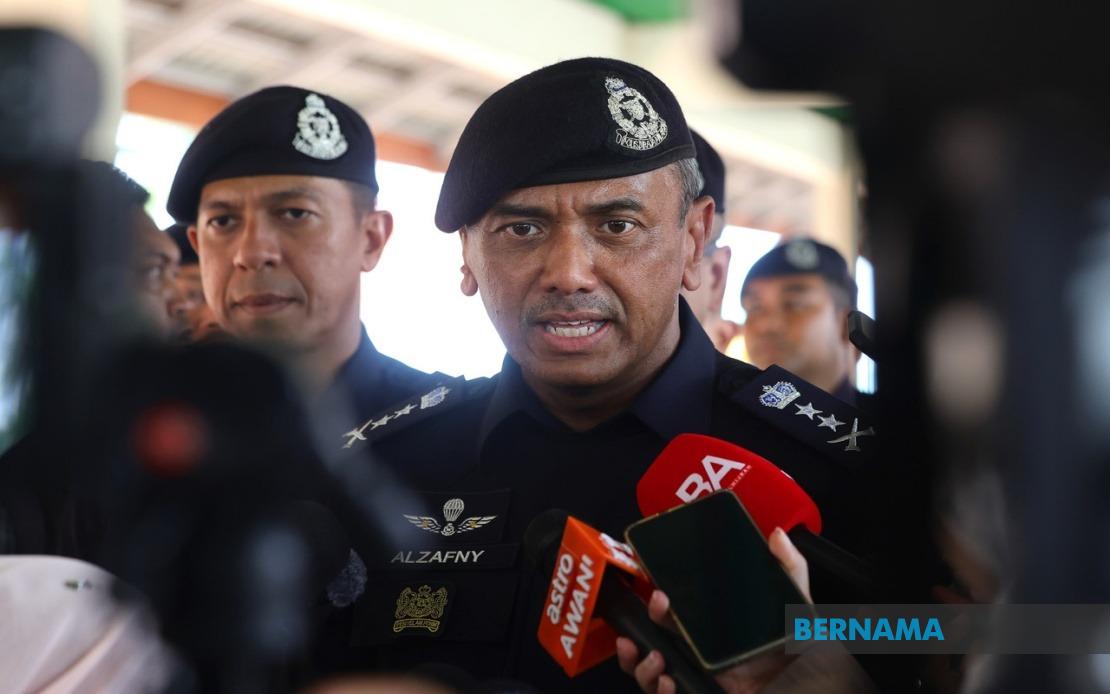
The nomination phase for Negeri Sembilan's 16th state election unfolded without disruption on July 18, according to law enforcement officials who supervised the event across eight designated nomination centres throughout the state. State police chief Datuk Alzafny Ahmad confirmed that supporters representing all participating political parties adhered strictly to police directives, enabling authorities to maintain full control of the proceedings from morning through noon.
Turnout figures varied considerably across the different nomination centres, reflecting varying levels of enthusiasm and organisational capacity among contesting parties in different constituencies. Jempol emerged as the clear focal point of activity, attracting approximately 2,500 party supporters who converged on the centre to witness or participate in nominations, while Kuala Pilah recorded the lowest attendance with roughly 1,000 supporters present. The remaining six nomination centres registered figures falling between these two extremes, with most facilities accommodating between 1,000 and 2,500 participants each.
The successful administration of the nomination process required substantial police resources deployed strategically across the state. Alzafny disclosed that 2,373 police officers and support personnel had been stationed at all eight nomination centres to fulfil dual roles—ensuring public security whilst managing traffic flow around each venue. This deployment level underscores the significance that electoral authorities and law enforcement place on maintaining order during the early formal stages of state elections, where large gatherings of politically motivated supporters create potential flashpoints for disorder if inadequately managed.
Beyond securing the physical spaces during nominations, police leadership has issued comprehensive guidance to candidates preparing for the campaign phase that will culminate in polling day on August 1. Datuk Alzafny specifically cautioned contesting parties and individual candidates to exercise restraint when discussing public policy matters, with particular emphasis on avoiding rhetoric touching the three sensitive areas commonly described as the 3Rs—religion, royalty and race. These domains carry special constitutional protections in Malaysia and remain historically contentious in electoral discourse.
The police chief's advisory extended beyond prohibitive guidance to include positive recommendations for productive campaigning. He encouraged candidates to concentrate their messaging on articulating the distinctive strengths, policy proposals and operational capabilities that differentiate their respective parties, rather than deploying divisive rhetoric or personal attacks. The underlying rationale reflects law enforcement's institutional interest in preventing campaign discourse from deteriorating into inflammatory speech capable of polarising communities along ethnic or religious lines—a concern particularly acute in a diverse state like Negeri Sembilan with significant Chinese and Indian populations alongside its Malay-Muslim majority.
Statements that could incite public anxiety or deliberately provoke particular groups represent another category of prohibited campaigning conduct that police have placed under active monitoring. Allegations of slander or deliberate incitement constitute potential criminal violations under Malaysia's election laws and related legislation addressing sedition and communal harmony, and police emphasised that such infractions would not be tolerated during the campaign period. The warning signals police determination to prevent candidates from crossing legal and ethical boundaries regardless of electoral competitiveness.
Officials have also reminded candidates of seemingly mundane but legally mandated compliance requirements that nevertheless carry significance for public safety. One such requirement specifically mandates that campaigners operating motorcycles whilst travelling through residential areas and village districts must wear appropriate safety helmets. This stipulation, though addressing personal safety rather than electoral integrity, reflects broader governmental commitments to traffic safety that persist even during politically charged periods.
To ensure consistent monitoring and enforcement of election regulations throughout the campaign phase, police have partnered with the Election Commission to establish dedicated oversight teams. These specialised units will operate across Negeri Sembilan with responsibility for verifying compliance with all applicable directives and regulations governing candidate and party behaviour during the campaign period leading up to voting day. The collaborative structure between law enforcement and the independent electoral authority demonstrates institutional coordination designed to maintain democratic standards.
The Negeri Sembilan election schedule provides candidates with slightly more than two weeks between conclusion of nominations and polling day to conduct their campaigns. Early voting has been scheduled for July 28, enabling eligible citizens unable to vote on the main election day to exercise their franchise in advance. The Election Commission's selection of August 1 for polling day provides the statutory timeframe between nomination closure and balloting required under Malaysian electoral law, allowing electoral administrators adequate time to prepare voting infrastructure and conduct final administrative preparations.
The peaceful progression of the nomination phase carries implications extending beyond Negeri Sembilan's boundaries. As one of Malaysia's smaller states by population and economic significance, electoral developments there often provide early indicators of broader patterns affecting the national political landscape. The orderly nomination process and cooperative stance of supporters from various parties suggests that while political competition remains intense, participants are observing fundamental democratic protocols and respecting law enforcement authority—factors that bode reasonably well for maintaining electoral peace during the campaign and voting phases ahead.

