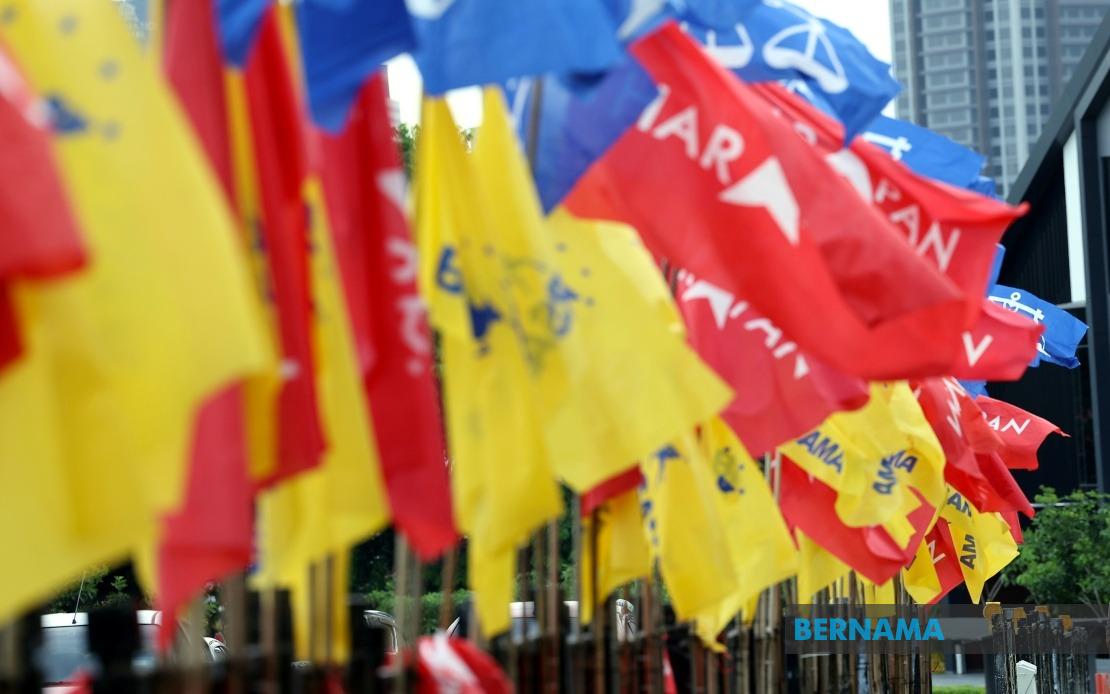
The Negeri Sembilan police force has granted approval for 19 applications to hold ceramah (political discourse sessions) and associated campaign activities leading up to the 16th Negeri Sembilan State Election, signalling that political parties can proceed with their scheduled engagement programmes across the state. Datuk Alzafny Ahmad, the state's police chief, confirmed that each of the permit applications met all mandatory regulatory requirements before being processed for approval, underscoring the administrative readiness of election management systems in the state.
The approval represents a routine but significant aspect of election administration in Malaysia's constitutional framework. Electoral candidates and political organisations must navigate a formal permitting process that balances citizens' rights to political expression with legitimate public order concerns. The streamlined approval of nearly two dozen events suggests that organisers have generally adhered to procedural guidelines and that the police machinery for processing such applications remains functional and responsive.
Datuk Alzafny emphasised that despite granting these permits, the Negeri Sembilan police will maintain active monitoring throughout the campaign period and the election itself. This dual approach—facilitating legitimate political activity while preserving oversight—reflects the standard practice in Malaysian elections, where law enforcement agencies seek to create space for democratic participation without compromising public safety or electoral integrity. The police commitment to sustained vigilance aims to prevent any escalation from political competition into disorder or violence.
The crime and incident picture during this early phase of the campaign has remained reassuringly benign. To date, police have received only one report classified as potentially related to election matters, and no formal investigation papers addressing electoral offences have yet been initiated. This low incidence of reported violations suggests that either political actors have maintained discipline and restraint, or that public grievances remain minimal, though the early stage of campaigning may mean that pressures have not yet fully intensified.
Datuk Alzafny reiterated that any breaches of electoral law or public order regulations would face prompt and uncompromising enforcement. The police framed their approach as balanced—firm in addressing violations, fair in their application, and founded on institutional integrity—while signalling that no exemptions or preferential treatment would be extended regardless of the political standing of the offending party or individual. This messaging aims to establish public confidence that the election process enjoys impartial police support.
The broader security environment across Negeri Sembilan has remained stable and within acceptable parameters, according to the police assessment. General public order has not deteriorated, and the situation appears neither tense nor volatile at this stage. Such characterisations matter politically because they influence voter confidence and affect campaign dynamics; elections conducted amid perceptions of instability or disorder can dampen participation and generate anxiety about the democratic process itself.
The police encouraged citizens to actively cooperate with law enforcement efforts, respect the democratic process, and observe legal requirements throughout the election period. This public messaging seeks to mobilise community responsibility for election integrity rather than relying solely on police action. In Malaysian electoral culture, appeals to citizen conduct and voluntary compliance form an integral part of the official communication strategy during poll campaigns.
Negeri Sembilan's legislative assembly, which holds 36 seats, was dissolved on June 5, setting the election timeline in motion. The Election Commission subsequently scheduled early voting for July 28 and the main polling day for August 1, creating a compressed campaign window that places practical demands on political organisations, police, and election administration bodies. The compression also influences the intensity and pace of campaign activities, with organisations forced to concentrate their engagement efforts within a shorter timeframe than typical state elections might allow.
This election holds particular significance within Malaysia's broader political landscape. Negeri Sembilan has traditionally been a competitive state where results have reflected shifts in voter sentiment, and the outcome here often carries implications for political momentum and coalition positioning at the national level. The police focus on maintaining order and permitting political expression reflects recognition that elections in strategic states warrant sustained operational attention and institutional credibility.
For Malaysian observers and regional analysts tracking electoral administration standards in the country, the Negeri Sembilan police performance during this campaign period will offer insights into how institutional structures handle campaign management during a politically active season. The balance between facilitation of political rights and maintenance of order remains a central challenge for Malaysian election authorities, and the operational choices made during this state election will likely inform approaches to future electoral contests, whether at state or federal level.

