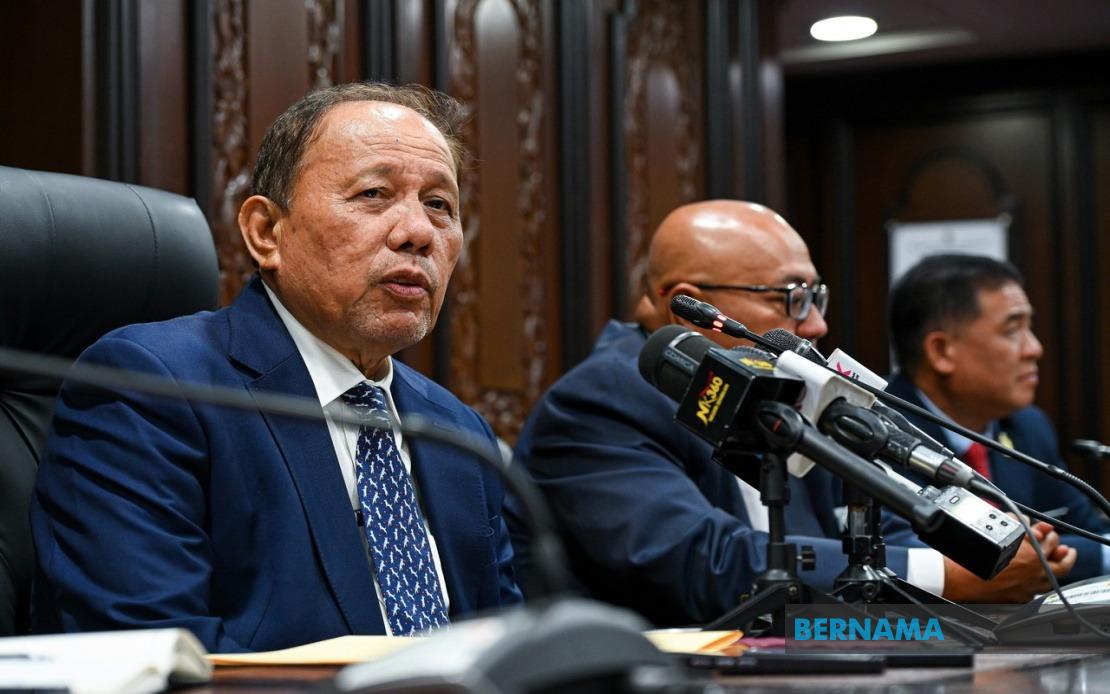
Negeri Sembilan will maintain a freeze on residential assessment tax rates for the next five years, the state government announced on August 10, marking a significant relief measure for homeowners across the state. Menteri Besar Datuk Ismail Lasim disclosed the decision following the inaugural State Executive Council meeting, describing it as part of the administration's broader commitment to alleviating financial burdens on residents during an uncertain economic period. The freeze represents a reversal of earlier plans that had seen local authorities preparing to implement tax increases scheduled for either January or July, effectively shelving what would have been the first hike in years.
The decision carries particular weight in the context of Malaysia's current cost-of-living pressures, where many households are grappling with rising utilities, food costs, and housing expenses. By committing to maintain existing assessment tax levels without increase through 2029, the Negeri Sembilan administration is addressing one of the few controllable fiscal burdens within state jurisdiction. Assessment tax, collected by local authorities and used for municipal services and infrastructure maintenance, represents a direct claim on household budgets across residential areas. The five-year moratorium therefore provides certainty and predictability for property owners and renters alike, removing the uncertainty that would have accompanied periodic increases.
Ismail framed the freeze as fulfilling a campaign pledge made during the recent 16th Negeri Sembilan State Election, positioning cost-of-living relief as a cornerstone of the Barisan Nasional administration's governance philosophy. This alignment between election manifesto and executive action underscores the government's effort to establish credibility early in its term. Such electoral promises around tax freezes and financial relief resonate particularly strongly in suburban and semi-urban areas of Negeri Sembilan, where residential properties form the primary asset base for middle-income families. The decision also reflects broader political acknowledgment across Malaysian state governments that visible, immediate relief measures matter more to voters than longer-term fiscal stability, particularly when public dissatisfaction with inflation and living costs remains high.
While the assessment tax itself remains in place, the freeze prevents local authorities from adjusting rates to account for inflation, rising service costs, or infrastructure wear and tear. This creates potential long-term pressures on municipal service delivery, as local authorities may struggle to fund road maintenance, drainage improvements, waste management, and emergency services without corresponding revenue adjustments. Over five years, the impact of inflation alone could reduce the real purchasing power of assessment tax collections by 15 to 20 percent, depending on inflation trajectories. However, the Negeri Sembilan government has not clarified how local authorities will manage this revenue constraint or whether the state government will provide compensatory funding from its own budget.
The broader implications for Negeri Sembilan's fiscal position remain ambiguous. The state government has not announced offsetting budget cuts or revenue-raising measures elsewhere, raising questions about whether the freeze will be absorbed through reduced capital spending, efficiency improvements, or state-level subsidies to municipalities. For comparison, other Malaysian states that have implemented assessment tax freezes have sometimes offset shortfalls through increased state development funds or reduced discretionary spending on non-essential projects. The sustainability of the Negeri Sembilan approach over five years will depend heavily on state revenue performance and the broader economic environment.
Ismail also outlined the First Special Session of the 16th State Legislative Assembly, scheduled for August 18, which will mark formal institutional commencement of the new administration. The session will include swearing-in ceremonies for all state assemblymen and the appointment of key legislative leadership positions. Notably, the Speaker will be chosen from outside the Legislative Assembly membership—a selection process that remains ongoing, with the government indicating that a candidate has been identified but no final decision announced. The Deputy Speaker position, by contrast, must be filled by a state assemblyman, with the government indicating that a preferred candidate will be announced within the following week.
These legislative procedures carry symbolic importance beyond administrative formality. The appointment of external candidates as Speaker reflects a political choice about whether to elevate an independent figure or select from within party ranks. External Speakers can sometimes provide perceived impartiality in legislative proceedings, though they also represent potential compromise candidates when broader consensus fails to coalesce around internal candidates. The upcoming announcement of the Deputy Speaker candidate will provide clearer signals about the administration's internal power dynamics and which assemblymen or factions carry strategic importance within the governing coalition.
Ismail's remarks to the Exco also emphasized operational unity and departmental alignment, instructing each portfolio holder to exercise leadership while ensuring their agencies remain coordinated with broader state government objectives. This language, while standard in inaugural statements, carries specific resonance in Negeri Sembilan given the complexity of balancing multiple coalition partners and interest groups within the state administration. The emphasis on "full dedication, integrity, professionalism and commitment" suggests management attention to potential internal discord, though such exhortations are routine when new administrations form.
For Malaysian residents and businesses, the practical impact of the assessment tax freeze remains primarily relevant to Negeri Sembilan property owners. The relief measure has less direct consequence for non-residential stakeholders, though business property owners do pay assessment tax on commercial premises. The five-year horizon also extends well beyond the typical medium-term political cycle, suggesting the government has calculated sufficient confidence in its political survival to make commitments extending to 2029. This confidence itself reflects the governing coalition's assessment of its electoral positioning and internal stability.
The timing of the announcement, arriving during the administration's first weeks, reflects a deliberate strategy of demonstrating rapid policy delivery on election commitments. Rather than delaying difficult decisions or building consensus gradually, the new government has moved swiftly to announce tangible relief measures. This approach minimizes implementation delay and captures political goodwill early, though it also locks the administration into five-year fiscal commitments before comprehensive budget reviews and economic assessments might be completed. Such early-action strategies carry political benefits but also technical risks, particularly if economic circumstances change dramatically during the freeze period.

