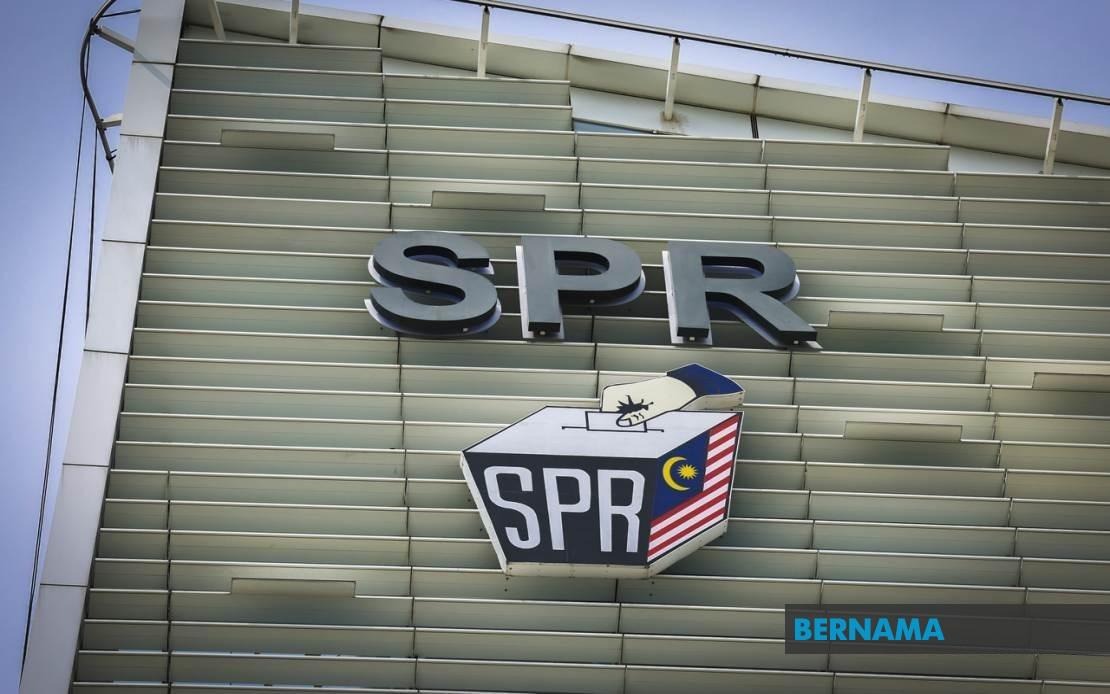
Negeri Sembilan's political landscape is about to transform dramatically as the 16th state election campaign officially kicks off tomorrow with nomination day, marking the formal start of a fortnight-long battle for control of the state assembly. Eight nomination centres scattered across the state will serve as the focal point as prospective candidates submit their credentials between 9 am and 10 am, with returning officers subsequently announcing the definitive roster of competitors approved to contest.
The Election Commission has earmarked August 1 as the date for voters to cast their ballots, with an earlier voting opportunity scheduled for July 28 to accommodate military and police personnel. This compressed timeline reflects the urgency surrounding the electoral process, which began when the Negeri Sembilan State Legislative Assembly was dissolved on June 5 following consent from Tuanku Muhriz Tuanku Munawir, the Yang Dipertuan Besar of Negeri Sembilan.
The electorate comprises nearly 890,000 registered voters spread across the state, a significant constituency that carries meaningful weight in Malaysian political calculations. The voter roll includes 867,151 ordinary citizens, alongside 16,884 military personnel and their spouses, plus 5,455 police officers and their dependents, creating a diverse demographic composition that political parties must navigate strategically.
Pakatan Harapan has signalled its intention to contest comprehensively, fielding candidates in every single one of the 36 seats. The coalition's internal distribution allocates 16 candidates from PKR, 11 from DAP, and nine from Amanah, reflecting established power-sharing arrangements within the alliance and their determination to maintain the advantage gained in the 2023 state election when they secured 17 seats.
Barisan Nasional has adopted a more selective approach, committing to contest 25 seats with contributions of 16 candidates from UMNO, seven from MCA, and two from MIC. This strategy suggests a calculated focus on constituencies deemed winnable, rather than pursuing a blanket campaign across all available positions. The move represents continuity with BN's 2023 performance, when the coalition captured 14 seats despite controlling the federal government.
Perikatan Nasional's participation structure illustrates the coalition's internal complexity and recent organisational shifts. The alliance intends to contest 11 seats through contributions from PAS with five candidates, Gerakan with one, the Malaysian Indian People's Party with one additional candidate, and Parti Wawasan Negara with four seats. Notably, Wawasan Negara's participation represents its inaugural electoral contest at the state level, signifying PN's efforts to expand its coalition breadth. However, Bersatu, another PN component, has opted to contest independently using its own party logo, adding an unpredictable element to the alliance's overall performance prospects.
Fringe and smaller parties are also participating in the democratic exercise. The Parti Orang Asli Malaysia and Parti Sosialis Malaysia each plan to field single candidates, while Parti Barisan Jemaah Islamiah Se-Malaysia anticipates fielding seven candidates. Conversely, the Malaysian United Democratic Alliance, Parti Pejuang Tanah Air, and Parti Bersama Malaysia have collectively decided to abstain from contesting, potentially consolidating voter choice within a narrower political spectrum.
The Election Commission has issued practical guidance to candidates preparing for the nomination process, emphasising the importance of advance verification of nomination papers at the Returning Officer's Office or State Election Office to prevent procedural complications. Additionally, the commission encourages candidates to settle their election deposits ahead of submission to streamline the nomination proceedings and reduce delays during the concentrated submission window.
Weather conditions may influence campaigning dynamics during the critical opening weekend. The Malaysian Meteorological Department has forecast generally fair conditions across most state areas on Saturday morning, though Port Dickson and Seremban districts can expect rainfall. Afternoon thunderstorms are anticipated throughout the state, potentially affecting the immediate campaign commencement despite these transient weather challenges.
The competitive context is shaped by previous electoral outcomes that established a fragmented state assembly composition. In 2023, PH's 17-seat victory gave the coalition a slim but workable majority in a 36-member assembly, enabling them to form government. BN's 14 seats positioned it as a credible opposition force, while PN's five seats demonstrated the emerging relevance of the Muhyiddin-led coalition in state-level politics. This fragmented landscape means marginal gains and losses in specific constituencies could substantially alter the balance of power, making Negeri Sembilan's election particularly significant for understanding broader Malaysian electoral trends.
For Malaysian observers and regional analysts, Negeri Sembilan's election serves as a meaningful barometer of current political sentiments, particularly regarding public perceptions of the PH-led federal government's performance and BN's capacity to remain competitive beyond its traditional strongholds. The outcome may influence calculations for the eventual general election and reflect evolving voter preferences concerning coalition politics and governance approaches across Southeast Asia's most developed state.

