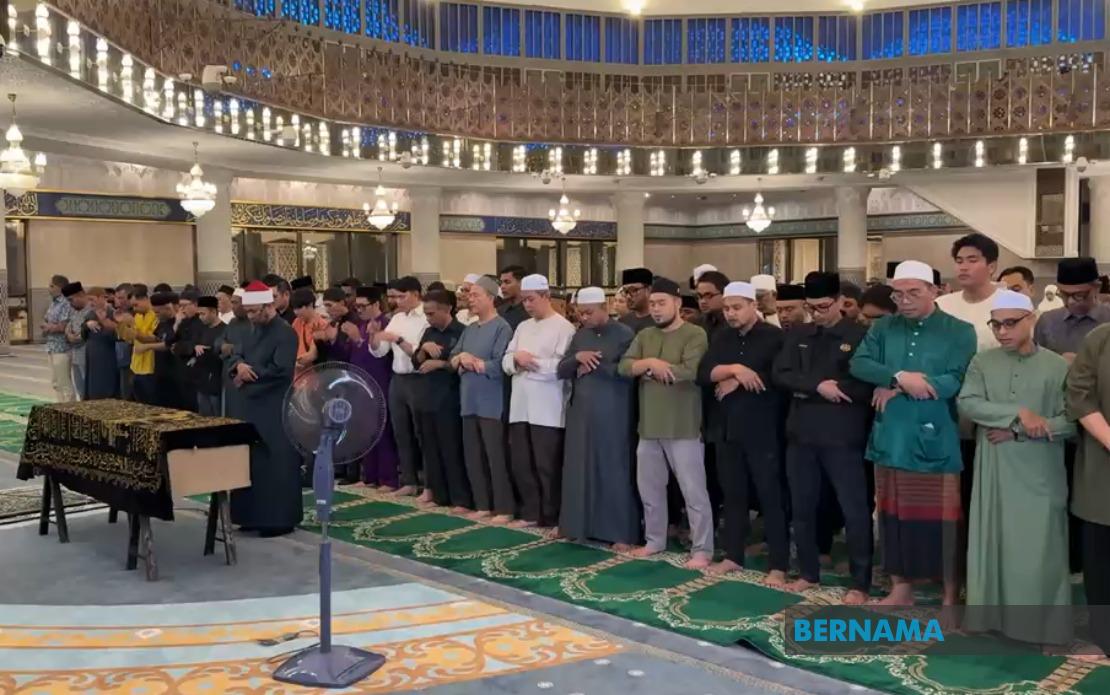
The remains of Datuk Kamil Misuari, spouse of Women, Family and Community Development Minister Datuk Seri Nancy Shukri, arrived at the National Mosque on the evening of June 18 for a final religious ceremony honouring his life. His body was subsequently transported to Kuala Lumpur International Airport for a late-night flight to Sarawak, where burial would take place. The sequence of events reflected customary practice in honouring prominent figures within Malaysian society, with the capital's most significant Islamic place of worship selected to accommodate family, government colleagues, and close associates paying tribute.
Preparations for the farewell began at Ampang Hospital, where the formal bathing of the deceased was conducted at 9 pm following standard Islamic rites. The procedural steps unfolded methodically throughout the evening, with the remains transferred to the National Mosque an hour later to facilitate visitation by those wishing to express condolences and participate in the formal religious observance. The timing of these arrangements underscored the coordination required when honouring the family member of a sitting cabinet minister, involving multiple institutions and careful logistical planning.
The funeral prayers themselves were scheduled for 10.50 pm, with the solemn ceremony drawing attendees from government and personal circles. Upon the completion of these final Islamic rites, transport to the international airport commenced at 11.20 pm, enabling the evening flight to Sarawak that would return Datuk Kamil to his home state for interment. This progression from hospital to mosque to airport reflected both religious observance and practical necessity in arranging timely repatriation.
The loss came after a period of hospitalisation dating back to the previous Friday, with Datuk Kamil's medical condition deteriorating markedly during the afternoon preceding his passing. His admission to Ampang Hospital, a major medical facility in the Kuala Lumpur metropolitan area, indicated the seriousness of his illness in his final days. The duration of his stay highlighted the severity of the health crisis that ultimately proved fatal, affecting not only his immediate family but extending impact across government circles given his wife's prominent ministerial portfolio.
Education Minister Fadhlina Sidek was among government figures present at Ampang Hospital during the final hours, demonstrating the cross-portfolio solidarity within the cabinet when faced with such personal tragedy. The attendance of senior colleagues underscored the significance placed on supporting ministerial families during times of bereavement. Such presence also reflected the interconnected nature of Malaysia's political leadership, where personal and professional relationships frequently overlap.
Family members travelled from Lahad Datu in Sabah to pay their last respects in the capital, with relatives gathering at the hospital's forensic department to be present during the formal preparation process. This multi-state convergence illustrated the broader family network extending beyond Sarawak and encompassing relatives across Borneo. The journey undertaken by extended family members to participate in the hospital farewell and subsequent ceremonies demonstrated the importance placed on collective mourning within Malaysian-Borneo communities.
The selection of the National Mosque as the venue for funeral prayers carried symbolic weight, as the institution serves as Malaysia's primary place of Islamic worship and is frequently utilised for significant state and ceremonial occasions. Conducting Datuk Kamil's funeral rites at this location elevated the ceremony's formality and ensured adequate space and facilities for the anticipated attendance of government officials, family members, and other mourners. The mosque's prominence also reflected the public dimension of loss when it touches cabinet-level families.
Nancy Shukri's portfolio encompasses women, family, and community development — areas that position her as a prominent female voice within Malaysia's cabinet structure. The loss of her husband represented a significant personal trial occurring whilst maintaining ministerial responsibilities during what was clearly an emotionally demanding period. Her colleagues' visible support during this time reflected both personal sympathy and institutional recognition of the demands placed on cabinet members navigating personal tragedy whilst meeting public obligations.
The repatriation to Sarawak indicated that Datuk Kamil maintained strong connections to his home state despite his wife's position in the federal capital. This pattern reflects broader Malaysian practice wherein prominent figures often maintain ties to ancestral regions and choose to be buried in their communities of origin. The overnight flight to Sarawak enabled the funeral arrangements to proceed rapidly, allowing burial to occur at the family's preferred location whilst honouring Islamic requirements regarding timely interment following death.
The entire sequence of events — from hospital procedures through religious observance to airport departure — was completed within a compressed timeframe spanning approximately fourteen hours. This efficiency was necessary to accommodate both Islamic funeral practices requiring swift disposition and the logistical coordination required when managing the bereavement of a government minister's family. The coordination between multiple institutions and stakeholders demonstrated the established protocols that emerge when official positions intersect with personal loss within Malaysia's governance structure.

