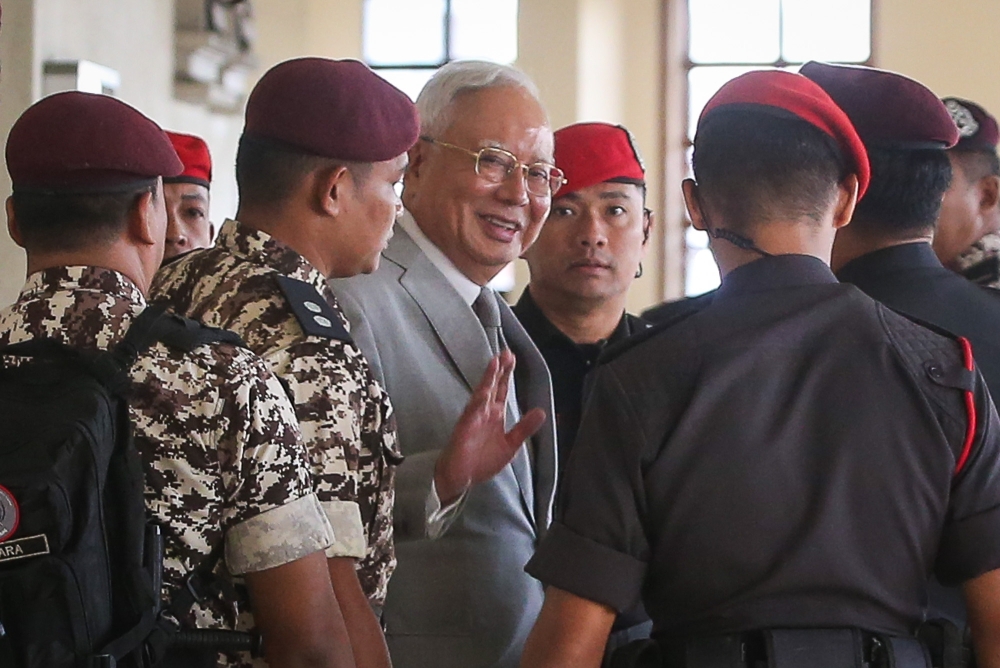
Datuk Seri Najib Razak, Malaysia's former prime minister, is set to undergo a cardiac procedure at Serdang Hospital in the coming week. The procedure represents a significant medical intervention for the 71-year-old politician, whose health matters have occasionally intersected with his legal proceedings over recent years. Court authorities have approved the necessary medical leave to accommodate the treatment schedule.
Serdang Hospital, located in the Klang Valley region, is one of Malaysia's major medical facilities equipped to handle complex cardiac procedures. The hospital has extensive experience managing heart conditions across its cardiology and cardiac surgery departments. The choice of Serdang Hospital reflects confidence in the institution's specialised capabilities for treating cardiovascular conditions at a level appropriate for a former head of government.
The timing of the procedure comes amid Najib's continued involvement in various legal matters spanning the post-2018 period. His medical needs, while a personal matter, necessarily interact with judicial schedules and court obligations. The court's approval of medical leave demonstrates the judiciary's recognition that legitimate health concerns must be accommodated within the legal framework, even for individuals facing serious charges.
Najib's health status has periodically featured in public discourse, particularly regarding his ability to manage concurrent legal cases and public commitments. Like many individuals in their seventies, cardiovascular health becomes an increasingly important consideration in daily life. The specific nature of the planned procedure—whether interventional cardiology, bypass surgery, or another cardiac intervention—remains a matter of medical confidentiality, though such procedures typically address narrowing or blockage in coronary arteries.
For Malaysian medical institutions, cases involving high-profile patients underscore the importance of maintaining confidentiality protocols while delivering world-class treatment. Serdang Hospital's handling of such procedures regularly demonstrates Malaysia's capacity for sophisticated cardiac care, positioning local healthcare as comparable to international standards. This capability is particularly significant given Malaysia's role as a regional healthcare hub for patients across Southeast Asia.
The former prime minister's medical situation carries broader implications for governance and succession planning within political parties. Leaders managing significant health concerns must balance personal wellbeing with public responsibilities and party commitments. Najib's continued political involvement, despite legal challenges and now medical procedures, reflects the complexity of navigating both personal health crises and institutional obligations.
From a legal perspective, the court's accommodation of medical needs establishes important precedent regarding defendants' rights to necessary healthcare. Malaysian jurisprudence recognises that the administration of justice must account for fundamental human needs, including emergency and scheduled medical treatment. This balance between legal process and human rights ensures that the court system functions equitably regardless of a person's status or circumstances.
The procedure's timing also intersects with Malaysia's broader healthcare landscape, where demand for specialised cardiac services continues rising alongside an ageing population. Public hospitals like Serdang manage an increasingly complex patient demographic, balancing routine care with acute interventions and high-profile cases. Investment in cardiac infrastructure remains critical for the nation's health security as cardiovascular disease remains a leading cause of mortality nationwide.
Looking forward, Najib's recovery trajectory will likely influence his ability to manage ongoing legal obligations and maintain his role within the United Malays National Organisation (UMNO). The post-operative period typically requires monitoring and lifestyle adjustments, which may affect his schedule for court appearances and political activities. Family support systems and medical oversight will play crucial roles in his recuperation process.
The situation also reflects evolving attitudes toward political figures' personal health matters in Malaysia's democratic discourse. Unlike some authoritarian systems where leaders' health information remains state secrets, Malaysian political culture permits discussion of significant medical events involving public figures. This transparency, balanced with respect for privacy, contributes to informed public understanding of leadership capacity and succession dynamics.
Regionally, Malaysia's demonstrated capability in managing complex cardiac cases for high-profile patients reinforces the country's position in medical tourism and healthcare excellence. The procedure at Serdang Hospital showcases local expertise that attracts patients and professionals across Southeast Asia. Investment in such capabilities strengthens Malaysia's competitive advantage in regional healthcare markets.
As Najib prepares for the procedure, the Malaysian medical profession will demonstrate once again its commitment to evidence-based care regardless of patient profile. Cardiac teams at Serdang Hospital will apply standard protocols and cutting-edge techniques to ensure optimal outcomes. The successful management of such high-profile cases ultimately benefits the broader patient population by advancing institutional experience and demonstrating healthcare system resilience.

