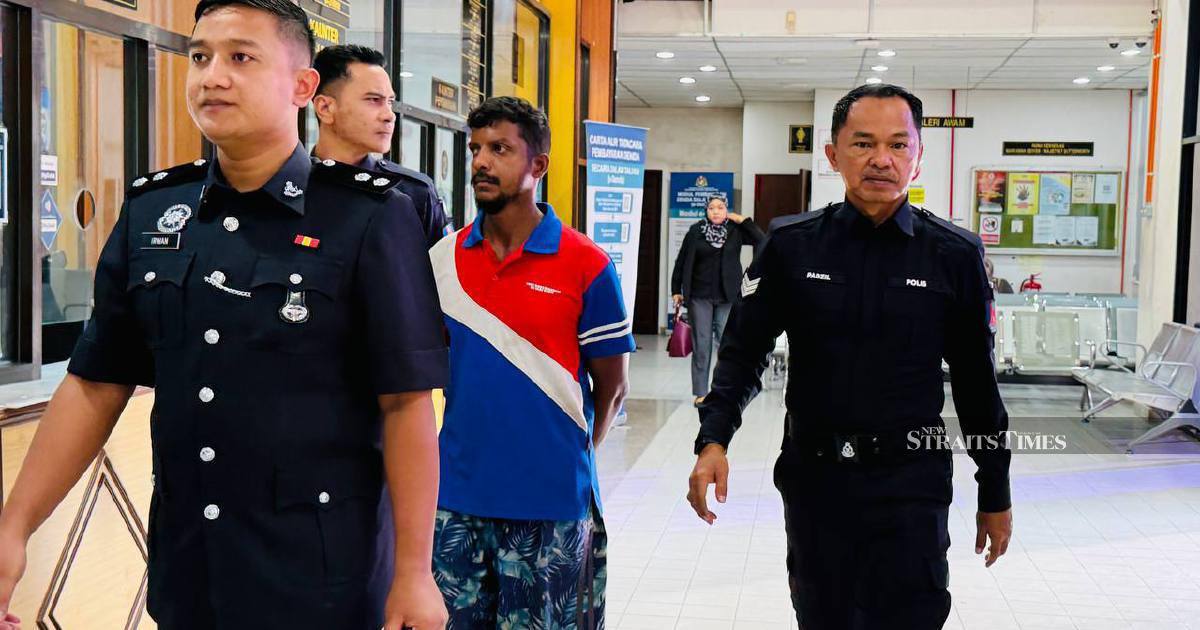
A Myanmar citizen made his first court appearance in Butterworth today following allegations that he caused serious bodily harm to a fellow national just days earlier. The man was formally charged in Sessions Court, though details of the incident itself and the circumstances leading to the confrontation remain limited. The case reflects ongoing concerns about violent disputes within migrant worker communities in Malaysia, where language barriers and documentation issues frequently complicate legal proceedings.
Court proceedings revealed that bail arrangements could not proceed immediately, as judicial authorities await verification of the accused's identification credentials. This procedural hold-up represents a common administrative hurdle in cases involving foreign nationals, where Malaysian authorities must establish proper identity verification before determining custody arrangements. The withholding of bail pending documentation checks is a standard safeguard, ensuring that courts can properly track individuals throughout criminal proceedings and verify their legal status in the country.
The grievous hurt charge carries significant legal weight under Malaysian law, typically indicating injuries that exceed simple hurt and may encompass fractures, severe lacerations, or other substantial bodily damage. Establishing the severity of injuries requires medical evidence and expert assessment, elements that must be compiled before trial proceedings can meaningfully advance. The alleged victim's cooperation and medical records will prove crucial to the prosecution's ability to substantiate the charge.
Myanmar nationals represent a substantial portion of Malaysia's migrant workforce, particularly in Penang and Selangor, where they undertake employment in manufacturing, construction, and service sectors. This concentrated population means that conflicts occasionally arise within close-knit communities, sometimes escalating to violence. Such incidents underscore the tensions that can develop in high-density migrant worker environments, where cultural differences, economic pressures, and overcrowded living conditions may contribute to interpersonal disputes.
Identification document verification becomes particularly complex when foreign nationals lack comprehensive documentation or carry papers issued by Myanmar authorities, which Malaysian officials must validate through official channels. This process may involve international coordination and bureaucratic delays, explaining why bail determinations are postponed pending completion of identity checks. The situation illustrates the administrative complexities that arise when Malaysia's criminal justice system intersects with migrant worker populations lacking standardized international documentation.
Butterworth, located in Penang's Seberang Perai district, has experienced notable migrant worker populations for decades, with specific neighborhoods housing concentrated communities from Myanmar, Bangladesh, and other Southeast Asian nations. Local law enforcement has reported episodic incidents of interpersonal violence within these communities, many stemming from disputes over accommodation, employment arrangements, or personal grievances. The area's geographic position as an industrial hub naturally attracts substantial foreign worker populations seeking manufacturing and port-related employment.
The Sessions Court jurisdiction represents a level of gravity sufficient to prosecute serious criminal offenses, with Sessions Court judges possessing broader sentencing authority than lower courts. This placement indicates that prosecutors and investigating officers viewed the incident as sufficiently serious to warrant elevated jurisdiction, suggesting the injuries alleged exceeded minor assault thresholds. The escalation to this court level typically correlates with documented injuries requiring medical intervention and ongoing treatment.
Document verification procedures delay not only bail determinations but also affect case preparation timelines, as prosecutors may struggle to establish reliable contact information or verify the accused's legal status in Malaysia. Defence counsel similarly require confirmed identity information to properly communicate with their clients and prepare substantive legal responses. These administrative prerequisites, though seemingly bureaucratic, serve essential functions in ensuring accountability and preventing case dismissals on procedural grounds.
The charge of causing grievous hurt presumes intent or recklessness resulting in serious injury, distinguishing it from accidental harm or minor violence. Prosecutors must therefore establish not merely that injuries occurred, but that the accused's conduct bore causal responsibility and fell within the threshold of grievous hurt rather than ordinary hurt. This evidentiary burden shapes how investigating officers document the incident and gather witness statements.
The forthcoming bail hearing, contingent on identification verification, will determine whether the accused remains remanded or secures release pending trial. Factors influencing judicial discretion typically include flight risk assessment, community ties, employment status, and the severity of charges. Myanmar nationals without Malaysia-based family connections may face heightened flight risk determinations, as authorities must evaluate whether sufficient incentives exist to ensure appearance at subsequent proceedings.
This case illustrates broader challenges Malaysia faces in administering justice across diverse migrant worker populations, where language interpretation, cultural context, and documentation verification complicate investigations and prosecutions. Improvements in inter-agency coordination between immigration authorities and law enforcement could potentially accelerate identity verification processes. Enhanced community integration programs and workplace dispute resolution mechanisms might simultaneously reduce interpersonal violence within migrant communities, addressing root causes rather than managing consequences through criminal proceedings.
As the accused awaits documentation clearance and bail determination, the victim's recovery and willingness to participate in prosecution will shape the case's trajectory. Whether additional charges emerge may depend on medical assessments and investigative developments. The proceedings will ultimately contribute to emerging jurisprudence regarding migrant worker violence in Malaysia's criminal justice system.