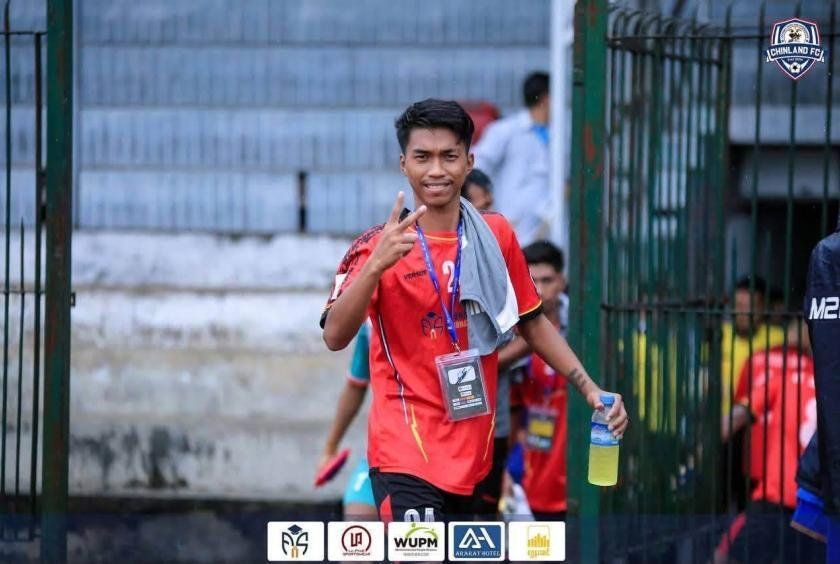
Chinland FC has confirmed that Pa Lung, the player who vanished nearly a week earlier, has been located safely and has reunited with the club. The announcement came on the evening of August 29, bringing relief to supporters, teammates, and the broader Myanmar football community who had grown increasingly anxious about the footballer's whereabouts during his unexplained absence.
The seven-day disappearance had prompted the club to take formal action, filing an official missing-person report with local police authorities while simultaneously launching an intensive search effort spanning five days. As time passed without any communication from the player or leads regarding his location, concern mounted significantly. The lack of any word from Pa Lung, combined with the silence from those who might have known his whereabouts, had raised troubling questions within Myanmar's football circles about what might have become of the athlete.
According to Chinland FC's formal statement released through social media, Pa Lung's absence stemmed from a genuine family emergency rather than any deliberate disappearance. The player had made an urgent decision to return to his hometown after learning that his mother was experiencing a critical health crisis. This family obligation, while entirely understandable, meant he left his teammates and coaches without prior notification—a departure that would have seemed alarming to those unaware of the circumstances driving his sudden exit.
The communication breakdown that followed proved particularly problematic in the modern era, when constant connectivity is often assumed. Pa Lung's mobile phone battery became depleted during his journey home, leaving him unable to contact the club or inform anyone of his situation. Beyond the simple matter of a dead battery, he encountered additional communication difficulties that further isolated him from his teammates and the club's management. These combined obstacles meant that despite his intentions to eventually explain his absence, he remained unreachable for an extended period.
Once contact was finally reestablished, the full picture became clear to club officials and the authorities they had engaged. Pa Lung had indeed been safe all along, though in circumstances that prevented him from maintaining normal contact with those in Yangon. His return to the team has now been confirmed, allowing Chinland FC to shift its focus from crisis management back to football operations. The club released an official statement emphasizing its pleasure and relief at Pa Lung's safe return, acknowledging both the player and his family's ordeal during this difficult period.
Chainland FC's response to the resolution highlighted the collaborative effort that had made locating the player possible. The club extended particular gratitude to the Myanmar Football Federation and Myanmar National League, recognising their institutional support during the crisis. Beyond football's governing bodies, the club acknowledged assistance from various authorities, law enforcement agencies, and media organisations that had helped amplify the search. This broad coalition of support underscores how seriously the Myanmar football community takes player welfare and the importance of collective action when such situations arise.
The incident also reflects broader questions about player welfare and communication protocols within Myanmar sports organisations. While Pa Lung's situation ultimately resolved positively, it exposed potential vulnerabilities in how clubs maintain contact with players and respond to unexplained absences. The seven-day gap before finding him demonstrates that even in an interconnected world, serious communication failures can occur, particularly when individuals are travelling and experiencing genuine emergencies outside metropolitan areas.
For Malaysian observers of Southeast Asian football, the incident offers perspective on the structural challenges facing clubs across the region. Myanmar's football infrastructure, though developing rapidly, continues to encounter difficulties that more established leagues have largely overcome through standardised protocols and communication systems. The need for players to have backup means of contacting their clubs, clearer emergency procedures, and family notification systems remains relevant across the region's developing football nations.
The resolution of Pa Lung's case should provide reassurance to the Myanmar football community and supporters across Southeast Asia that even significant disappearances can have explanations grounded in human circumstances rather than more sinister possibilities. His mother's health emergency, serious enough to warrant his immediate departure, represents the kind of genuine family crisis that should garner understanding and compassion from fans, administrators, and media observers. As Pa Lung reunites with his teammates and presumably checks on his mother's condition, the incident closes as a reminder of what truly matters beyond football's competitive boundaries.

