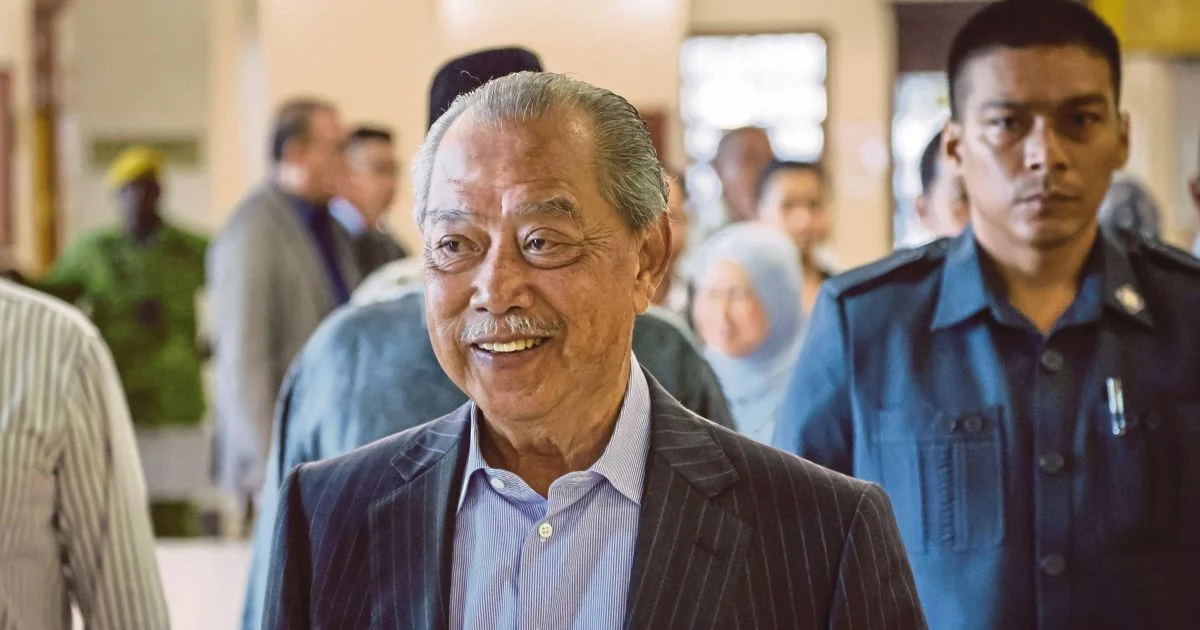
Tan Sri Muhyiddin Yassin, steering Bersatu and the Perikatan Nasional coalition, has signalled bullish expectations about PN's ability to secure control of Johor's state assembly, even though the opposition alliance has chosen to field candidates in only 33 constituencies across the electoral landscape. Speaking in Pagoh, the coalition's leader projected confidence that a pathway to government formation remains viable despite what appears at first glance to be a constrained electoral footprint.
The decision to contest fewer seats than the total 56 available in Johor represents a significant strategic shift from conventional opposition deployment patterns. This calculated approach suggests PN has identified specific constituencies where its prospects are strongest, allowing the coalition to concentrate resources and organisational muscle where they matter most. The concentration strategy reflects lessons learned from previous electoral encounters and a nuanced understanding of ground conditions across different Johor districts.
For Malaysian political observers, the confidence expressed by Muhyiddin warrants closer examination given the state's political trajectory. Johor has been an operational fortress for Barisan Nasional, particularly under former chief minister Osman Sapian, before the 2022 elections disrupted traditional patterns. The state's political complexion has shifted significantly, creating openings that did not previously exist, and PN's selective targeting reflects recognition that momentum in certain pockets could yield unexpected dividends.
The implication of contesting only 33 seats carries weight beyond mere campaign mathematics. By not fielding full-strength candidates across all constituencies, PN may be hedging against overextension or acknowledging resource limitations that prevent competitive campaigns in every area. Alternatively, this approach could indicate sophisticated polling data suggesting that victory in the targeted seats, combined with strategic alliances or post-election negotiations, might suffice for government formation. Malaysian coalition politics frequently hinges on such post-electoral arithmetic rather than outright majority capture.
Penikatan Nasional's composition—bringing together Bersatu, PAS, and other components—provides potential flexibility in coalition negotiations should the election result in a fragmented assembly. Unlike situations requiring a single coalition to command 29 seats for a majority, a more complex political landscape could allow PN to engineer alternative arrangements. Muhyiddin's confidence may partly reflect calculations about these secondary pathways to power rather than primary expectations of dominant electoral performance.
The Johor contest carries implications extending beyond the state's borders. As one of Malaysia's largest and most economically significant states, Johor's political direction influences broader national calculations. A successful PN showing would enhance the coalition's standing ahead of potential federal developments, while conversely, a disappointing result could weaken its positioning. This stakes-raising dynamic explains Muhyiddin's investment in projecting optimism, as narrative-setting before elections carries political value.
Regional dynamics also colour the equation. Johor's proximity to Singapore and its role as a commercial and industrial hub mean its governance affects investor confidence and cross-border flows. PN's profile as a coalition inclusive of Islamic-oriented parties requires careful calibration to reassure business communities accustomed to BN's conventional pragmatism. Muhyiddin's presentation of PN as a viable alternative government reflects awareness that perceptions about stability and economic competence matter substantially in a state where commerce and development drive political calculations.
The 33-seat strategy invites scrutiny about which constituencies PN considers winnable versus those deemed uncompetitive or unworthy of resource allocation. Urban areas, particularly in the Klang Valley proximity and Iskandar Puteri region, may feature more prominently in PN's targeting since opposition-leaning demographics cluster there. Conversely, rural constituencies requiring substantial organisational presence might receive less attention if PN judges such efforts as resource-inefficient relative to victory probabilities.
Muhyiddin's Pagoh base provides natural vantage for assessing PN's Johor positioning, given the constituency's importance within Bersatu's heartland. The seat itself has become symbolic of Bersatu's strength and Muhyiddin's personal standing. Comments emanating from this location carry particular weight among party members and coalition partners evaluating leadership confidence before ballots open.
From a Southeast Asian perspective, Johor's election underscores how Malaysian opposition politics continues adapting after the 2022 federal transition. Rather than the broad challenge that characterised earlier decades, contemporary opposition contests increasingly resemble selective interventions in chosen battlegrounds. This evolution reflects tighter budgets, evolving voter behaviours, and recognition that comprehensive state-wide campaigns may waste resources in unwinnable terrain.
The coming weeks will test whether Muhyiddin's optimism reflects genuine momentum or represents necessary political theatre intended to energise coalition members and project an image of viability to undecided voters. Election results in Johor would provide clarity about whether PN's concentrated strategy yields the returns leadership anticipates or whether apparent confidence masked acknowledgment of limited realistic ambitions in a state where incumbent structures retain substantial resilience.

