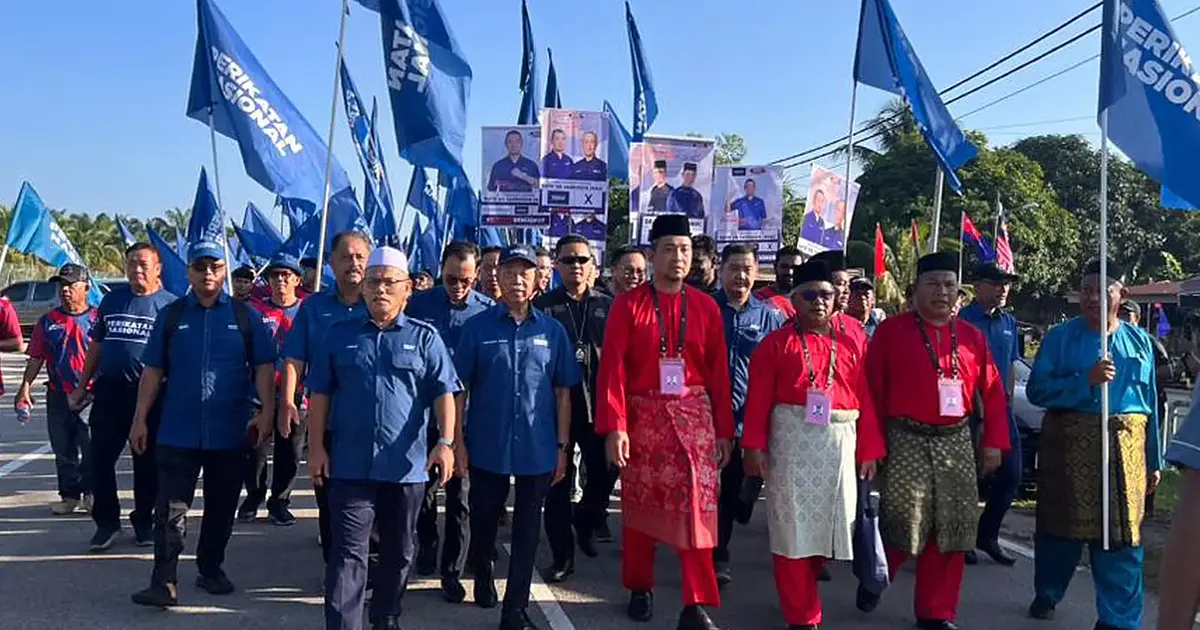
Perikatan Nasional made a calculated show of organisational strength in Bukit Kepong this week, as party president Muhyiddin Yassin joined hundreds of grassroots supporters in a public rally backing two-term assemblyman Dr Sahruddin Jamal, Bersatu's candidate for the hotly contested seat.
The turnout signals the coalition's determination to retain the constituency despite mounting political pressure from rival camps. Large campaign gatherings serve multiple functions in Malaysian politics: they energise the grassroots, demonstrate momentum to media observers, and project an impression of inevitable victory to wavering voters. By positioning himself alongside Dr Sahruddin, Muhyiddin underscored the national leadership's personal investment in this particular battleground.
Dr Sahruddin brings substantial legislative experience to his candidacy. Having served two terms in the state assembly, the Bersatu candidate carries the advantage of incumbency and established local networks. In Malaysian politics, assemblyman who successfully complete two terms typically command deep roots within their constituencies—they have seen constituents through multiple election cycles, accumulated favour through service delivery, and built personal political machines often independent of formal party structures.
The Bukit Kepong seat has become significant within the broader competitive landscape of Malaysian electoral politics. Constituencies that Perikatan Nasional holds face particular scrutiny, as the coalition has undergone considerable turbulence in recent years. By concentrating leadership attention and supporter mobilisation here, the coalition signals that retention is non-negotiable and that resources—both human and institutional—will flow to this contest.
Muhyiddin's personal appearance carries symbolic weight beyond mere numbers. As Bersatu president, his presence validates the candidate and demonstrates that the party hierarchy stands squarely behind this campaign. Such leadership engagement often precedes intensified grassroots organisation, suggesting that larger campaign infrastructure would follow this rally. For supporters, seeing the national party president in their constituency conveys that their concerns matter at the highest organisational levels.
The gathering also reflects broader coalition dynamics within Perikatan Nasional. The presence of hundreds of supporters indicates functional party machinery—the ability to mobilise, transport, and organise adherents around campaign events. This organisational capacity remains crucial in Malaysian elections, where traditional ground-level work often determines outcomes in marginal constituencies. Demonstrating such capacity serves defensive purposes, deterring potential opposition incursions into what Perikatan Nasional considers its territory.
From a strategic perspective, Muhyiddin's presence in Bukit Kepong sends messages across multiple audiences. For Perikatan Nasional members, it suggests the party takes this contest seriously and will not cede ground without maximum effort. For opposition parties eyeing the seat, it telegraphs that they should expect a well-resourced, fully engaged opponent. For undecided voters, large gatherings create impressions of inevitability and momentum—psychological factors that measurably influence electoral behaviour in Malaysia.
Dr Sahruddin's two-term incumbency provides tangible advantages often overlooked in analysis of Malaysian politics. Assemblyman accumulate knowledge of local issues, develop relationships with state administration personnel, and build networks that facilitate constituent service delivery. These practical advantages, especially in service-related matters like infrastructure, licensing, and local problem-solving, create personal bonds with voters that transcend pure party ideology.
The timing and scale of this campaign event also reflects Perikatan Nasional's broader political positioning. The coalition has experienced considerable volatility, with internal tensions and external pressures threatening cohesion. Demonstrating strength in constituencies it controls becomes essential for maintaining morale and signalling resilience to both supporters and critics. The Bukit Kepong rally functions as a statement of political viability at a moment when such demonstrations matter strategically.
For Malaysian voters observing this contest, the large gathering provides data points about relative campaign intensity. Elections in Malaysia are determined not only by party platforms or candidate quality, but substantially by organisational prowess and the visible commitment of resources. When voters see major party leaders personally campaigning, they receive signals about which contests their respective parties deem competitive or vulnerable.
The outcome in Bukit Kepong will carry implications beyond the single constituency. In Malaysian electoral mathematics, the loss of even one traditionally held seat can damage a coalition's narrative momentum and create vulnerabilities elsewhere. Conversely, retaining competitive seats with strong margins demonstrates resilience. This explains why Muhyiddin and Perikatan Nasional invested in the high-profile campaign event—every seat in the current fractious political environment carries magnified significance for coalition positioning.

