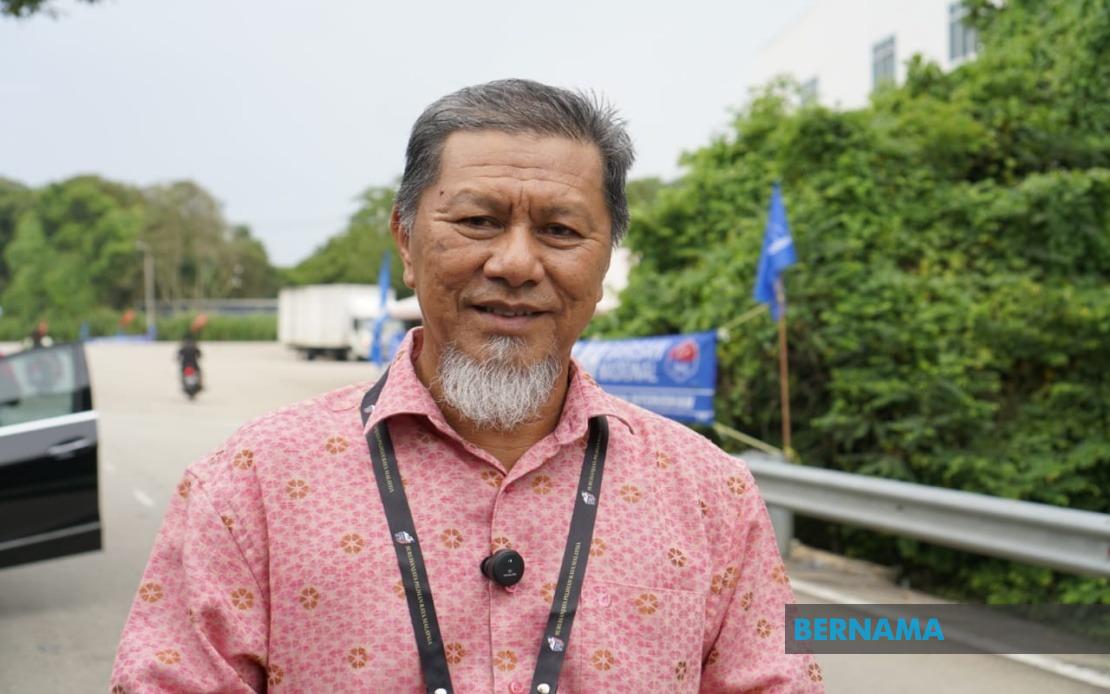
Amanah's Muhd Najib Lep is banking on a comprehensive development agenda centred on unlocking the economic potential of Bandar Universiti Pagoh as he seeks to retain the Bukit Pasir state assembly seat in Saturday's Johor election. The Pakatan Harapan candidate argues that the education township, despite hosting four tertiary institutions including Universiti Tun Hussein Onn Malaysia and Universiti Teknologi Malaysia campuses, remains underutilised and plagued by critical infrastructure shortfalls that prevent residents and small businesses from fully benefiting from the presence of these knowledge hubs.
Muhd Najib's pitch centres on translating the township's educational assets into tangible economic gains for local communities. He contends that Bandar Universiti Pagoh possesses untapped capacity to function as an engine of socio-economic development, particularly for the Bukit Pasir constituency, but only if systematic investment in sustainable urban infrastructure proceeds immediately. The vision extends beyond mere physical development; it encompasses ensuring that villagers, small and medium enterprises, and small business operators gain direct access to the commercial opportunities generated by the concentration of universities and student populations in the area.
The candidate has identified critical gaps in the township's service infrastructure as a primary impediment to realising its economic potential. Beyond the visible academic facilities, Bandar Universiti Pagoh currently lacks essential banking and healthcare services that would ordinarily support both student populations and commercial activity. These absences represent not merely inconveniences but structural barriers preventing the township from functioning as a cohesive economic zone. For small business operators seeking to serve the student market or the university workforce, the absence of banking infrastructure complicates financial transactions and credit access, while gaps in healthcare limit the township's attractiveness as a residential destination.
Housing affordability forms another pillar of Muhd Najib's development platform. He emphasises that providing affordable and conducive residential options represents a pathway to simultaneously addressing family financial pressures and creating conditions conducive to educational success among younger generations. This framing reflects recognition that without adequate housing stock at accessible price points, the township cannot attract or retain talent, whether students seeking accommodation or professionals working in knowledge industries. By positioning housing policy within a broader narrative about intergenerational welfare and educational excellence, he connects infrastructure provision to human development outcomes.
The former state assemblyman brings a distinct credential to his platform: nearly thirteen years of service in the Malaysian Armed Forces. This background informs his commitment to military veteran welfare, an issue he elevates as a priority within his election campaign. Muhd Najib has identified a substantial disparity in pension arrangements between military retirees who separated before and after 2013, characterising this as a significant equity concern. As chairman of the Pagoh Malaysian Armed Forces Veterans Association, he positions himself as uniquely positioned to advance veteran interests within the state legislature, adding a social policy dimension to his candidacy beyond the immediate constituency concerns.
The contest for Bukit Pasir presents a three-way race that reflects broader political fragmentation in Johor's electoral landscape. Muhd Najib faces incumbent assemblyman Mohamad Fazli Mohamad Salleh of Barisan Nasional and Perikatan Nasional's Mohd Idzharruddin Mohd Nasirruddin. The incumbent's previous victory margin of 198 votes in 2022 signals a closely contested seat with genuine uncertainty about voter preferences. This tightness creates space for the Amanah candidate's strategy of emphasising infrastructure modernisation and direct community benefit from township development.
Muhd Najib's campaign narrative emphasises continuity of grassroots engagement following his previous tenure as state assemblyman. He reports receiving consistent positive feedback and strong support during voter interactions, casting this as validation for his community-focused approach. This emphasis on ground-level responsiveness and sustained constituency work serves to counter any perception that Pakatan Harapan faces structural disadvantages in the state election environment. By highlighting the duration and consistency of his community involvement, he constructs an image of a candidate with deep local roots and proven track record in constituency service.
The broader Johor state election context shapes the competitive terrain within which Muhd Najib operates. The 16th state election involves 172 candidates contesting 56 assembly seats, with approximately 2.73 million eligible voters determining outcomes. This represents a substantial electoral exercise in which Bukit Pasir constitutes one significant battleground among many. The concentration of universities and educational institutions in Bandar Universiti Pagoh creates a distinct demographic composition within the constituency, potentially including significant student and academic populations whose concerns may differ from more traditional rural constituencies.
For Malaysian voters and observers monitoring developments in Johor, this contest illustrates how opposition coalition candidates are positioning themselves around specific development narratives rather than purely partisan or personality-driven appeals. Muhd Najib's strategy—focusing on translating existing institutional assets into economic benefits, addressing infrastructure deficiencies, and championing marginalised groups like military veterans—reflects an approach grounded in policy specificity. Whether this translates into electoral traction against a fragmented opposition and an incumbent with a paper-thin margin of victory will become clear when Johorians vote.
The Bandar Universiti Pagoh development narrative also carries implications for understanding how Malaysian politicians conceptualise the relationship between higher education institutions and local economic development. Rather than treating universities as isolated ivory towers, Muhd Najib's framing suggests education hubs should function as integrated economic ecosystems benefiting surrounding communities. This reflects evolving expectations about how public investments in tertiary education should generate returns beyond individual graduate outcomes, encompassing broader community prosperity and SME development. The extent to which such integrated development models gain traction may influence how future education infrastructure investments are planned and justified in Malaysia.

