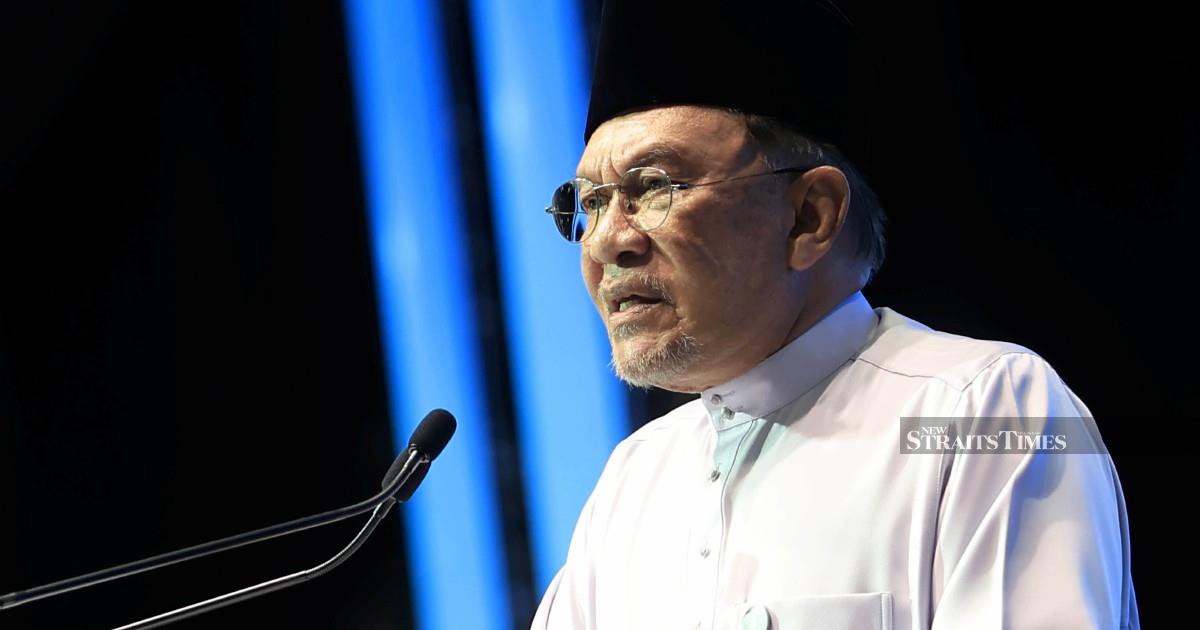
Disputes over venue access have surfaced in Muar as the Johor district office moved to clarify its position regarding Prime Minister Datuk Seri Anwar Ibrahim's use of government facilities. The administration categorically rejected claims circulating in local political circles that it had obstructed the premier from conducting a community engagement initiative at the Penghulu Mukim Sungai Balang Complex during the previous month.
The timing of these denials reflects broader tensions that frequently emerge during election cycles, when opposition parties and ruling coalitions scrutinise resource allocation and government facilities usage. In Malaysia's political landscape, allegations of government machinery bias have become recurring flashpoints, particularly in swing districts where electoral margins remain razor-thin. Muar, a constituency in Johor that has witnessed competitive contests in recent years, fits this pattern of heightened political sensitivity surrounding administrative decisions.
Access to government buildings and complexes for political activities remains a contentious issue nationwide. While sitting administrations retain legitimate discretion over facility scheduling and event approval, the perception that such power is wielded unfairly can undermine public confidence in institutional neutrality. The Muar district office's proactive statement suggests officials were aware that allegations of venue denial—whether accurate or not—carried potential reputational consequences and could fuel narratives about partisan administration during an election period.
The Penghulu Mukim Sungai Balang Complex serves as a focal point for district-level administration and community programming. Such facilities typically host various stakeholders' activities, from government initiatives to community meetings. The alleged incident, had it occurred as reported, would have raised questions about whether venue policies were being applied consistently regardless of which political figures sought access. This underscores deeper institutional challenges that electoral commissions and government agencies grapple with during campaign periods.
In the context of Johor's electoral dynamics, such disputes assume heightened significance. The state has witnessed shifts in political allegiances over successive election cycles, with constituencies remaining fiercely contested between Barisan Nasional, Pakatan Harapan, and occasionally other coalition partners. Muar's status as a competitive seat means that administrative decisions—real or perceived—can influence voter sentiment and campaign narratives. Both ruling and opposition camps maintain vigilant scrutiny of government facility allocation, viewing such matters as indicators of institutional impartiality.
The denial issued by the Muar district office represents standard administrative practice during election seasons, when political parties frequently lodge complaints regarding venue access or facility usage. Whether such complaints derive from genuine access restrictions or reflect political posturing often remains ambiguous until official clarifications emerge. The district office's statement carries weight as it comes from the ostensibly neutral administrative apparatus rather than from partisan political players.
Government complex usage policies theoretically apply uniformly, with approvals based on scheduling availability, facility suitability for intended activities, and compliance with administrative protocols. However, the translation of these neutral criteria into ground-level decisions can sometimes reflect administrative discretion that critics perceive as politically motivated. This gap between formal policy and practical implementation remains a persistent challenge in ensuring equitable treatment of different political actors during campaign periods.
For Prime Minister Anwar Ibrahim and Pakatan Harapan, venue access for community engagement programmes forms part of broader campaign infrastructure in Johor. These events serve multiple purposes: directly engaging constituents, generating local media coverage, and demonstrating administrative presence in targeted constituencies. Conversely, the ruling administration's control over such venues provides structural advantages that opposition parties argue constitute improper use of government machinery.
The Johor electoral context makes such administrative clarifications particularly significant. As a state where BN traditionally maintains strongholds but has faced intermittent challenges from opposition coalitions, questions of governmental impartiality resonate with voters concerned about administrative accountability. The manner in which district offices handle facility requests—and communicate about such decisions—becomes part of the broader electoral narrative shaping voter perceptions of governance quality and institutional fairness.
Moving forward, such disputes likely remain inevitable features of Malaysian electoral periods. They reflect underlying structural imbalances in how sitting governments can mobilise state resources compared to opposition challengers. While administrative denials help manage immediate controversy, deeper institutional reforms regarding campaign-period governance and facility access protocols continue to occupy space in broader political reform discussions. For now, the Muar district office's clarification attempts to dispel allegations that could otherwise gain traction in local political networks and influence electoral dynamics in this closely-watched constituency.

