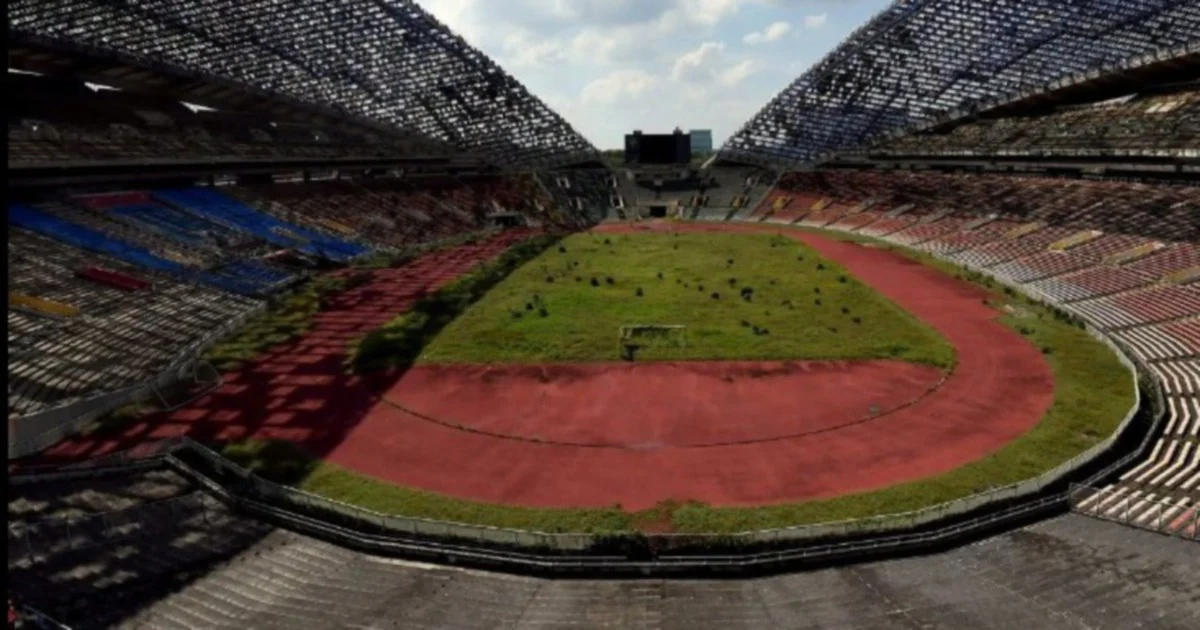
Malaysian Resources Corporation Bhd (MRCB) has successfully obtained a consent judgment at the Shah Alam High Court in action brought against activist Abdul Razak Ismail, stemming from online content the property company contended had inflicted financial harm in connection with the demolition and redevelopment initiative surrounding Shah Alam Stadium.
The consent order represents a significant legal victory for the publicly-listed developer, underscoring the growing tension between corporate entities undertaking major infrastructure projects and civil society activists who scrutinise such developments. The case highlights the complex intersection between property rights, freedom of expression, and corporate reputation management in Malaysia's increasingly litigious business environment. Court-ordered agreements of this nature signal the judiciary's role in mediating disputes where companies allege reputational and economic damage from online advocacy and critical commentary.
The Shah Alam Stadium redevelopment has emerged as a focal point for broader concerns about urban renewal, heritage preservation, and transparency in major construction contracts. The facility, located in Malaysia's industrial heartland, represents not merely a sports venue but a symbol of the city's identity and sporting history. MRCB's involvement in the project has attracted considerable public interest, particularly regarding environmental considerations, community impact assessments, and the terms under which the original stadium would be decommissioned and replaced.
Abdul Razak Ismail's digital publications on the matter appear to have disputed the company's narrative surrounding the project's necessity and implementation. Activists and concerned citizens across the Klang Valley have frequently questioned whether such large-scale demolitions genuinely serve public interest or primarily facilitate corporate profit maximisation. The consent judgment against the activist suggests that certain online statements or implications crossed legal thresholds that courts recognised as actionable, whether through defamation, misleading claims about financial viability, or other tortious grounds.
For MRCB, the consent order provides legal recognition of harm allegedly suffered through digital dissemination of critical material, establishing precedent regarding the boundaries of acceptable online commentary on major corporate projects. Such victories in court frequently serve dual purposes: they provide tangible restitution for claimed damages while simultaneously functioning as cautionary signals to others considering similar public advocacy. The judgment may influence how other activists and concerned stakeholders approach criticism of large infrastructure initiatives in Malaysia.
The litigation underscores persistent questions about power imbalances between well-resourced corporations and individual activists operating through social media and digital platforms. While companies possess sophisticated legal departments and litigation budgets, individual advocates typically operate with minimal resources, making protracted court battles financially exhausting. Consent orders obtained through court proceedings carry particular weight because they represent judicial endorsement rather than mere commercial settlement, lending formal authority to corporate positions.
In Malaysia's development landscape, such cases increasingly frame the narrative around megaprojects. When developers secure court orders against critics, it potentially discourages forthright public debate about infrastructure decisions affecting urban communities. Conversely, developers argue they must protect themselves from what they characterise as misinformation or exaggerated claims that damage legitimate commercial interests and investor confidence. This tension between development imperatives and accountability mechanisms remains unresolved within Malaysian jurisprudence.
The Shah Alam Stadium situation reflects broader Southeast Asian patterns where rapid urbanisation and infrastructure expansion frequently generate friction between corporate ambitions and community concerns. Cities throughout the region have witnessed similar disputes involving stadium demolitions, commercial developments on public land, and questions about whether consultation processes genuinely accommodate local voices. Malaysia's relatively developed legal system means such disputes often reach courtrooms, unlike some neighbouring countries where developmental projects proceed with minimal formal oversight.
MRCB's consent order likely contains provisions restricting Abdul Razak Ismail's ability to republish previously distributed materials or make similar claims about the project and company. Such orders typically include explicit language prohibiting repetition of contested statements, removal of existing online content, or requirements to issue clarifications acceptable to the victorious party. These provisions effectively reshape public discourse by removing or limiting access to critical content that courts have determined causes actionable harm.
The judgment may also influence how Malaysian journalists approach reporting on MRCB projects and similar major developments. Media organisations operating under defamation liability concerns often become more circumspect when covering corporate initiatives after observing successful litigation against critics. This chilling effect on public discussion, while perhaps unintended, frequently accompanies consent orders and damages judgments in Malaysian media and activist spaces.
Looking forward, the case illustrates how litigation strategies have become integral to corporate reputation management in Malaysia. MRCB's decision to pursue court action signals that online activism around its projects will face legal consequences, a message likely intended for both Abdul Razak Ismail and other potential critics. Whether such judicial interventions ultimately serve public interest remains contested among legal scholars, civil society advocates, and governance experts monitoring Malaysia's evolving approach to balancing corporate rights, public interest, and freedom of expression in the digital age.

