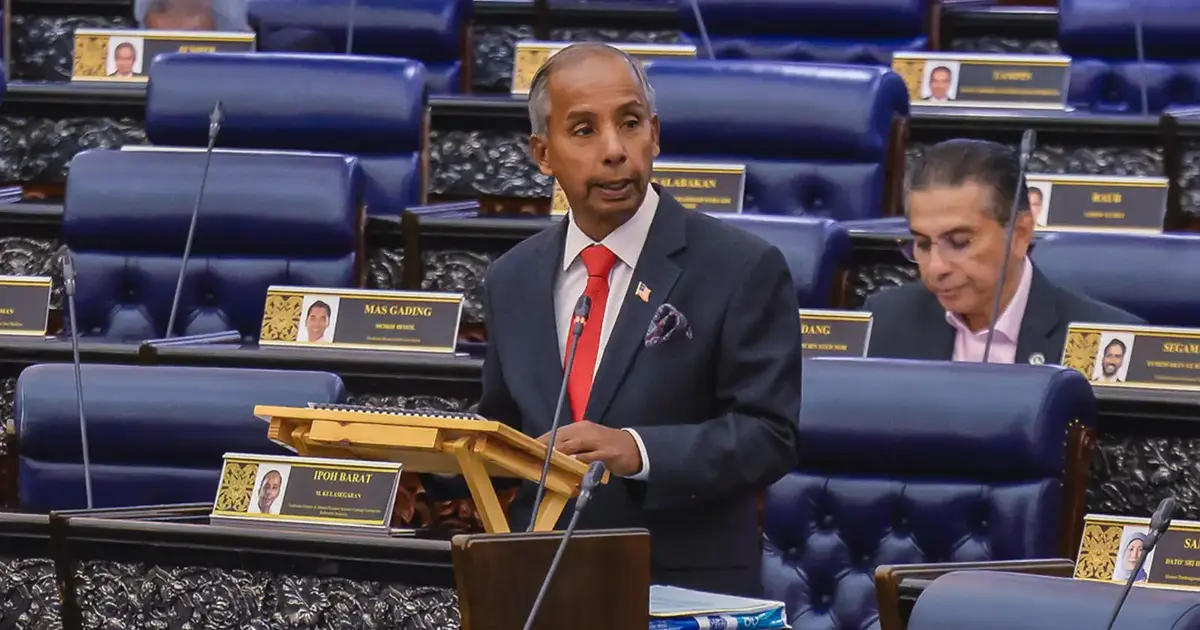
Lawmakers could potentially gain access to CCTV recordings documenting the Taiping prison disturbance, according to Deputy Law and Institutional Reform Minister Kula Segaran, though the government must first obtain Cabinet approval before any footage can be released. The conditional statement reflects the administration's effort to balance parliamentary oversight with the complexities of an ongoing judicial process, as multiple court proceedings remain active regarding the incident.
Kula's remarks indicate a willingness to accommodate legislative interest in the prison breach, which has drawn significant parliamentary attention and public scrutiny. However, the minister emphasized that granting access to sensitive surveillance materials requires careful consideration of legal implications, particularly given the number of active cases in the courts stemming from the disturbance. This approach suggests the government is treading cautiously between transparency pressures and institutional obligations to protect evidence in pending litigation.
The Taiping prison riot has become a matter of substantial concern within Parliament, with multiple members seeking greater clarity on the circumstances surrounding the incident and the security lapses that permitted it to occur. The prospect of allowing elected representatives to review video documentation responds to legitimate parliamentary demands for answers about the breakdown in prison management and control. Yet the government's insistence on Cabinet-level deliberation signals recognition that releasing such materials carries procedural and evidentiary risks that extend beyond routine administrative approval.
Court cases connected to the incident introduce a significant legal dimension to the question of footage access. Prosecutors and defence attorneys handling these cases require evidence to remain within controlled channels to preserve chain-of-custody documentation and prevent contamination of witness testimony. If Parliament obtains and discusses the footage, defence counsel could argue that public parliamentary exposure prejudices fair trial rights, potentially complicating prosecutions and compromising legal outcomes. These considerations explain why the matter requires Cabinet intervention rather than simple ministerial authorization.
For Malaysian readers, the situation underscores broader tensions between governmental transparency and the integrity of the justice system. Recent years have witnessed growing parliamentary demand for access to official records and video evidence relating to security incidents, though courts and investigating authorities have frequently resisted such disclosure to protect ongoing proceedings. The Taiping case exemplifies how public accountability and legal procedure sometimes operate in competing directions.
The deputy minister's conditional language—suggesting that access may be granted rather than promising it would occur—reflects genuine uncertainty about whether Cabinet will ultimately approve such a release. Government decision-making on sensitive security matters involves consultation among multiple agencies, including the Prison Department, the Attorney-General's Chambers, and potentially the police, each of which may hold differing views on the wisdom of parliamentary access. The Cabinet must weigh institutional interests, legal risks, and political considerations before reaching consensus.
In Southeast Asian context, the situation reflects patterns seen across the region regarding imprisonment and disturbance within custodial facilities. Prison breaches in Thailand, Indonesia, and the Philippines have similarly prompted debates about transparency, security reform, and legislative oversight. Malaysia's approach to this question will likely influence regional discussions about how democracies can pursue meaningful accountability for prison management failures without undermining criminal justice processes.
The broader institutional question at stake involves defining the proper scope of parliamentary rights to information about government operations. While legislators clearly possess legitimate responsibility to scrutinize prison administration and security failures, courts must be assured that their evidence remains protected from public exposure that could bias future proceedings. Finding the appropriate boundary between these competing interests requires careful legal analysis and good-faith negotiation among government branches.
Kula's statement indicates the matter remains under active consideration rather than settled, meaning affected members of Parliament may expect further communication as Cabinet deliberations progress. The timeline for decision-making remains unclear, though the government's acknowledgment that access is potentially available suggests the issue carries meaningful political weight within Parliament. If Cabinet ultimately approves the release, it would represent a significant shift toward greater legislative access to sensitive security documentation in Malaysia.
The implications for Malaysian governance extend beyond the immediate Taiping incident. The precedent established by this case regarding parliamentary access to surveillance footage could influence how government responds to future legislative demands for security-related video evidence. If Cabinet approves access in this instance, it may create expectations that similar requests regarding other security breaches or disturbances will likewise receive sympathetic consideration. Conversely, if Cabinet refuses, it would signal that operational security concerns and judicial protection take precedence over parliamentary transparency in sensitive matters.
Meanwhile, the prison system itself faces scrutiny regarding the security failures that permitted the disturbance to occur in the first instance. Beyond the question of footage access, Parliament and the public remain interested in what systemic reforms the Prison Department has implemented to prevent recurrence. The focus on CCTV evidence partly reflects broader uncertainty about whether official explanations of the incident have adequately addressed concerns about staffing, equipment, training, and facility design that may have contributed to the breach.

