Several Members of Parliament launched strong rebukes on August 11 against opposition lawmakers who abandoned a parliamentary briefing in the Dewan Rakyat concerning the Royal Commission of Inquiry report on Lembaga Tabung Haji's management and operations spanning 2014 to 2020. The controversy centred on the decision by some opposition MPs to walk out during a ministerial presentation by Dr Zulkifli Hasan, Minister in the Prime Minister's Department for Religious Affairs, triggering accusations that legislators had shirked their fundamental oversight responsibilities.
Muar MP Syed Saddiq Syed Abdul Rahman articulated the frustration among those who remained for the debate, characterising the boycott as a dereliction of parliamentary duty. He emphasised that the special sitting addressed one of the Malaysian Muslim community's most significant financial institutions, making the absence of opposition scrutiny particularly damaging. His intervention underscored a broader tension within Malaysia's legislature: whether MPs are obligated to participate in critical debates affecting public institutions regardless of political circumstances or personal objections.
The crux of Syed Saddiq's argument rested on representation and accountability. He highlighted that Tabung Haji serves approximately 10 million depositors, predominantly from the Malay-Muslim demographic, whose financial security depends on transparent governance and robust parliamentary oversight. By boycotting the RCI debate, opposition members effectively abandoned those constituents' interests, he contended, suggesting that political theatre should not supersede the fiduciary duty owed to vulnerable savers whose retirement and religious obligations depend on the fund's stability.
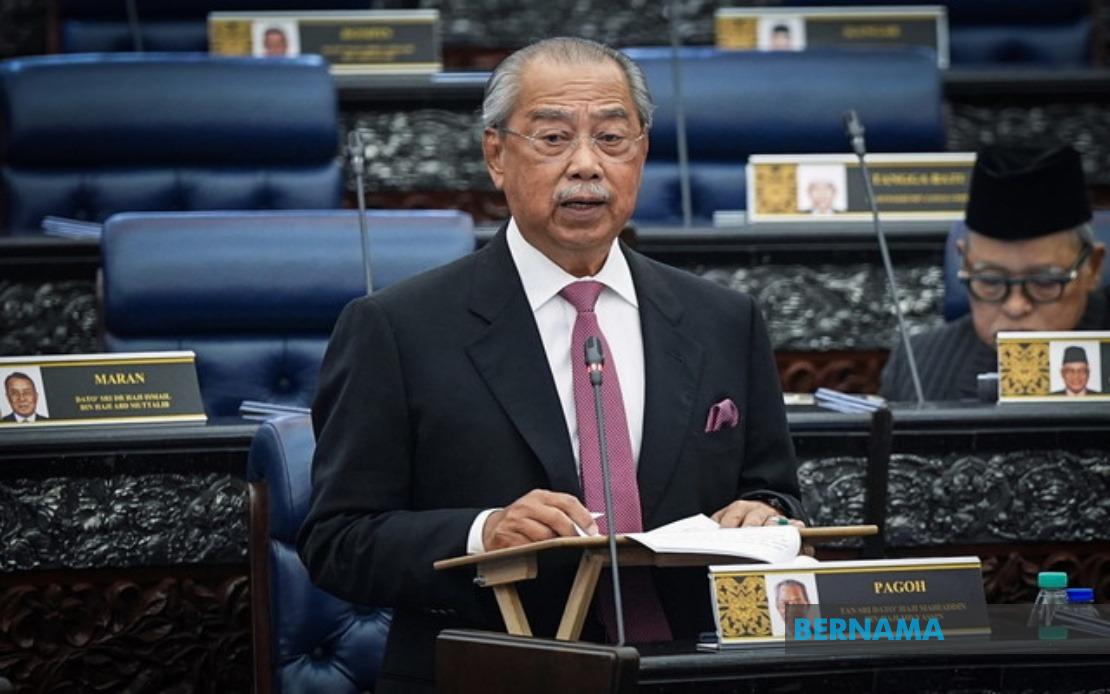
Pageh MP Tan Sri Muhyiddin Yassin adopted a similar line of criticism while simultaneously highlighting his own coalition's integrity. As Perikatan Nasional chief, he underscored that six Bersatu MPs chose to remain in the chamber and engage substantively with the RCI findings, positioning this participation as evidence of responsible opposition conduct. His framing suggested a distinction between principled disagreement with government policies and wholesale abdication from parliamentary duties, a distinction potentially significant for voters evaluating opposition credibility during the next electoral cycle.
The boycott provoked additional censure from Putrajaya MP Datuk Dr Radzi Jidin, who rejected what he termed unnecessary political theatre surrounding institutional accountability. His comment reflected a recurring frustration among MPs across factional lines: that Tabung Haji's considerable challenges demanded non-partisan examination rather than tactical parliamentary manoeuvres. The institution's recent financial difficulties and governance concerns had generated public anxiety, making the opposition's absence from the debate symbolically problematic regardless of their underlying objections.
Padang Serai MP Datuk Azman Nasrudin broadened the stakes beyond individual depositor welfare, connecting the Tabung Haji matter to national economic governance more generally. He argued that MPs' collective obligation encompassed representation of more than 30 million Malaysians while safeguarding the country's financial architecture. His statement suggested that withdrawal from such debates set a troubling precedent, potentially emboldening future boycotts of other critical institutional reviews and undermining parliamentary effectiveness as a forum for public accountability.
Sri Gading MP Aminolhuda Hassan extended the criticism by commending Betong MP Datuk Dr Richard Rapu @ Aman anak Begri, a non-Muslim legislator who participated actively in the RCI discussion. This acknowledgment carried implicit messaging: that professional execution of parliamentary duty transcends religious and ethnic identity considerations, and that such duty should override factional political calculations. The praise for Rapu's substantive engagement subtly criticised opposition MPs for failing to meet similar standards.
Operation Leader Datuk Seri Hamzah Zainuddin, Perikatan Nasional chief whip Datuk Seri Takiyuddin Hassan, and PN chairman Datuk Seri Dr Samsuri Mokhtar were among those who departed from the Dewan Rakyat. Their walkout represented a significant institutional moment, with high-ranking opposition figures sending clear signals that they declined to legitimise the government's handling of the RCI findings through their parliamentary presence.
Angkatan Muda Keadilan, a youth wing organisation, amplified the criticism by characterising the boycott as both irresponsible and disappointing, particularly regarding Perikatan Nasional coalition members including PAS and Wawasan. The statement asserted that Parliament constitutes Malaysia's paramount institutional forum for debating public welfare issues, scrutinising governance, and demanding administrative accountability. Absence from such proceedings, the analysis suggested, signalled either political immaturity or deliberate prioritisation of factional interests above institutional integrity.
The Angkatan Muda Keadilan statement articulated a potential electoral consequence: that voters dependent on Tabung Haji benefits might interpret the opposition's absence as disregard for their financial security. The walkout, from this perspective, risks creating perceptions that particular political parties value symbolic protest more highly than substantive engagement on matters directly affecting millions of household retirement accounts and religious savings obligations. This framing transforms the boycott from a procedural parliamentary tactic into a potential credibility liability for opposition parties ahead of future electoral contests.
Context surrounding the debate highlighted Tabung Haji's ongoing institutional challenges. The fund has confronted substantial financial pressures, governance questions, and public confidence issues requiring parliamentary examination and potential legislative remedies. The RCI report represented an official diagnostic tool through which representatives could demand explanations from government and propose solutions protecting depositor interests. Opposition absence from this process necessarily limited the comprehensiveness of parliamentary review.
The controversy reflects broader patterns within Malaysian parliamentary practice, where boycotts have periodically emerged as opposition protest mechanisms. However, critics argue such tactics become problematic when applied to debates concerning public institutions affecting citizens across partisan boundaries. Tabung Haji's depositor base encompasses government and opposition supporters alike, creating arguments that parliamentary scrutiny should transcend factional political divisions.

