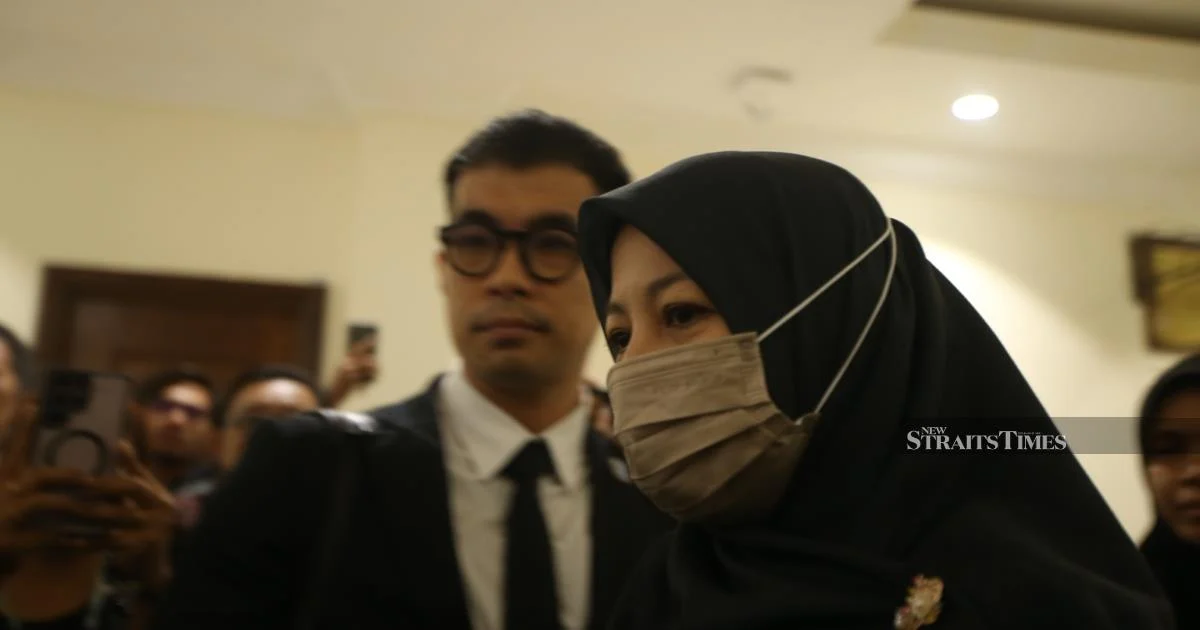
The tragedy surrounding the death of Zara Qairinah Mahathir has taken on a poignant dimension as her mother, Noraidah Lamat, told the coroner's court in Kota Kinabalu that she deeply regrets the decision to send her daughter to SMKA Tun Datu Mustapha. The emotional testimony underscores the profound anguish felt by families when educational institutions fail to safeguard their children, a concern that resonates across Malaysian society where parents entrust schools with their children's welfare during formative years.
Coroner's inquests serve a critical function in Malaysia's legal system, designed not merely to establish cause of death but to examine systemic failures that may have contributed to tragic outcomes. When a parent testifies before such a court expressing regret about fundamental decisions like school choice, it signals that underlying issues extend beyond a single incident—they point toward broader concerns about institutional safety and oversight. The courtroom setting itself transforms private grief into public accountability, allowing scrutiny of whether establishments met their duty of care.
SMAK Tun Datu Mustapha, like other religious secondary schools in Malaysia, occupies an important position within the education system. Islamic secondary colleges are established across the country to provide specialised religious instruction alongside mainstream academics, serving families seeking Islamic-focused education. However, this specialised status carries heightened responsibilities regarding pastoral care, supervision, and the wellbeing of boarding students who spend significant portions of their lives within school compounds away from parental oversight.
The significance of a mother's regret in such circumstances extends beyond individual sorrow. It reflects a fundamental breach of the implicit contract between parents and schools—the understanding that institutions will exercise reasonable care and diligence to protect enrolled students. When testimony reveals parental doubt about whether a school justified the confidence placed in it, it invites examination of multiple dimensions: Were adequate safety protocols in place? Did staff respond appropriately to warning signs? Were students properly supervised during vulnerable periods? These questions matter not only for the Mahathir family but for every parent considering which school best serves their child's interests.
Educational institutions in Malaysia, particularly boarding schools, operate under specific regulatory frameworks and guidelines set by the Ministry of Education. These standards address accommodation standards, staff-to-student ratios, medical facilities, counselling services, and crisis response procedures. When a tragic incident occurs and regulatory compliance becomes questioned, it raises legitimate concerns about whether implementation matches documentation—whether rules that exist on paper translate into actual practices that protect students.
The coroner's court proceedings will likely examine detailed circumstances surrounding Zara Qairinah's death. Such inquiries typically explore the timeline of events, actions taken by school authorities, availability of emergency medical facilities, and whether established protocols were followed. Evidence presented will determine whether any negligence, omission, or failure in duty contributed to the outcome. This rigorous examination, though painful for the family, serves the broader societal interest in maintaining institutional accountability.
Sabah's education landscape, like that of other Malaysian states, depends on parental trust in schools to provide safe environments where young people can develop academically and personally. The death of a student at a prominent institution inevitably shakes that confidence, prompting other parents to question whether their own children are adequately protected. This psychological impact extends throughout the school community and beyond, affecting enrolment decisions and institutional reputation.
The coroner's findings, when issued, will likely address specific circumstances of this case while potentially offering recommendations for systemic improvements at the school or within religious secondary education more broadly. Malaysian courts have increasingly recognised the importance of such recommendations in preventing future tragedies. Whether addressing supervision practices, mental health support, medical preparedness, or emergency response protocols, these official suggestions carry weight in institutional reform.
For families considering SMKA Tun Datu Mustapha or similar institutions, the coroner's inquiry provides an opportunity to assess whether their children would be adequately safeguarded. Parents naturally examine such tragic cases when making educational choices, weighing institutional reputation against practical concerns about daily safety, student welfare, and responsive management. The mother's testimony about regret articulates what many parents silently fear—that their choice of school might not have been the right one for their child's wellbeing.
Beyond the immediate family, this case prompts broader reflection on how Malaysian schools can better balance institutional autonomy with external oversight, academic excellence with pastoral care, and traditional hierarchies with responsive management structures. Educational leaders must recognise that parental trust, once damaged, requires sustained commitment to demonstrable safety improvements and transparent operations to rebuild.
The coroner's court inquiry represents a crucial juncture where private tragedy enters the realm of public accountability. Through examination of evidence and legal findings, the system seeks to honour the memory of the deceased while protecting future students. For Noraidah Lamat and others affected by this tragedy, the pursuit of answers and accountability provides a pathway toward understanding how such loss might have been prevented—knowledge that could save other families from experiencing similar devastation.

