Two family members lost their lives in a devastating collision involving a private car and a commercial lorry on a main road connecting Muar town to surrounding villages on July 17. The accident occurred at approximately 10.30 am on Jalan Temenggung Ahmad near Parit Unas, sparking renewed concerns about road safety in the area and the circumstances that lead to such catastrophic incidents on Johor's busy transportation routes.
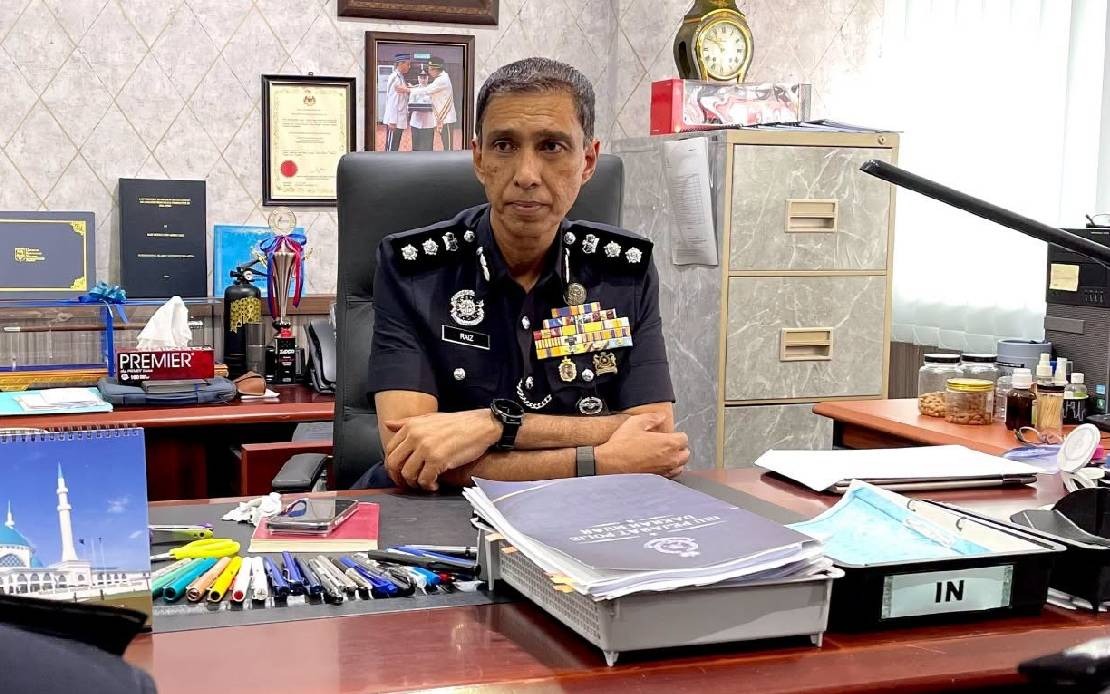
According to Muar District Police Chief ACP Raiz Mukhliz Azman Aziz, preliminary findings indicate that a Perodua Myvi driven by a 58-year-old woman abruptly veered out of its proper lane and crossed the centre line into oncoming traffic. The mishap occurred without warning, creating a collision course with a heavy goods vehicle that was traveling in the opposite direction towards Parit Jawa from Muar town centre. The violent impact that followed proved immediately fatal for the vehicle's driver.
The 83-year-old passenger, presumed to be the driver's mother based on family circumstances, initially survived the crash but succumbed to severe injuries while undergoing medical care at Sultanah Fatimah Specialist Hospital (HPSF) in Muar. Her death marked the second fatality from the incident, transforming what may have been a recoverable accident into a family tragedy. The hospital's emergency department staff were unable to stabilize her condition despite immediate interventions upon her arrival.
Meanwhile, the lorry operator, a 35-year-old man, sustained injuries to his hands and lower extremities. He received treatment at the same facility and was listed in stable condition following the collision. The presence of a professional truck driver among the casualties underscores how sudden vehicular emergencies can affect even experienced road users who have limited time to react when facing an unexpected hazard.
The precise cause of the Myvi's loss of control remains under active investigation. Police have not yet disclosed whether mechanical failure, medical emergency, distraction, or other factors contributed to the vehicle crossing into the opposing lane. Such investigations are crucial for understanding preventable causes and informing public safety recommendations to reduce similar occurrences across Malaysian highways and main roads.
Authorities have initiated formal legal proceedings under Section 41(1) of the Road Transport Act 1987, which addresses traffic violations resulting in death or injury. This legislative framework allows police to pursue charges based on their investigative findings, though the charges would typically depend on determining culpability and causation. The investigation's outcome will be significant for any potential legal consequences and for establishing a public record of the incident's circumstances.
For Malaysian road safety advocates, this accident illustrates persistent vulnerabilities in how drivers maintain lane discipline and vehicle control, particularly on regional routes where traffic volumes fluctuate throughout the day. The incident serves as a sobering reminder that momentary lapses in concentration or vehicle management can transform routine journeys into fatal emergencies. Family groups traveling together, as appeared to be the case here, face compounded risk when a single driver's error becomes catastrophic.
The Muar corridor, which connects several communities along Johor's interior, regularly accommodates both private and commercial traffic. Balancing efficient transportation with safety measures remains an ongoing challenge for local authorities and the Road Safety Department. Incidents of this severity often prompt reviews of road markings, speed limit enforcement, and driver awareness campaigns in affected areas.
Police are actively seeking public assistance in documenting the accident's full circumstances. Witnesses or individuals with relevant information are being urged to contact local authorities to support the investigation. Such public cooperation has historically proven valuable in establishing precise timelines and identifying contributing factors that may not be immediately apparent from physical evidence alone.
The deaths of both women represent a profound loss to their family and community. Such fatalities generate wider societal reflection on road safety responsibilities shared among drivers, vehicle manufacturers, road authorities, and enforcement agencies. As investigations proceed, the incident will likely contribute to ongoing discussions about preventive measures, emergency response protocols, and public education initiatives aimed at reducing fatal traffic accidents across Malaysia's road network.

