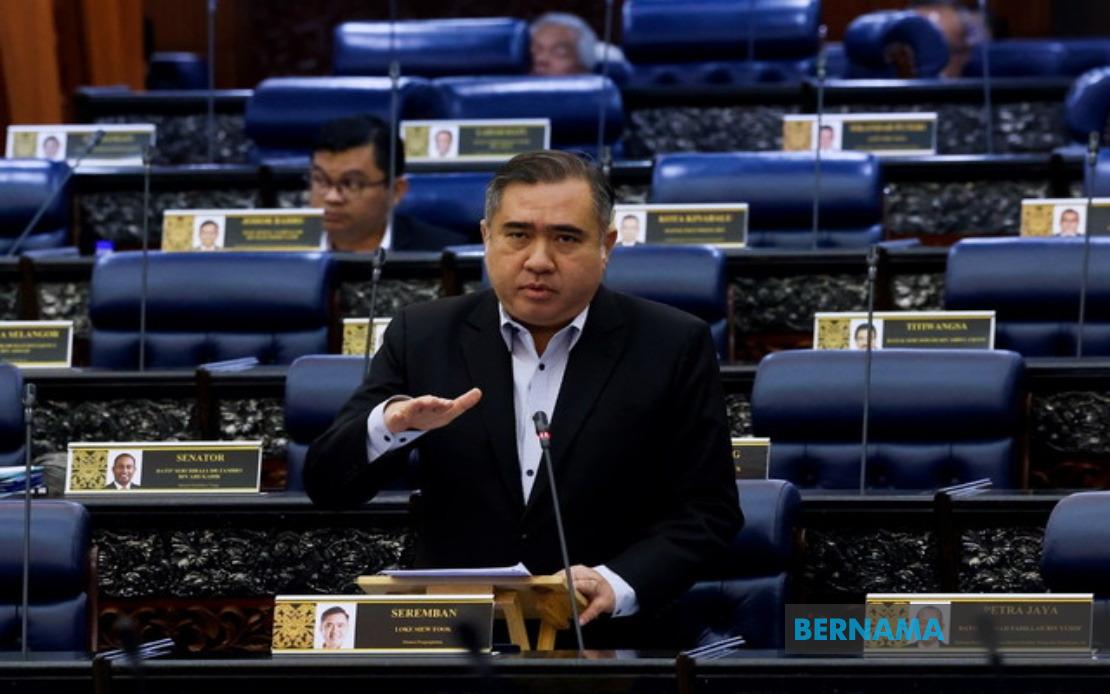
The Transport Ministry has unveiled comprehensive legislative proposals aimed at reshaping how Malaysian courts handle road accident casualties and the persistent menace of street racing. Speaking in Parliament on Monday, Transport Minister Anthony Loke announced plans to amend the Road Transport Act 1987, introducing a formal compensation framework that would empower judicial officers to order those convicted of serious driving offences to reimburse victims or their bereaved relatives for injuries, losses, and fatalities incurred. This represents a significant departure from the current legislative landscape, where compensation options have remained limited and fragmented across multiple legal instruments.
The proposed amendments reflect evolving judicial philosophy in which culpable motorists face consequences proportionate to the harm inflicted rather than standardised traffic penalties. Under the new mechanism, courts would evaluate compensation awards based on multiple variables including the severity of bodily injury or death, quantifiable losses sustained by victims or their families, and the financial capacity of the convicted offender to pay damages. This calibrated approach ensures that wealthy offenders cannot insulate themselves from meaningful financial consequences while simultaneously protecting defendants from ruinous awards they cannot realistically satisfy.
Loke framed the initiative as part of a broader strategic commitment to distinguish serious vehicular offences from routine traffic violations. Drivers who kill through reckless operation or participate in illegal street racing now occupy a different category requiring the harshest available punishments that circumstances warrant. The distinction acknowledges that these crimes destroy families and communities in ways fundamentally different from parking violations or minor speeding infractions. By elevating the legal and social stigma attached to these offences, authorities hope to deter participation through both swift punishment and social disapprobation.
The government has already introduced the Road Transport (Amendment) Bill 2026, which successfully cleared the Dewan Rakyat and introduces a dedicated provision specifically criminalising illegal racing. This represents the first time Malaysian law has created a standalone offence targeting street racing itself rather than prosecuting subsequent accidents that result. First-time offenders now face fines ranging from RM2,000 to RM10,000, imprisonment up to two years, or both. Repeat violators encounter substantially harsher consequences: fines between RM5,000 and RM20,000, imprisonment extending to five years, or both. The escalating penalty structure reflects legislative intent to eliminate recidivism through cumulative deterrence.
Crucially, this amendment permits prosecution before any accident materialises. Previously, authorities could only enforce laws after collisions occurred, meaning street racers operated in a regulatory grey zone until someone suffered injury or death. The reformation eliminates this dangerous lacuna, enabling law enforcement to intercede during racing activities themselves based purely on the illegal nature of the conduct. This proactive enforcement capability represents a fundamental shift in how road safety authorities can deploy resources, moving from reactive crash investigation toward preventive intervention.
The Transport Ministry has simultaneously intensified nationwide enforcement operations targeting the street racing phenomenon. A recent operation in Johor exemplifies this aggressive posture, resulting in 16 arrests and confiscation of 260 motorcycles implicated in illegal racing activities. These enforcement campaigns operate across multiple jurisdictions, signalling that the ministry intends to make road racing operationally impossible through consistent, widespread police action. Beyond arrests and seizures, confiscated vehicles become unavailable for future illegal use, gradually degrading the infrastructure street racers depend upon.
The high-profile tragedy that prompted this legislative urgency occurred on 1 June at Kilometre 27 of Jalan Renggam-Simpang Renggam in Johor, where a single incident claimed five lives. The Attorney-General's Chambers instructed investigators to examine this catastrophe under Section 302 of the Penal Code, which addresses culpable homicide—effectively treating the deaths as intentional crimes rather than mere traffic accidents. This prosecutorial approach underscores official determination to hold perpetrators accountable through the criminal justice system's most serious mechanisms.
Yet legislative reform alone cannot address the underlying social problem. Malaysia's roads claim more than 6,000 lives annually, a tragedy that reflects not merely inadequate laws but deeply entrenched behavioural patterns and cultural attitudes toward driving. Loke emphasised that meaningful reduction requires transformation in how Malaysians approach transportation safety—a shift in public consciousness that cannot be legislated but must be cultivated through sustained awareness campaigns, community engagement, and visible commitment from civic institutions. The minister appealed for societal cooperation transcending traditional political divisions, framing road safety as a national imperative that should supersede partisan advantage.
For Malaysian citizens and policymakers, these proposals carry immediate practical significance. Victims and families bereaved by serious traffic accidents gain a clearer legal pathway toward financial recovery from those responsible, reducing reliance on protracted civil litigation. The ability to obtain compensation through criminal proceedings streamlines justice while ensuring accountability extends beyond imprisonment. Young Malaysians, particularly motorcycle enthusiasts tempted toward illegal street racing, face crystallised legal consequences: substantial fines, imprisonment, and criminal records that damage employment prospects and social standing.
The broader regional context matters too. Southeast Asian nations grapple collectively with alarming road fatality rates, prompting policy entrepreneurs across the region to experiment with different enforcement and legislative approaches. Malaysia's emphasis on integrating compensation mechanisms into criminal procedures could influence policy conversations elsewhere in the region, particularly in nations sharing similar legal traditions and road safety challenges. However, successful implementation depends on consistent judicial application, adequate police training, and genuine political will to prosecute offenders regardless of social status or influential connections.
Critical observers note that enforcement intensity and legislative severity ultimately matter less than underlying driving culture and vehicle safety infrastructure. Illegal racing typically appeals to individuals experiencing limited economic opportunity and seeking status through vehicular prowess. Addressing this phenomenon comprehensively requires complementary initiatives addressing socioeconomic marginalisation, driver education standards, and road design that discourages dangerous speeds. The Transport Ministry's legislative proposals therefore constitute necessary but insufficient steps within a larger transformation that Malaysian society must undertake.
Implementation timelines remain uncertain despite parliamentary passage. Courts require clear guidance on compensation calculation methodologies, and magistrates need training in applying new sentencing frameworks. The next phase involves drafting detailed regulations, establishing prosecutorial protocols, and preparing law enforcement agencies to operate under expanded legal authorities. Minister Loke's appeal for cross-ministerial coordination suggests awareness that road safety transcends transportation policy alone, requiring coordinated efforts across education, health, social services, and urban planning sectors.

