The death of a Moroccan national during an arrest operation in Italy has escalated into a significant diplomatic matter, with Morocco's government formally requesting comprehensive investigation into the circumstances surrounding the incident. Italian Prime Minister Giorgia Meloni responded to the development by committing to uncover the complete facts of the case, signalling that authorities intend to conduct a thorough examination of what transpired. The statement from Rome suggests a recognition that the incident carries implications beyond domestic law enforcement, touching on bilateral relations between the two Mediterranean nations.
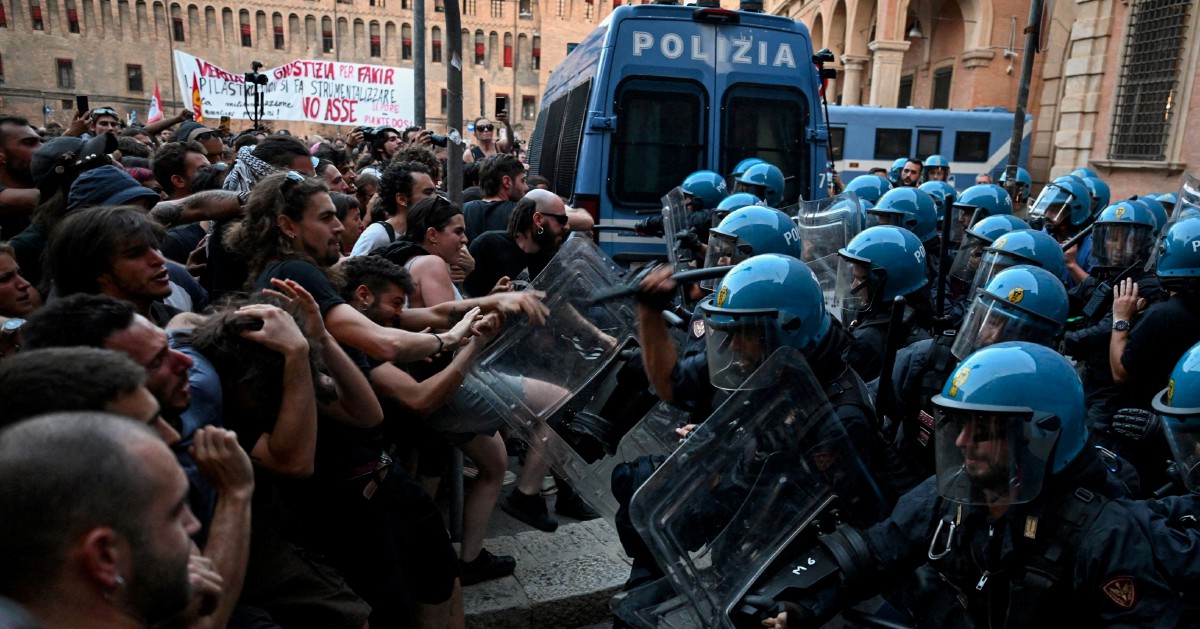
The arrest operation that led to the man's death has catalysed a wave of public demonstrations across Italy, reflecting wider concerns about police conduct during detention procedures. Protesters have taken to streets in multiple locations, demanding accountability and drawing attention to questions about the circumstances that preceded the fatal outcome. These manifestations represent a convergence of immigrant advocacy groups, human rights organisations, and concerned citizens united by apprehension over how law enforcement handles vulnerable populations during custody.
Morocco's formal request for clarification underscores the gravity with which the North African nation views the incident. The diplomatic language employed by Moroccan officials indicates a desire for transparent proceedings and credible answers regarding the sequence of events. This position reflects broader sensitivities across the Maghreb region regarding the treatment of their nationals abroad, particularly within European jurisdictions where immigration-related tensions have periodically surfaced.
Meloni's pledge to pursue truth represents a positioning by the Italian government to contain the diplomatic fallout while simultaneously maintaining legitimacy at home. Her commitment to transparency aims to demonstrate that Italian institutions will not shield police officers from scrutiny when serious allegations emerge. This stance carries political weight given Italy's recent emphasis on law-and-order governance, making the prime minister's public acknowledgement of the need for accountability particularly significant.
The incident occurs within a broader European context of heightened scrutiny regarding police use of force, particularly during interactions with immigrants and minorities. Recent high-profile deaths in other European nations have established precedent for comprehensive investigations and public accountability mechanisms. Italy faces expectations aligned with these emerging standards, placing the government under pressure to demonstrate that rigorous investigative processes are operational and will be implemented without delay.
Protests in Italian cities have adopted familiar frameworks from international social movements, emphasising systemic concerns about power imbalances between law enforcement and marginalised communities. Demonstrators have articulated demands extending beyond this single incident, connecting the death to broader patterns they contend characterise policing practices. The intersection of immigration policy, law enforcement procedures, and civil rights has become central to the public discourse surrounding the arrest.
The timing of this episode comes as Italy continues grappling with substantial migration flows across Mediterranean routes. Moroccan nationals constitute a significant portion of migrants reaching Italian shores, establishing a demographic connection that amplifies the impact of such incidents. The case therefore resonates beyond a singular tragedy, touching upon migration management policies and integration frameworks that European states are actively debating.
Bilateral relations between Italy and Morocco have historically centred on migration, security cooperation, and Mediterranean regional stability. This incident introduces an element of friction that both governments appear motivated to manage carefully. Morocco's measured diplomatic response, coupled with Italy's commitment to investigation, suggests both capitals recognise the value of preventing escalation while maintaining credibility with their respective domestic audiences and international partners.
The investigation into the death will likely encompass examination of training protocols, procedural adherence, and individual officer conduct. Medical findings regarding cause of death will constitute a foundational element determining whether charges emerge against particular officials. Italian authorities understand that the investigation's credibility hinges upon its perceived independence and thoroughness, factors that will influence whether public trust in the process can be established.
For Malaysia and Southeast Asian observers, this incident offers instructive parallels regarding migrant worker treatment and police accountability in destination countries. Malaysian workers abroad inhabit comparable vulnerability positions, and cases of death or mistreatment involving Malaysian nationals in foreign jurisdictions have previously sparked diplomatic intervention. This Italian case demonstrates how systemic questions about law enforcement practices can rapidly transcend individual incidents, acquiring geopolitical dimensions that influence bilateral relations and international reputation.
The broader implications extend to questions about immigration enforcement standards and human rights protections across different jurisdictions. Malaysia, as both a source of migrant labour and increasingly a destination country, maintains interest in international precedents regarding migrant protections and police conduct standards. How Italy resolves this investigation and addresses subsequent accountability will circulate as a reference point in regional discussions about safeguarding migrant welfare.

