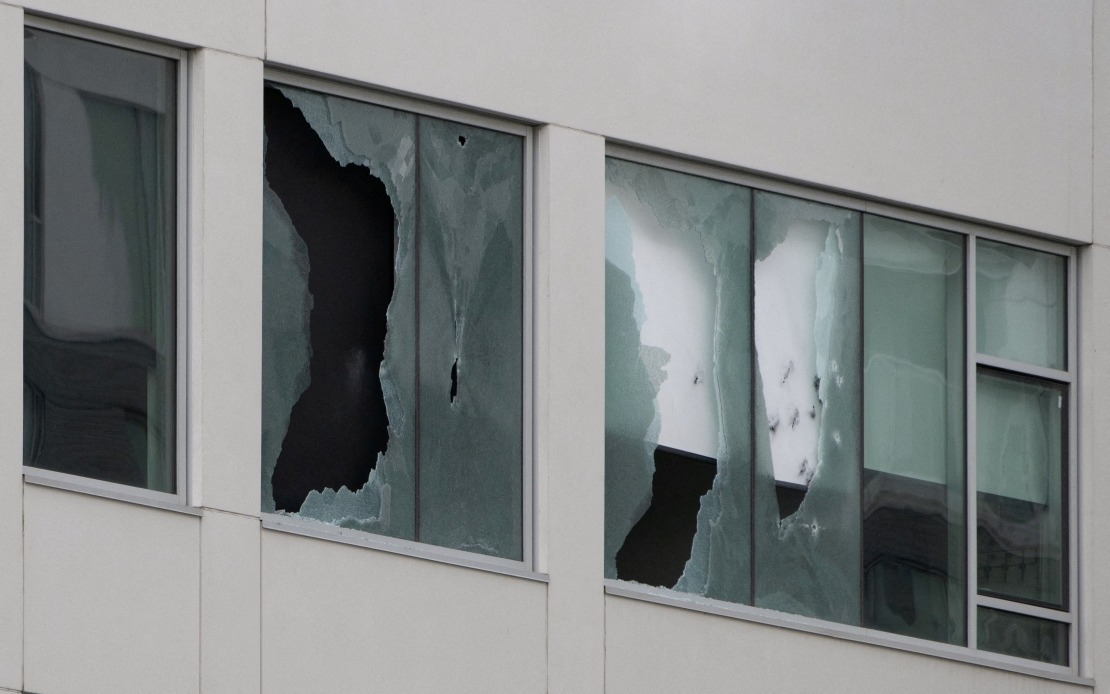
A tragic shooting unfolded in Montreal on Monday, claiming the lives of three individuals including a frontline police officer responding to the incident. The Côte-des-Neiges neighbourhood became the focal point of the city's emergency response as law enforcement officers confronted an armed assailant, ultimately resulting in a confrontation that proved fatal for the suspect as well as members of the community and the police force.
Montreal police announced the death of their colleague through an official statement on social media, expressing profound grief over the loss of an officer who was performing their duties at the time of the shooting. The force confirmed separately that a civilian resident had also been killed in the incident, while the person believed responsible for the violence was subsequently neutralised at the scene. Two additional individuals sustained injuries during the emergency, though one of the wounded officers was reported by police spokespersons to be out of immediate danger by late Monday.
When uniformed officers arrived at the location to respond to reports of an armed and dangerous person, they came under gunfire from the suspect. The intensity of the engagement necessitated an armed response, ultimately resulting in the shooter being stopped. Montreal police chief Fady Dagher briefed journalists on the operational response, noting that officers had faced direct fire upon arrival. Investigators moved quickly to secure the area and interview witnesses, with the emergency alert system later being deactivated once the immediate threat had been neutralised.
Security officials have moved to rule out any connection to organised terrorism or extremist cell activity, a significant determination that helps clarify the nature of the incident for a public accustomed to heightened vigilance following previous attacks in major Canadian cities. The investigation, which remains ongoing, has found no indication of additional suspects beyond the one individual who was killed at the scene. This assessment suggests the violence was contained to a single perpetrator rather than part of a coordinated operation.
Police cordoned off the Côte-des-Neiges area as a precautionary measure, instructing residents to remain indoors and secure their premises against any potential risk. The decision reflected standard protocol in active shooting scenarios where the location and full extent of the threat remain unclear to responding officers. Broadcaster CBC reported that the neighbourhood remained under heightened alert for several hours as investigators worked to establish a complete timeline of events.
Media investigations have suggested that the suspected attacker may have left written materials containing language and ideology associated with the incel movement, an online community characterised by anti-women sentiment and advocacy for traditional gender hierarchies. The incel movement has been linked to multiple violent incidents across North America in recent years, with adherents sometimes resorting to lethal attacks as expressions of their grievances. However, these claims regarding the shooter's ideological motivations have not yet been independently verified or confirmed by official law enforcement or security agencies conducting the investigation.
For Malaysia and the broader Southeast Asian region, this incident underscores the transnational nature of extremist online communities and the evolving threat landscape posed by isolated individuals radicalised through internet platforms rather than traditional organisational structures. The incel movement, though originating in North American online spaces, has developed international presence and has influenced individuals across different continents, including documented cases affecting countries throughout Asia.
The incident represents another casualty in the concerning trend of mass shooting incidents that plague major urban centres in North America. The loss of a police officer adds a particular dimension of tragedy, as it highlights the occupational hazards faced by law enforcement personnel who respond to active threats with limited intelligence. In the Canadian context, such incidents have prompted ongoing debates about gun control, mental health resources, and community safety measures.
The investigation into Monday's shooting will likely examine the shooter's personal history, access to firearms, any warning signs that may have been overlooked by family or acquaintances, and the extent to which online radicalisation contributed to the violence. Canadian authorities have become increasingly attuned to the dangers posed by extremist online communities following previous incidents, and this case will probably inform broader policy discussions around content moderation and early intervention programmes.
For communities across North America facing similar threats, the Montreal incident serves as a sobering reminder of the unpredictable nature of lone-actor violence and the challenges faced by law enforcement in preventing attacks that originate from individuals acting without traditional organisational backing or formal planning networks. The speed with which officers neutralised the threat prevented further casualties, though it could not avert the deaths already incurred.