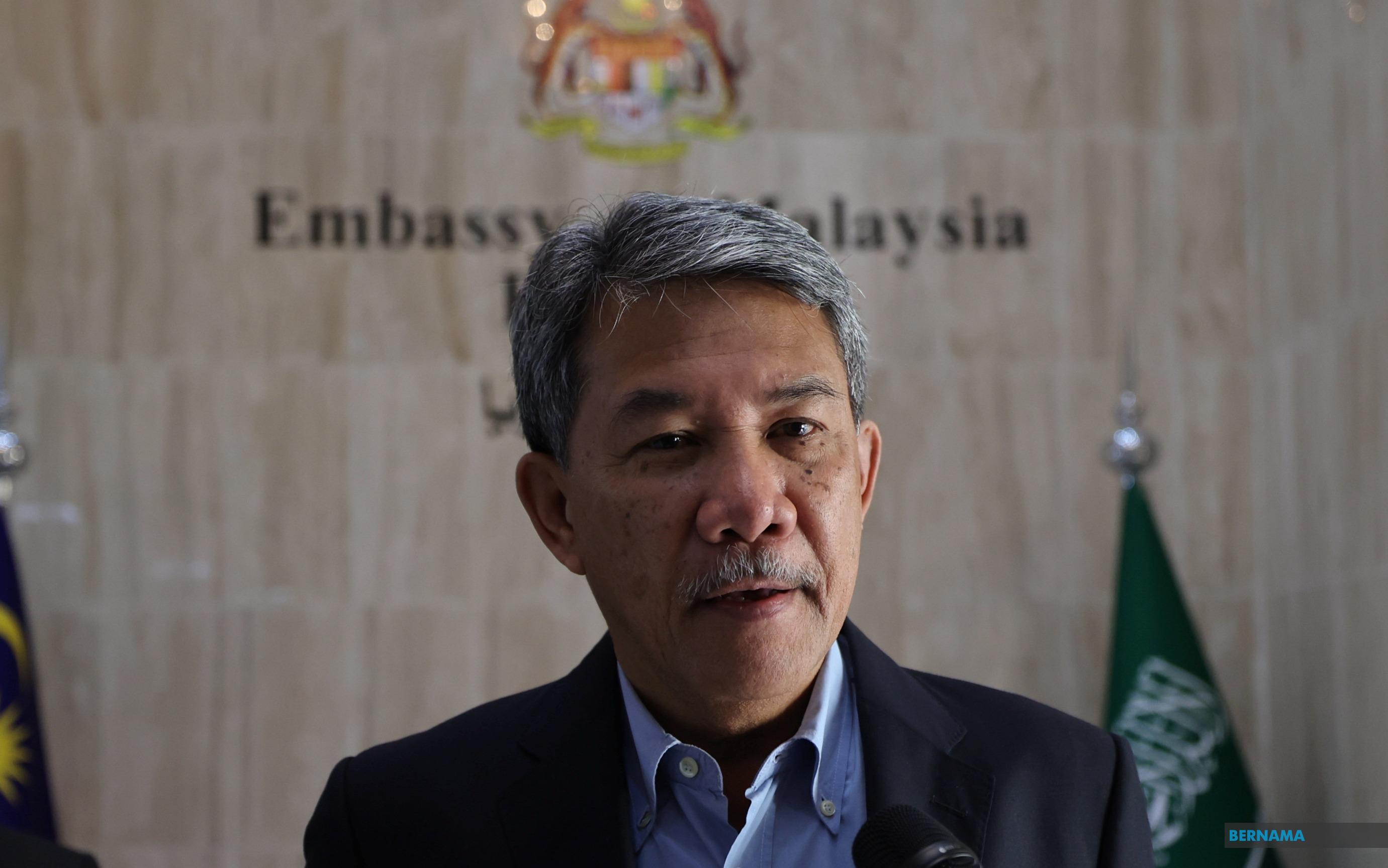
Malaysia's Foreign Minister Datuk Seri Mohamad Hasan embarks on a three-day official visit to Brunei beginning August 20, marking another important engagement in the two nations' carefully managed bilateral relationship. The visit, which concludes on August 22, is structured around two significant diplomatic milestones: the 27th Malaysia-Brunei Exchange of Letters Implementation Meeting and the parallel 27th Malaysia-Brunei Annual Leaders' Consultation, both scheduled within the same period.
The Exchange of Letters meeting, taking place on August 21, will see Mohamad Hasan sharing the chair with Brunei's Second Minister of Foreign Affairs, Datuk Seri Setia Erywan Mohd Yusof. This biennial mechanism has evolved into one of the primary platforms through which Kuala Lumpur and Bandar Seri Begawan tackle outstanding disputes and chart new collaborative ventures. The timing of this meeting reflects the diplomatic rhythm established between the two neighbouring nations, allowing their foreign ministries to report on progress and reset priorities ahead of the more senior-level consultations that follow.
During the EOL deliberations, both ministers will examine headway made on longstanding boundary questions affecting the two countries. Land and maritime demarcation issues have long occupied the attention of both governments, requiring sustained dialogue and technical coordination between relevant agencies. Beyond boundary matters, the agenda encompasses evaluation of implementation progress on agreements reached during last year's 26th Annual Leaders' Consultation, demonstrating how these bilateral mechanisms operate in concert to maintain continuity in the relationship.
The 27th Annual Leaders' Consultation scheduled for August 22 elevates discussions to the highest political level, bringing together the top political decision-makers from both capitals. These consultations traditionally cover the full spectrum of bilateral engagement, from immediate diplomatic concerns to long-term strategic alignment. For Malaysia, such interactions with Brunei—a fellow member of the Association of Southeast Asian Nations—carry particular weight given their shared maritime space, overlapping economic interests, and cultural connections.
Economic cooperation stands as a significant component of this visit's agenda. Trade data reveals the quantitative dimensions of the relationship: during 2025, bilateral commerce reached RM5.86 billion, equivalent to approximately USD 1.37 billion. More recent figures from the first half of 2026 show RM2.38 billion in trade, translating to USD 0.6 billion. While these numbers may appear modest compared to Malaysia's trade with larger partners, the relationship's strategic importance transcends raw volume. Brunei's energy sector remains intertwined with broader regional economic dynamics, and Malaysian businesses maintain significant stakes in various Bruneian ventures.
The first-half 2026 trade figures warrant closer scrutiny when contextualised against annual trends. Annualised projections from January to June 2026 data suggest a potential full-year figure substantially below 2025's performance, signalling either seasonal fluctuations or shifts in bilateral commercial momentum. This backdrop makes economic discussions during Mohamad Hasan's visit particularly timely, as both governments will likely explore mechanisms to revitalise trade and investment flows, potentially through deepened sectoral cooperation or removal of trade barriers.
For Malaysian readers, this visit underscores the sustained diplomatic engagement required to manage bilateral relationships in Southeast Asia, particularly with neighbours where historical disputes and competing interests necessitate regular high-level contact. The twin-track approach—technical discussion at the foreign ministry level followed by political direction from top leadership—exemplifies modern ASEAN-style diplomacy, emphasising consensus-building and conflict avoidance through structured channels.
Brunei's small but resource-rich economy has undergone significant diversification efforts in recent years, moving beyond oil and gas dependence. Malaysia, as a more industrialised neighbour with diverse economic capabilities, represents both a complementary partner and a potential competitor in regional markets. The talks between Mohamad Hasan and Erywan Mohd Yusof will likely address these dynamics, exploring whether enhanced cooperation in emerging sectors such as renewable energy, digital economy, or halal industries might benefit both nations.
The boundary question remains the most technically complex element of these discussions. Malaysia and Brunei's maritime frontier is defined by various agreements, yet continental shelf claims and exclusive economic zone demarcation continue requiring periodic review and refinement. Similarly, land boundaries involve historical agreements whose implementation occasionally generates clarifications or adjustments. By institutionalising these discussions through the EOL mechanism, both countries avoid allowing disagreements to fester while maintaining the patience needed for maritime negotiations that often span decades in the region.
From a regional perspective, Malaysia's diplomatic engagement with Brunei reflects ASEAN's emphasis on maintaining intra-regional harmony and cooperation. Such visits, while relatively routine from a diplomatic standpoint, carry symbolic importance in projecting stability and mutual respect among member states. The predictability of these annual consultations and their structured nature help anchor the broader ASEAN framework, demonstrating that even complex bilateral relationships can be managed through dialogue and institutional mechanisms.
Looking forward, these consultations will likely shape bilateral priorities for the coming year. Any breakthroughs in boundary discussions would represent meaningful progress given the technical and political sensitivity of such matters. Similarly, concrete initiatives to boost economic engagement could provide tangible benefits to businesses and investors in both nations, potentially setting the stage for deeper sectoral integration that aligns with both countries' longer-term economic development strategies.

