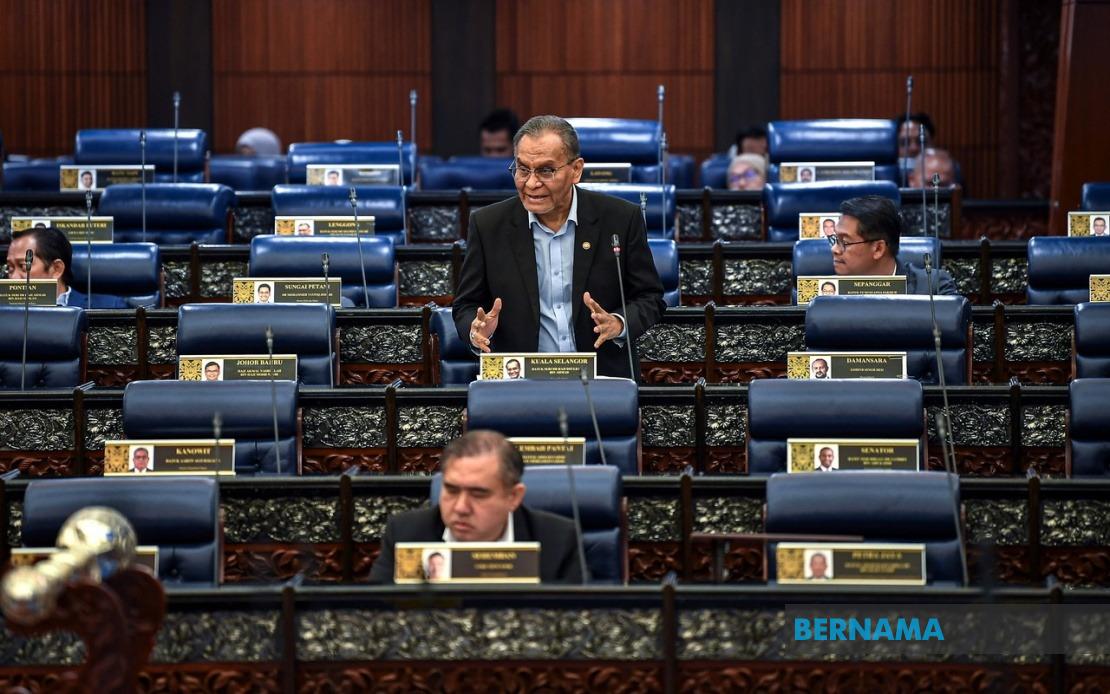
Malaysia's Health Minister Datuk Seri Dr Dzulkefly Ahmad has reaffirmed the government's determination to keep private clinic operations afloat through targeted support mechanisms, acknowledging the critical role these facilities play in the nation's healthcare framework. Speaking during parliamentary question time, Dr Dzulkefly outlined a comprehensive approach combining outsourcing opportunities with regulatory adjustments aimed at maintaining the competitiveness and viability of private general practitioner clinics in an increasingly challenging market environment.
The private healthcare sector in Malaysia faces mounting pressures that threaten its long-term sustainability. According to parliamentary records, the number of private medical clinics that have shuttered since 2013 stands at 2,034 establishments—a figure that underscores the severity of challenges confronting independent practitioners. Beyond raw closure numbers, the sector grapples with declining interest among medical graduates pursuing GP work in private settings, a troubling trend that portends further consolidation if left unaddressed. Dr Halimah Ali, the parliamentary member who raised the issue, specifically highlighted the shortage of house officers entering the private primary healthcare sector as a key driver of instability.
Recognising these structural headwinds, the government has already moved to implement concrete measures designed to improve the financial viability of private practitioners. Most notably, the Health Ministry has elevated the minimum consultation fee for private medical practitioners from its previous RM10 level to RM80 under existing regulatory frameworks. While this represents an eight-fold increase, the adjustment reflects economic realities and the rising operational costs faced by independent clinics, from rental and utilities to staff salaries and medical supplies. The fee revision represents one of the most tangible levers available to government in supporting the sector without direct fiscal expenditure.
Dr Dzulkefly's personal experience navigating clinic closures during the COVID-19 pandemic appears to have sharpened his perspective on the issue. The pandemic exposed the vulnerability of private practitioners operating with thin margins, as patient volumes plummeted amid lockdowns and public anxiety about disease transmission. His acknowledgment of having dealt with these closures firsthand suggests a government that is not merely issuing platitudes but drawing on lived experience to shape policy responses. This pragmatic grounding distinguishes the current approach from previous periods when private sector challenges received less ministerial attention.
The outsourcing arrangements Dr Dzulkefly referenced represent a novel avenue for stabilising private clinic revenues. By formalising contractual relationships between government health authorities and private practitioners for specific services—whether preventive care, minor procedures, or disease management—the ministry creates predictable income streams that help offset the volatility of walk-in consultations. Such arrangements essentially position private clinics as subcontractors within the broader public health ecosystem rather than purely market-dependent entities competing in isolation. This model has precedent in other Southeast Asian healthcare systems, where public-private contracting has become increasingly sophisticated.
The scale of Malaysia's primary healthcare system underscores why this sector matters for national health security. The ministry oversees 2,916 government health clinics while private practitioners operate 10,208 establishments—meaning private facilities substantially outnumber public ones. This distribution places private GPs at the frontline of primary care delivery, handling routine consultations, chronic disease management, and initial screening that prevents unnecessary hospital admissions. The loss of 2,034 clinics since 2013 therefore represents not merely business failures but genuine erosion of healthcare access across the country, particularly in less dense areas where economics make clinic operation marginal.
Integration between public and private providers around non-communicable disease management stands as a particularly promising avenue for mutual benefit. Conditions like diabetes, hypertension, and chronic respiratory disease consume vast hospital resources yet remain largely manageable in primary care settings when patients receive consistent monitoring and medication adjustment. By formalising collaborative arrangements whereby private clinics manage stable NCDs while referring complex cases to public hospitals, the system achieves better resource allocation. Government hospitals become freed to focus on acute cases and complications, while private practitioners gain a stable patient population requiring ongoing care—the inverse of the feast-or-famine consulting patterns that currently plague many practices.
The 13th Malaysia Plan's incorporation of NCD disease management through public-private collaboration signals that this integration is not aspirational rhetoric but embedded within medium-term development strategy. This signals to private practitioners that government views them as legitimate partners in national health objectives rather than competitors to be tolerated. Such positioning change carries psychological and practical significance—practitioners operating within a formalised collaboration framework experience greater certainty about future demand than those purely dependent on retail medical transactions.
International examples cited during parliamentary debate—specifically the United Kingdom and Taiwan—illustrate functional models for such integration. Both nations have mature systems where private primary care providers operate within coordinated networks rather than in isolation, with clear referral pathways to public specialists and hospitals. These systems benefit from regulatory clarity, standardised clinical protocols, and mechanisms for data sharing across sectors. Malaysia's policymakers appear cognisant that aspirational integration requires institutional architecture, not merely goodwill between sectors.
The Ministry's explicit commitment to ensuring private clinics not merely survive but thrive reflects recognition that a hollowed-out private sector ultimately damages the entire health system. Government hospitals already operate under severe bed and staffing constraints; further concentration of patient demand would risk system breakdown. Conversely, a vibrant private sector operating in genuine partnership with public providers creates a resilient two-tier system where each segment reinforces rather than undermines the other. This interdependence frames support for private practitioners not as subsidy but as systems-level necessity.
Implementing these commitments will require sustained follow-through across multiple ministry departments and state health authorities. Outsourcing arrangements demand contract negotiation, service specifications, and payment mechanisms—bureaucratic infrastructure that does not emerge spontaneously. Training programmes will need adjustment to make private practice more attractive to graduating doctors. Regulatory sandboxes might permit innovative clinic models to test sustainability concepts. The real test of the Health Minister's commitment will emerge over coming quarters as these interventions transition from parliamentary commitment to operational reality.