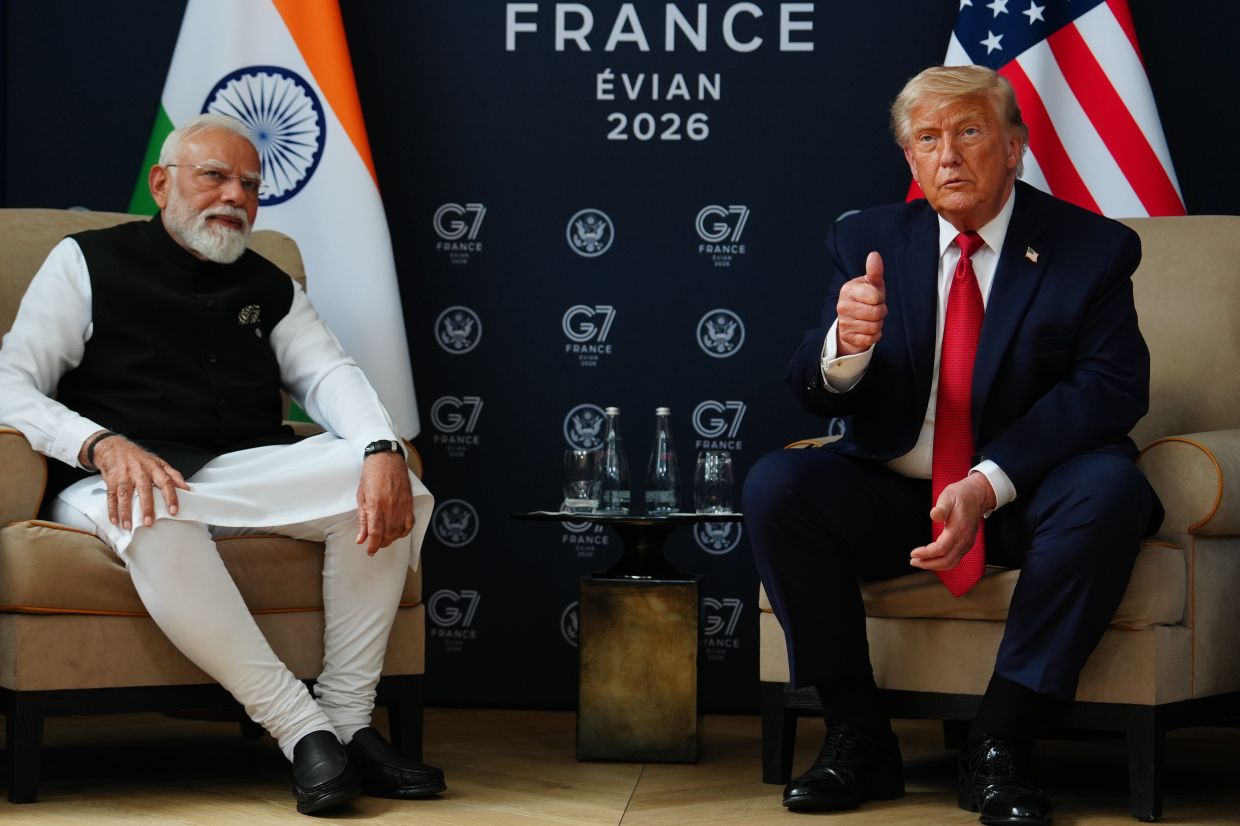
Indian Prime Minister Narendra Modi emerged from his meeting with President Donald Trump at the G7 summit in Evian, France, with optimistic signals about the trajectory of negotiations between the two nations' trade teams. Following their first in-person encounter since February 2025, Modi characterised the discussions as yielding "significant progress" toward a bilateral trade agreement that has been the subject of intensive diplomatic effort for over a year. Trump, speaking to journalists on the sidelines of the gathering, echoed this sentiment by declaring that the two countries were "very close" to finalising a deal, a statement that carries particular weight given the high stakes involved for both economies.
The timing of this public optimism matters considerably for Southeast Asia and South Asia's broader economic architecture. A successful US-India trade agreement would reshape supply chain dynamics across the Indo-Pacific region and potentially offer alternative trading pathways as countries reassess their dependence on Chinese manufacturing and markets. For Malaysia, such a pact could create opportunities for integration with Indian supply chains, particularly in sectors like semiconductors, pharmaceuticals, and petrochemicals. The announcement comes as regional economies grapple with uncertain trade conditions created by unilateral American tariff policies that have affected multiple nations simultaneously.
Modi's government has set an ambitious target of pushing bilateral commerce to US$500 billion by 2030, more than double current volumes. This goal underlies the urgency both governments have displayed in their negotiating positions, with multiple rounds of talks held to bridge differences over market access and tariff schedules. The interim agreement framework represents a strategic pivot in how the two democracies approach each other's economic concerns, moving beyond sporadic diplomatic gestures toward substantive structural changes in trade relationships.
India's Commerce Minister Piyush Goyal had previously indicated in early June that negotiators were approximately 99 percent complete with the first phase of the comprehensive deal, suggesting that final administrative and legal hurdles rather than fundamental disagreements now separate the two sides from formal agreement. The statement from India's foreign ministry explicitly noted that Modi and Trump had directed their respective trade officials to accelerate work toward achieving a "commercially meaningful agreement at the earliest," language that typically precedes formal signature ceremonies within months rather than quarters.
US Trade Representative Jamieson Greer is scheduled to visit India the following week to conduct further talks, underlining the timetable both capitals wish to maintain. This pattern of high-level official visits between the commercial negotiating teams reflects confidence that the broad strokes have been settled and that remaining issues involve technical specifications and implementation mechanisms rather than conflicting economic philosophies or political red lines.
The path to this juncture has been surprisingly rocky despite the apparent alignment of strategic interests between Washington and New Delhi. Earlier negotiations had reached an initial understanding in February, but momentum stalled when the US Supreme Court struck down Trump's sweeping tariff measures. The subsequent Trump administration response involved launching formal investigations into alleged unfair trade practices targeting several countries, including India, while simultaneously imposing a blanket 10 percent tariff regime that complicated the negotiating environment considerably.
These broader tariff disputes have created genuine complications for Indian exporters and manufacturers who depend on American market access for agricultural products, textiles, steel, and information technology services. The uncertainty created by shifting American trade policies has forced Indian companies to hedge their investment decisions and prompted government officials to seek clarity about long-term market conditions. A finalised bilateral agreement would provide the regulatory certainty that both trade-dependent sectors and multinational corporations operating across both markets desperately need.
Beyond commerce, Modi also raised critical security concerns with Trump regarding the safety of Indian maritime workers operating in one of the world's most volatile shipping corridors. Three Indian seafarers were killed on June 10 when the United States struck a commercial vessel off Oman in operations related to Middle East tensions. Modi requested that Trump's administration prioritise Indian worker safety as part of broader implementation of any Iran-US agreements aimed at de-escalating Middle Eastern conflicts. This intervention reflects India's acute vulnerability to instability in the Persian Gulf region and its vital energy security interests.
The Middle East conflict has imposed substantial economic costs on the Global South, particularly for energy importers like India. Tehran's closure of the Strait of Hormuz has throttled energy supplies and disrupted the stable flow of oil and gas upon which Indian economic growth substantially depends. Modi warned during the summit that disruptions to fuel, fertiliser, and food supply chains triggered by the regional conflict would continue reverberating through developing economies for an extended period, a reality that makes stable American trade relationships even more important for offsetting other economic headwinds.
The sequence of Modi's strategic priorities—securing trade agreement progress while simultaneously addressing Middle East security implications—reveals how India navigates its position between multiple great powers and competing economic pressures. By demonstrating that trade discussions have achieved tangible momentum, Modi can return to New Delhi with political capital to present to domestic manufacturers and exporters awaiting clarity. Simultaneously, raising maritime safety concerns elevates Indian interests in American Middle East policy, signalling that commercial relationships carry diplomatic weight on multiple fronts.
For Malaysia and other Southeast Asian nations monitoring Indo-Pacific economic developments, the emerging US-India trade framework carries indirect but meaningful implications. Should the agreement succeed, it would validate the bilateral approach to commercial relationships as an alternative to multilateral frameworks that have proven difficult to negotiate and implement. Malaysia's own efforts to deepen trade relationships with both India and the United States would benefit from demonstrable proof that the two countries can resolve differences and establish durable commercial partnerships that survive political transitions and tariff volatility.
The agreement's potential completion would also offer a counterweight to concerns about American trade policy unpredictability. If Washington can conclude a substantial deal with India while simultaneously managing tariff disputes and implementing broader strategic policies, it suggests that American negotiators operate according to discernible logic rather than pure political caprice. This perception matters for other trading partners considering whether to invest in negotiating with the Trump administration or adopt defensive trade postures.