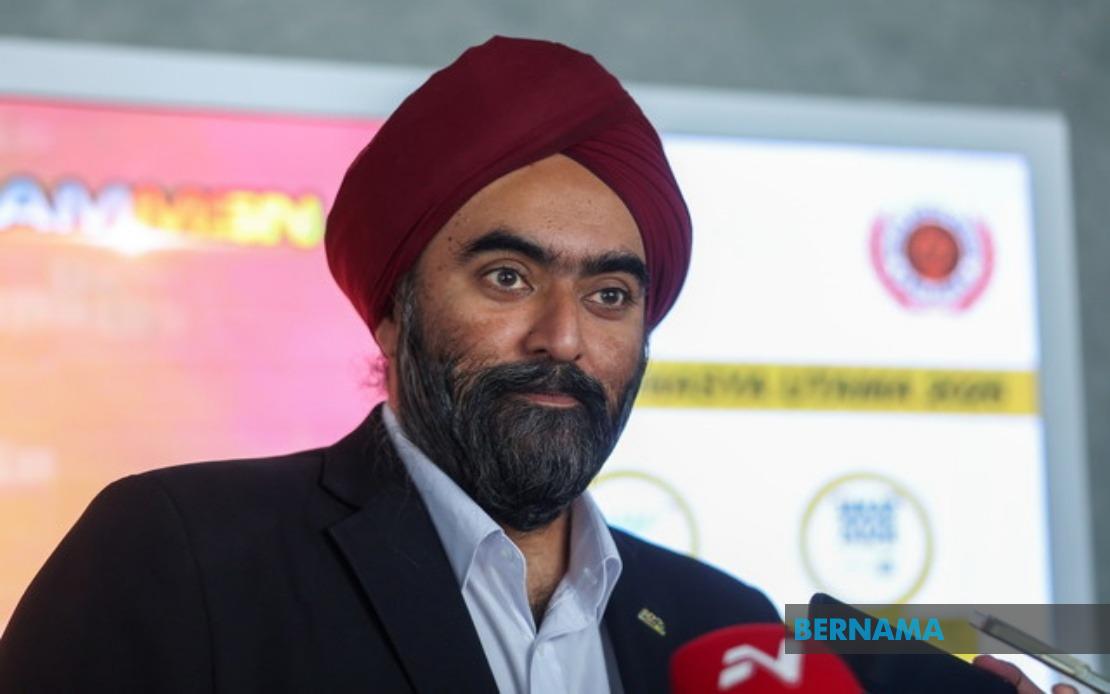
The Malaysian National Cycling Federation has moved to break an impasse with Yayasan Sime Darby by calling for immediate high-level discussions aimed at restoring the postponed YSD Track Cycling and BMX Series 2026. The development signals growing concern within the cycling administration that the disruption could jeopardise a crucial talent pipeline for Malaysia's cycling programme if negotiations stall further.
Datuk Amarjit Singh Gill, the MNCF president, emphasised that resolving the standoff requires urgent engagement between top executives from both organisations. Speaking at the launch of Le Tour de Langkawi 2026 in Putrajaya, he underscored that the underlying difficulties, while real, are not insurmountable if both parties approach the matter with goodwill and professional conduct. His measured tone suggested a determination to depersonalise what appears to be a dispute rooted in operational and administrative differences rather than fundamental strategic disagreements.
Yayasan Sime Darby had previously attributed the series postponement to technical issues stemming from the MNCF's operations. However, Amarjit stopped short of characterising the situation as contentious, instead framing it as a matter requiring the kind of structured dialogue that normally resolves friction between institutional partners in Malaysian sport. He stressed that mutual recognition of respective roles as equal stakeholders forms the bedrock of any productive partnership, a principle he suggested had been overlooked in recent dealings.
The timing of this public appeal is significant. The YSD Track Cycling and BMX Series represents a vital competitive pathway for developing young cyclists in Malaysia, offering structured racing opportunities that help identify and nurture talent destined for national representation. A prolonged postponement risks disrupting the developmental trajectory of emerging athletes who depend on consistent competition to hone their skills and gain selection experience. For a cycling programme already working to rebuild international competitiveness, such disruptions carry substantial long-term costs.
Amarjit's characterisation of both organisations as equal strategic partners hints at a possible source of friction: perceptions of hierarchy or unequal treatment in decision-making processes. Corporate sponsors like Yayasan Sime Darby often expect significant input into programme management and outcomes, while sport federations typically jealously guard their autonomy in technical and competitive matters. Finding equilibrium between these perspectives often determines whether sponsorship relationships flourish or fracture.
The MNCF president made clear that his organisation values Yayasan Sime Darby's financial and institutional support for Malaysian cycling development. This acknowledgment of the sponsor's importance, coupled with explicit openness to meeting at the sponsor's convenience, signals the federation's willingness to make concessions in pursuit of programme continuity. Such flexibility may be calculated to demonstrate good faith and create space for substantive negotiations without either party losing face.
The broader context matters here. Securing reliable corporate sponsorship for developmental sports programmes has grown increasingly challenging in Malaysia, where sponsors face competing demands on their corporate social responsibility budgets. If the MNCF and Yayasan Sime Darby cannot resolve their differences amicably, the fallout could damage both organisations' reputations and discourage other potential sponsors from committing to cycling initiatives. The cycling community will be watching closely to see whether this latest overture from the federation yields tangible movement toward resolution.
Amarjit's insistence that the matter requires mutual respect rather than detailed public commentary suggests a preference for confidential negotiation over media pressure. This approach reflects standard practice in resolving disputes between corporate sponsors and sports bodies, where public disputes often harden positions and make compromise more difficult. By appealing directly for talks rather than trading accusations, he is attempting to preserve the relationship while still making clear that the federation takes the postponement seriously.
For Malaysian cyclists, particularly junior competitors depending on the series for competitive experience and selection opportunities, the extended postponement represents lost momentum. Cycling is increasingly competitive internationally, and breaks in training schedules and competition calendars can have ripple effects throughout an athlete's season and career trajectory. The longer the series remains suspended, the greater the opportunity cost for the talented cohort that depends on it.
Looking ahead, the resolution of this impasse will likely depend on whether both parties can articulate a framework addressing the technical issues Yayasan Sime Darby identified without compromising the MNCF's operational independence. Solutions might include enhanced reporting mechanisms, clearer protocols for decision-making, or adjusted governance structures that formalise the sponsor's input while preserving the federation's day-to-day authority. The specifics matter less than whether both sides view any agreement as a fair accommodation of their respective interests.
The Le Tour de Langkawi announcement provided an appropriate moment for Amarjit to pivot from the domestic track cycling complications toward Malaysia's most internationally visible cycling event. Yet his emphasis on resolving the YSD series matter reflected genuine urgency about restoring programming that feeds the talent pipeline beyond elite road racing. The federation's handling of these negotiations will influence its credibility with other potential sponsors considering commitments to Malaysian cycling in coming years.

