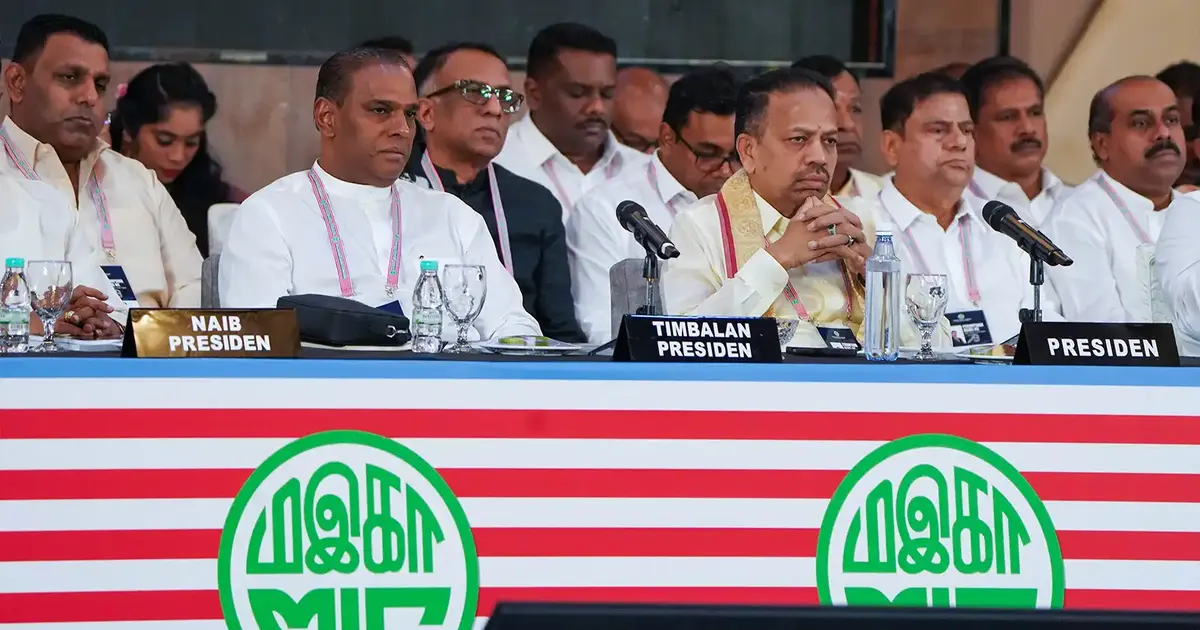
The Malaysian Indian Congress (MIC), a long-standing component of the Barisan Nasional coalition, is set to mount defensive campaigns in two seats during the forthcoming Johor state election, marking a measured approach to seat allocation within the broader BN framework. This defensive strategy reflects the party's positioning within the coalition whilst simultaneously accounting for larger electoral dynamics across the southwestern state.
As part of broader negotiations within the BN machinery, MIC and its coalition partner Umno have undertaken a seat-swapping arrangement that will see the Indian-based party relinquishing one constituency to the Malay-dominant party. This type of coalition horse-trading is not uncommon within Barisan Nasional, where component parties negotiate electoral territory based on historical performance, demographic considerations, and party strength in specific constituencies. The arrangement underscores the ongoing internal dynamics within the coalition as it seeks to maximise overall electoral performance across Johor.
Overall, MIC is expected to contest a total of four seats in the Johor state polls, positioning the party as a moderate participant in the broader election battle. This figure represents a significant slate for the party, demonstrating continued relevance within the BN structure despite demographic and political shifts affecting Indian-Malaysian voter patterns. The four-seat allocation reflects negotiations that sought to balance coalition interests with MIC's aspirations to maintain parliamentary and state assembly representation.
The Bukit Batu constituency features prominently in MIC's electoral plans, with this seat representing a key battleground where the party is expected to field a candidate. The constituency carries particular significance for the party as part of its defensive mandate, suggesting that MIC has identified this area as a stronghold or competitive ground where it believes viable victory is achievable. Bukit Batu's inclusion in MIC's target list indicates the party's assessment of its prospects and strategic priorities within Johor's electoral landscape.
The seat-sharing arrangement with Umno reflects the hierarchical nature of coalition politics in Malaysia, where larger or more influential component parties often secure additional constituencies. Umno's acquisition of the additional seat through the swap arrangement aligns with the party's dominant position within Barisan Nasional and its traditional electoral strength in Johor. This dynamic has characterised BN negotiations for decades, though it occasionally generates tensions when smaller components feel marginalised or undervalued.
For Malaysian readers, particularly those of Indian descent in Johor, MIC's electoral approach carries significance regarding community representation at the state level. The party has historically served as the primary political vehicle for Indian Malaysian interests within the BN framework, though its electoral fortunes have fluctuated considerably over recent election cycles. The upcoming Johor contest will serve as a barometer of the party's continuing appeal to its traditional voter base and its ability to compete in increasingly diverse constituencies.
The timing of these seat allocation announcements demonstrates the BN coalition's preparation ahead of the state election, with component parties working to finalise candidate selection and campaign strategies. Coalition negotiations have clearly been ongoing, involving discussions about which constituencies each party would contest and where compromises would be necessary. These internal arrangements, whilst often conducted away from public scrutiny, ultimately shape the electoral battlefield and determine how voting populations will encounter coalition representation.
For Umno, acquiring the additional seat through the MIC swap reflects the party's continued dominance within the Johor political environment and broader Barisan Nasional structure. Umno's capacity to negotiate favourable seat allocations across multiple constituencies underscores its position as the coalition's largest and most electorally significant component. This asymmetry in bargaining power influences how BN seats are distributed and shapes which parties contest in which areas.
The MIC's strategy of defending existing seats whilst engaging in tactical swaps suggests the party is taking a pragmatic approach to the election rather than pursuing aggressive expansion. This cautious positioning may reflect realistic assessments of electoral competitiveness in Johor and the party's resource constraints compared to larger coalition partners. Such strategies are common for smaller component parties seeking to protect existing representation rather than risk resources on marginal constituencies.
Regionally, MIC's electoral performance in Johor carries implications for broader Indian Malaysian political participation across Southeast Asia's largest democratic systems. As Malaysia continues to experience demographic and political evolution, the role of community-specific parties like MIC remains contested terrain. The Johor election will provide data about whether such parties retain meaningful electoral support or whether Indian Malaysian voters are increasingly fragmenting across multiple political vehicles.
The broader BN coalition's approach to seat allocation, exemplified through these MIC-Umno negotiations, reflects calculations about maximising overall electoral performance whilst maintaining internal coalition balance. By allowing larger components to expand representation in certain areas whilst smaller components defend existing strongholds, the coalition attempts to present a united front whilst accommodating diverse internal interests. However, such arrangements also risk alienating smaller component parties if negotiations consistently favour larger partners.
Moving forward, MIC's performance in these four contested seats will be closely monitored not only by coalition observers but also by Indian Malaysian communities watching whether their traditional political representatives can deliver substantive state-level influence. The party faces pressure to demonstrate continued relevance whilst operating within a coalition structure that sometimes marginalises component parties with smaller populations or electoral clout. The Johor election will thus test whether MIC can translate its four-seat allocation into actual parliamentary representation and meaningful policy influence at the state government level.