Malaysia's golf administrators are taking concrete steps to elevate the sport's competitive standing at the regional level, with the Malaysian Golf Association formally requesting government support to establish a permanent national coaching position. The initiative comes as the country prepares to host the Southeast Asian Games in 2027, placing additional pressure on local federations to field competitive squads across multiple disciplines. The MGA's push represents a strategic shift toward professionalising the sport's infrastructure, moving away from ad-hoc arrangements toward a more sustainable, long-term player development model.
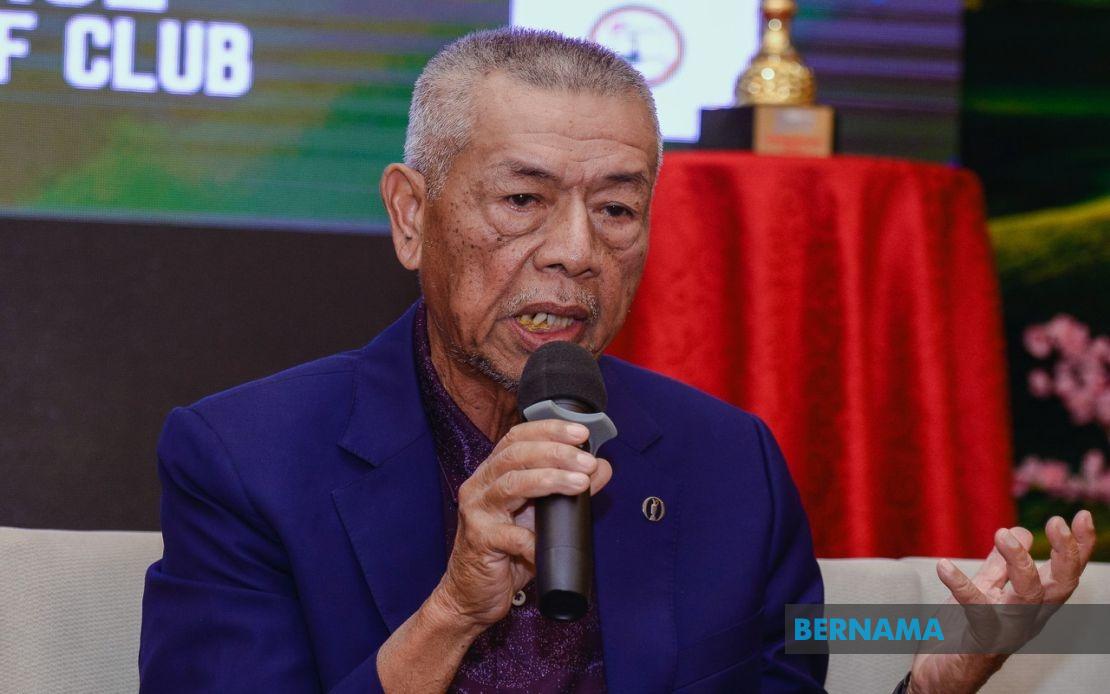
Tan Sri Mohd Anwar Mohd Nor, the MGA president, outlined the association's agenda during discussions with the Ministry of Youth and Sports (KBS), highlighting the coaching position as central to achieving their objectives for the upcoming regional competition. The request was formally communicated to Datuk Rahimi Ismail, the ministry's secretary-general, underscoring the importance that golf administrators place on securing institutional backing. Such conversations between sports federations and government ministries are typical in Malaysia's sports governance framework, where federal support often determines the viability of comprehensive athlete development programmes.
The recruitment of a high-calibre golf coach represents more than a personnel matter—it signals the MGA's commitment to establishing rigorous, science-based training protocols that have become standard in competitive international golf. Mohd Anwar emphasised that the association is actively seeking assistance to identify a coach with substantial credentials, suggesting an openness to both domestic and potentially international expertise. This approach reflects broader trends in Southeast Asian sports, where nations increasingly invest in foreign specialists to accelerate performance improvements and close gaps with more established golfing nations.
The coordination between the MGA, the Ministry of Youth and Sports, and the National Sports Council (NSC) illustrates Malaysia's multi-layered approach to sports development. These three entities must work in concert to allocate resources, set priorities, and ensure that initiatives align with national sports policy objectives. For golf, this collaborative framework is particularly important given the sport's relatively niche profile compared to mass-participation disciplines, requiring targeted investment and strategic planning to generate competitive returns.
Beyond coaching infrastructure, the MGA has begun mapping out a comprehensive preparation schedule that extends beyond traditional training facilities in the Klang Valley. The association has explored possibilities for conducting intensive training camps in Sarawak, demonstrating willingness to utilise the country's geographic and resource diversity to enhance player conditioning and experience. Mohd Anwar's recent engagement with Sarawak's Minister of Youth, Sports and Entrepreneur Development, Datuk Seri Abdul Karim Rahman Hamzah, suggests receptiveness from state-level governments to support these initiatives, a crucial consideration for programmes requiring sustained funding and logistical coordination across regions.
The 2027 SEA Games represents a pivotal moment for Malaysian golf, as hosting duties typically create heightened expectations for domestic medal performance. Unlike larger nations with established golf programmes, Malaysia must balance developmental aspirations with realistic competitive targets, making efficient use of coaching expertise and training resources essential. The pressure to perform well at home often catalyses institutional reforms and investment that might otherwise face budgetary constraints, providing an opportunity to embed lasting improvements in the sport's infrastructure.
The launch of the 100PLUS MGA National Junior Development Programme (NJDP) Junior Series 2026 during Mohd Anwar's press conference at The Mines Resort & Golf Club underscores the association's focus on grassroots talent identification and nurturing. This junior development pathway complements the senior-level preparations for 2027, creating a pipeline that sustains competitive depth across age groups. Such structured progression models have proven effective in sports where technical skill and mental resilience develop over extended periods, making early identification and coaching particularly valuable.
For Malaysian sports more broadly, the MGA's initiative reflects a shift toward evidence-based decision-making in federation management. Rather than relying on volunteer expertise or occasional guest coaching arrangements, the association is advocating for institutional mechanisms that provide consistency, accountability, and professional standards. This evolution mirrors developments in other Malaysian sports bodies that have increasingly recognised the competitive advantages conferred by stable, well-resourced coaching structures.
The government's response to the MGA's request will likely influence broader perceptions of state support for non-mainstream sports in Malaysia. While football and badminton command substantial public resources, golf occupies a distinctive niche, neither a mass-participation sport nor a traditional Olympic medal-winning discipline. Yet golf's international competitive calendar and professional pathways mean that investment in domestic talent development can yield tangible returns in terms of player earnings, global rankings, and prestige for the country on the international sporting stage.
Moving forward, the success of these initiatives will hinge on securing both financial commitment and political backing at multiple government levels. The MGA's multifaceted approach—combining coaching reform, structured junior development, state-level partnerships, and targeted preparation programmes—demonstrates strategic thinking about the complex requirements of modern sports preparation. Should the Ministry of Youth and Sports and NSC provide the requested resources, Malaysia could establish a template for how smaller sporting federations can compete effectively despite resource constraints, leveraging planning, coordination, and targeted investment to achieve competitive objectives.