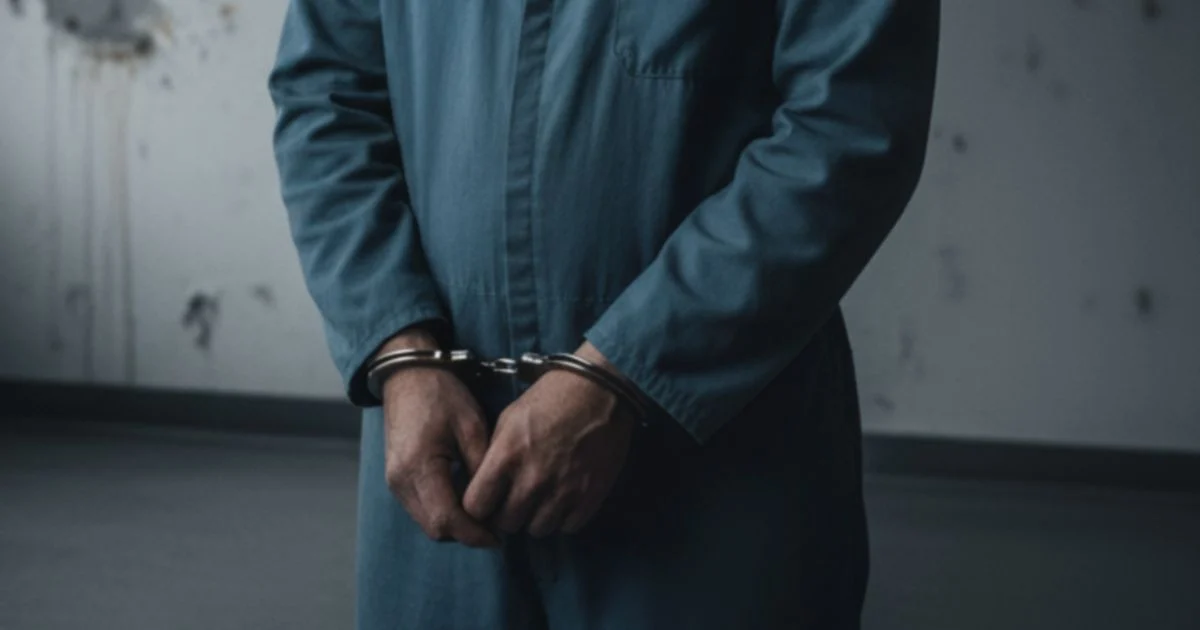
Mexican authorities have apprehended a man suspected of orchestrating the theft of several bronze sculptures from a church courtyard in Mexico City, including celebrated works by surrealist artist Leonora Carrington. The arrest was announced on Wednesday, marking a significant development in an investigation that has drawn considerable attention given the cultural and artistic significance of the stolen pieces and their importance to Mexico's artistic heritage.
The incident underscores the vulnerability of valuable public artworks in urban Mexico and the challenges facing cultural institutions attempting to preserve significant pieces without extensive security infrastructure. Churches across Mexico, particularly those located in historic districts, frequently host exhibitions and maintain collections of artistic merit, yet many lack the sophisticated protective systems available to established museums and galleries. This gap in security has occasionally attracted the attention of theft rings targeting culturally important objects.
Leonora Carrington, a British-born Mexican artist and writer, achieved international renown for her contributions to surrealist art and literature throughout the twentieth century. Her bronzework represents a significant segment of the global surrealist artistic canon and commands considerable market value among collectors. Beyond monetary worth, pieces by Carrington carry substantial cultural importance as representations of twentieth-century avant-garde artistic movements and their influence on modern Mexican culture. The theft of her works therefore represents a loss extending far beyond simple property crime.
The location of the theft in Mexico City's historic quarter adds another dimension to the case, as this district contains numerous cultural landmarks and institutions serving as repositories for artistic and historical treasures. The concentration of valuable artworks in this neighbourhood has occasionally rendered it a focal point for organised theft operations. Security experts and cultural administrators have long advocated for enhanced protective measures in such areas, though resource constraints frequently limit implementation of comprehensive solutions across all institutions simultaneously.
Bronze sculptures present particular challenges for theft prevention, combining significant monetary value with substantial physical weight that complicates their removal. Professional art thieves typically possess expertise in navigating security systems, transporting stolen pieces safely, and connecting with black market networks capable of absorbing high-value cultural objects. The apparent sophistication required to steal sculptures from a church courtyard suggests the involvement of individuals with specialised knowledge rather than opportunistic petty criminals.
The investigation leading to this arrest likely involved cooperation between local police, cultural heritage authorities, and possibly interpol, given the potential for international trafficking of stolen artworks. Mexican law enforcement agencies have increasingly prioritised art theft cases following several high-profile robberies that have damaged the nation's cultural infrastructure. The recovery of stolen pieces often requires painstaking detective work involving analysis of security footage, interviewing witnesses, and tracking the movement of objects through various criminal networks.
The recovery prospects for the stolen bronzeworks remain unclear, though arrests of suspected thieves frequently result in recovery of at least some stolen items. Criminal networks dealing in cultural property typically maintain inventory of stolen pieces awaiting buyers from private collectors, corrupt institutions, or international criminal organisations. However, bronze sculptures pose advantages for recovery compared to some other art forms, as their distinctive characteristics and previous documentation make identification and eventual repatriation more feasible than for smaller, more portable items.
This case carries implications for Southeast Asian nations grappling with similar challenges regarding the protection of cultural heritage. Malaysia, Thailand, Indonesia, and other regional nations maintain extensive collections of artworks and cultural artefacts in various institutions, many of which face comparable security pressures and resource limitations. The Mexican experience suggests that comprehensive solutions require sustained investment in security infrastructure, trained personnel, and coordinated law enforcement responses rather than isolated protective measures at individual institutions.
The arrest also highlights the continuing international interest in twentieth-century modernist and surrealist artworks, which command premium prices in global art markets. Such demand creates ongoing incentives for theft from institutions insufficiently protected against organised criminal activity. Asian museums and galleries holding comparable collections warrant heightened vigilance and proactive security assessments to identify vulnerabilities before they can be exploited.
Cultural institutions throughout Mexico and beyond must now confront uncomfortable questions regarding their capacity to safeguard irreplaceable artistic heritage. Leonora Carrington's legacy encompasses not merely commercial value but represents crucial contributions to global artistic discourse that benefit from remaining accessible to researchers, students, and the broader public. The successful apprehension of the suspected thief represents a significant step toward restoring these pieces to their rightful place within Mexico's cultural infrastructure, though questions remain regarding the adequacy of preventive measures across the broader institutional landscape.

