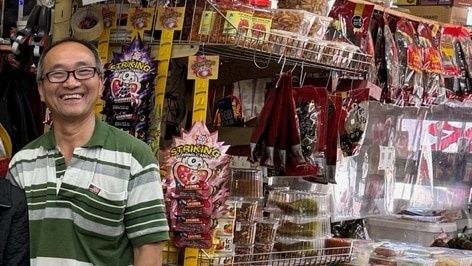
A 60-year-old Vietnamese grocery store owner has died in hospital following an alleged assault by a group of teenagers in western Melbourne, prompting fresh scrutiny of youth violence in the region and calls from local leaders for enhanced policing measures. Van Viet Truong succumbed to critical injuries sustained during the incident in the Sunshine suburb on August 1, passing away in hospital on Wednesday afternoon. The death marks a tragic escalation in what authorities and business owners characterize as a growing pattern of violent offences committed by minors in the area.
The circumstances surrounding Truong's death highlight how seemingly routine retail disputes can turn deadly. According to police accounts, Truong intervened after learning that an employee working at a neighbouring store had become embroiled in a street confrontation with individuals suspected of stealing merchandise. His decision to assist the employee, an instinctive act of solidarity among merchants, placed him directly in harm's way. What unfolded was a coordinated attack by multiple assailants, with prosecutors alleging that Truong was set upon by several youths during the altercation.
Law enforcement responded swiftly to the incident, apprehending five juveniles in connection with the assault. Initial charges laid against the group included affray, violent disorder, and intentionally causing serious bodily injury. Two of the defendants, both 14-year-old girls, alongside a 12-year-old boy, a 13-year-old boy, and a 15-year-old boy, were arrested and formally charged. However, subsequent investigations determined that the 13-year-old boy bore no culpability in the attack, leading prosecutors to withdraw charges against him. The 15-year-old boy faced significantly more severe charges announced on Thursday, with authorities adding a manslaughter count to his existing slate of violent offences, transforming the legal proceedings from an assault investigation into a criminal homicide case.
The incident has reignited long-simmering anxieties among business operators and residents about the trajectory of youth crime in Melbourne's western suburbs. Vu Du, president of the Sunshine Business Association, characterized the attack as symptomatic of a much broader problem rather than an isolated episode. Speaking to The Age newspaper, Du underscored the cumulative toll that ongoing violence has taken on the commercial community and local confidence. Merchants operating in the western suburbs frequently report confrontations with groups of young offenders, creating an environment of heightened vigilance and apprehension.
The death also crystallizes concerns that have been mounting for months regarding the adequacy of law enforcement presence in western Melbourne. On Wednesday, a coalition comprising five mayors representing adjacent suburbs issued a unified statement calling for structural changes to police resource allocation and operational protocols. Their primary demands centred on extending the operating hours of local police stations to provide round-the-clock protection and deploying additional officers to bolster the visible police presence in commercial and residential precincts.
The timing of these appeals is significant, as they represent a coordinated political response to deteriorating perceptions of public safety. Local government representatives, facing constituent complaints about escalating street violence and property crime, have positioned themselves as advocates for tougher law enforcement. The mayors' statement signals that pressure is mounting on state and federal authorities to recalibrate policing strategies and devote greater resources to suburbs that have historically received less investment than central Melbourne. The proposal to expand police station hours reflects a practical recognition that criminal activity concentrates during evening and nighttime periods, when traditional office hours operations prove inadequate.
For the Vietnamese community in Australia, the tragedy carries additional resonance. Truong's death represents not merely a crime statistic but a loss that reverberates through networks of merchants, friends, and family members. The broader Southeast Asian business community in Australian cities remains sensitive to incidents involving violent crime, as such occurrences can intersect with entrenched patterns of discrimination and community vulnerability. Truong's decision to intervene on behalf of his neighbour reflects values of mutual assistance that characterize tight-knit merchant associations, yet it also illustrates how good intentions can collide tragically with urban criminality.
The legal proceedings against the remaining four accused will proceed through Victoria's juvenile justice system, a process that will likely attract sustained media attention and public interest. The elevation of charges against the 15-year-old to include manslaughter indicates that prosecutors believe sufficient evidence exists to support culpability for Truong's death, rather than merely attributing it to assault. This prosecutorial judgment will shape the trajectory of the entire case and potentially establish legal precedent regarding juvenile accountability for fatal outcomes arising from violent altercations.
Moving forward, the incident will almost certainly factor into broader policy debates about youth crime, punishment frameworks, and prevention strategies within Victoria. Advocacy groups focused on criminal justice reform will likely scrutinize how the case unfolds, while those emphasizing stricter penalties will point to Truong's death as evidence supporting demands for tougher sanctions against violent young offenders. The intersection of compassionate rehabilitation philosophy with community safety imperatives remains contested terrain within Australian criminal policy discourse.

