The Melaka River Cruise is on track to become a significant pillar of the state's tourism economy, with the Perbadanan Pembangunan Sungai dan Pantai Melaka (PPSPM) reporting solid momentum towards its ambitious one million-passenger benchmark for 2024. By June, the iconic waterway attraction had already welcomed approximately 350,000 visitors, positioning the operator to clear roughly 60 per cent of its remaining quota across the final half of the year. This pace suggests strong domestic interest and growing international awareness of the river experience as a must-visit destination on Malaysia's tourism circuit.
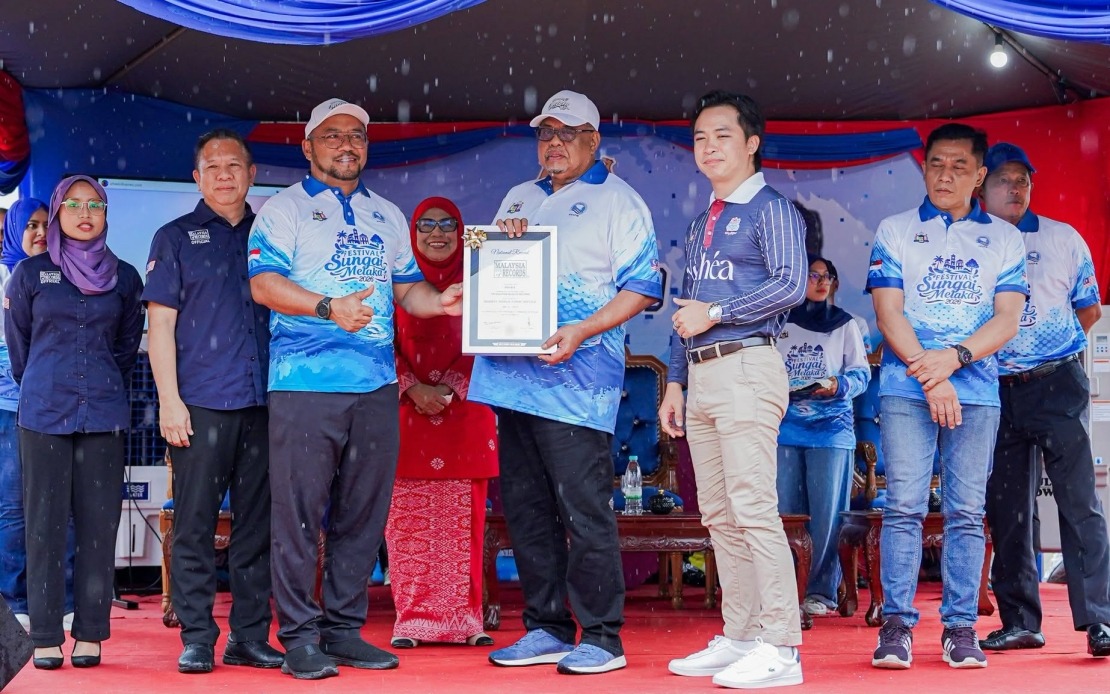
Speaking after a Malaysia Book of Records ceremony honouring the Melaka River Festival 2026 at Dataran Pengkalan Rama, PPSPM chief executive officer Shaharul Azuar Idris expressed confidence that revised marketing strategies and competitive pricing would drive the final push. The organisation has broadened its promotional reach both within Malaysia and across international markets, positioning the cruise as an essential experience for visitors seeking authentic riverside charm combined with modern amenities. The strategy reflects a broader shift towards experiential tourism in Melaka, distinguishing the river cruise from conventional sightseeing offerings through tailored packages and enhanced customer experiences.
Operational capacity has been deliberately scaled to manage the expected volume surge without compromising service quality. PPSPM currently maintains a fleet of 60 boats distributed strategically across its operations—30 vessels navigating the main Melaka River route and 30 dedicated to the Eco Cruise experience at Tasik Chinchin. This distribution allows the operator to absorb seasonal demand fluctuations while maintaining passenger comfort and safety standards. The dual-offering approach diversifies revenue streams and accommodates varying tourist preferences, from cultural and heritage-focused river journeys to nature-based ecotourism experiences.
Safety and comfort enhancements have become central to PPSPM's competitive positioning in Southeast Asia's growing river tourism sector. Recent upgrades to the vessel fleet include the revamped premium boats such as the 'Everlasting Love Boat' and 'Tun Khalil Cruise', which now feature dining-on-board experiences and modern comfort provisions. These improvements directly respond to international visitor expectations, particularly from higher-spending tourists seeking curated experiences. The operator has signalled intentions to introduce additional vessels equipped with cutting-edge technology, though such acquisitions remain under evaluation—a cautious approach reflecting broader operational and budgetary considerations.
The state government has leveraged tourism infrastructure to deepen civic engagement through the Melaka Sayang Rakyat (MeSRa) initiative, which will offer complimentary cruise experiences to over 5,000 visitors during the National Day celebration on August 31. This initiative serves a dual purpose: fostering patriotic sentiment among Malaysians while simultaneously exposing local residents and domestic tourists to the river cruise product, potentially converting free-ride participants into paying customers on future visits. Such grassroots engagement strategies often generate word-of-mouth marketing that proves more cost-effective than traditional advertising, particularly within Malaysia's digitally connected consumer base.
Melaka Chief Minister Datuk Seri Ab Rauf Yusoh's participation in the awards ceremony underscores government commitment to tourism as a economic development priority. State-level backing provides PPSPM with institutional support for infrastructure investments and promotional campaigns that might otherwise be constrained by private sector budgetary limitations. The political endorsement also signals confidence in the cruise operator's management and strategic direction, important for investor relations and staff morale as the organisation pursues growth targets.
Staffing and operational logistics will be critical factors in the final quarter's execution. PPSPM has committed to deploying adequate personnel and vessels to minimise passenger queuing times and boarding delays during peak demand periods. This operational discipline proves essential during high-season tourism months and special events when casual visitors often judge destinations based on first-impression experiences. Queue management failures can damage the broader Melaka tourism brand and discourage repeat visits, making Shaharul Azuar's emphasis on seamless boarding procedures a strategically sound operational priority.
The one million-passenger target, while ambitious, reflects realistic market dynamics in Malaysia's tourism recovery. Domestic leisure travel has rebounded strongly post-pandemic, and regional destinations compete intensely for experiential tourism spending. Melaka's historical significance combined with the river cruise's visual appeal positions it competitively against competing attractions across Johor, Penang, and Selangor. However, sustaining growth beyond 2024 will require continuous product innovation and competitive pricing that balances revenue aspirations with market affordability expectations.
For Malaysian investors and tourism entrepreneurs, PPSPM's trajectory offers insights into state-level tourism operator models. The emphasis on fleet modernisation, premium product differentiation, and integrated marketing demonstrates recognition that river tourism competes within an increasingly sophisticated global marketplace. Other Malaysian regions contemplating similar attractions—including river cruises along the Rajang in Sarawak or potential Perak waterway developments—may benchmark PPSPM's operational approaches and marketing methodologies to inform their own tourism product development and commercialisation strategies.

