The Malaysian state of Melaka has documented 277 workplace accidents resulting in both permanent and temporary incapacity during the opening half of 2026, according to data released by the Department of Occupational Safety and Health. Among these incidents, three fatalities emerged as particularly concerning—two occurring within the construction industry and one in manufacturing—underscoring the persistent hazards faced by workers across key economic sectors in the state.
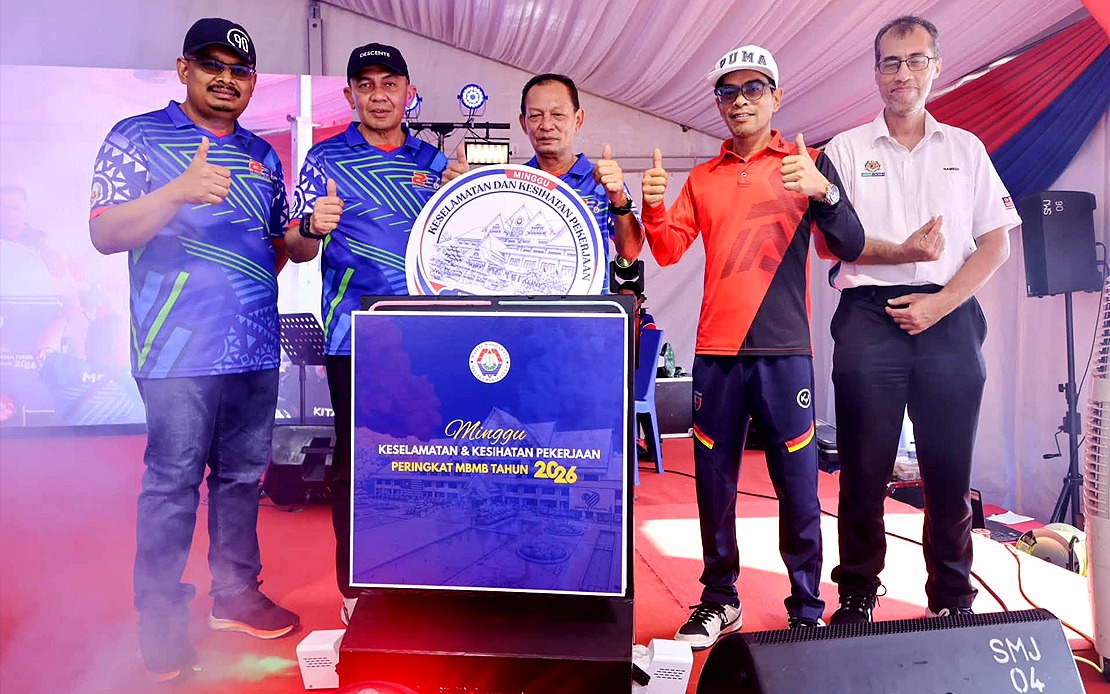
Ramesh Zakir Shamsul, who heads Melaka's DOSH operations, characterised the overall situation as manageable but requiring sustained vigilance. His remarks came during the official launch of the Melaka Historic City Council's 2026 Occupational Safety and Health Week, an annual initiative designed to reinforce workplace safety messaging across the state. The event drew participation from Datuk Zulkiflee Mohd Zin, the state's deputy senior executive councillor overseeing housing and local government, alongside Mayor Datuk Shadan Othman and DOSH's deputy director-general for occupational health Ahmad Jailani Mansor.
The three workplace deaths represent a critical subset of the broader accident toll. Construction remains a perennial flashpoint for fatal incidents in Malaysia and across Southeast Asia, reflecting the sector's inherent risks alongside frequently cited compliance gaps. Manufacturing's appearance in the fatality statistics similarly reflects the hazardous machinery and chemical exposures prevalent in industrial facilities. For Malaysian workers and employers, these figures serve as a sobering reminder that even ostensibly "controlled" safety environments harbour genuine danger.
Under the Occupational Safety and Health Act 1994, employers bear formal responsibility for reporting every workplace incident, no matter how minor. DOSH conducts thorough investigations into reported cases to establish causation and identify systemic failures. Ramesh Zakir emphasised that this investigative function extends across all workplace accidents within Melaka, not merely fatal ones. The regulatory framework requires employers to document incidents, implement corrective measures, and demonstrate compliance with prescribed safety protocols—obligations that DOSH monitors through inspections and audits.
Melaka's approach to occupational safety increasingly relies on collaborative partnerships rather than enforcement alone. Ramesh Zakir highlighted the state's engagement with employers, local councils, and community organisations to elevate awareness through targeted workshops and educational sessions known locally as ceramah. This multi-stakeholder model acknowledges that sustainable workplace safety improvements emerge when responsibility is distributed across government agencies, private sector operators, and worker representatives.
The Melaka Historic City Council has proven receptive to this collaborative framework, actively supporting DOSH initiatives within municipal jurisdiction. This partnership gains added significance given MBMB's oversight of public works, maintenance contracts, and municipal employment—all sectors generating workplace incidents. By embedding occupational safety considerations into the council's operational culture, the state signals that safety constitutes a fundamental governance principle rather than a compliance checkbox.
For Malaysian employers monitoring the Melaka figures, the data underscores an uncomfortable reality: incident rates persist despite existing regulatory structures and awareness campaigns. Construction and manufacturing firms operating in the state must interpret these numbers as evidence that current safety measures may prove insufficient. Reviewing incident investigation reports and participating in DOSH-organised training becomes essential for identifying and addressing sector-specific hazards.
The broader Southeast Asian context makes Melaka's experience particularly relevant. Across the region, workplace accident rates remain elevated compared to developed economies, reflecting rapid industrialisation, variable enforcement capacity, and sometimes inadequate worker training. Malaysia's relatively mature regulatory framework and enforcement apparatus position it as a regional leader, yet Melaka's continued accident toll suggests that even well-resourced jurisdictions encounter persistent safety challenges. This reality carries implications for multinational companies and subcontractors operating across ASEAN, indicating that institutional capacity alone cannot guarantee safe workplaces without sustained organisational commitment.
Ramesh Zakir's insistence that employers themselves constitute crucial drivers of safety culture reflects an important philosophical shift in occupational health governance. Rather than positioning DOSH as the sole guarantor of workplace safety, the department increasingly emphasises employer agency and accountability. This approach aligns with international best practices but requires employers to invest substantially in safety training, equipment maintenance, incident reporting systems, and worker consultation mechanisms—investments that smaller enterprises sometimes struggle to prioritise.
The documentation of permanent and temporary disabilities across multiple sectors suggests that Melaka's workforce faces heterogeneous risks requiring tailored interventions. A construction worker suffering spinal injury demands different rehabilitation and compensation pathways than a manufacturing employee experiencing chemical burns or respiratory impairment. DOSH's case management capacity and the availability of occupational rehabilitation services therefore emerge as critical infrastructure supporting injured workers' return to productive employment.
Looking forward, Melaka authorities face mounting pressure to demonstrate tangible accident reductions rather than merely maintaining current levels. The state's positioning as a historic, tourism-oriented destination means that ongoing industrial accidents generate negative externalities beyond direct human costs. Workers' compensation claims, medical expenditures, and productivity losses burden employers and the public system. Additionally, high-profile accidents invite scrutiny of regulatory effectiveness and can damage investor confidence in the state's operational governance.
The occupational safety initiative launched during the week-long celebration represents a moment for Melaka to recalibrate its approach toward proactive prevention rather than reactive investigation. Enhanced pre-employment training, mandatory safety certification for high-risk sectors, and incentive-based compliance programmes could potentially bend the trajectory of accident rates downward. Worker representation in safety committee governance and genuine whistleblower protections would further strengthen the regulatory ecosystem.
Ultimately, Melaka's accident figures reflect a fundamental tension within Malaysia's development model: rapid economic growth and infrastructure expansion generate employment but simultaneously create workplace hazards that systematic oversight struggles to contain. Addressing this tension demands not simply more inspections or stricter penalties, but genuine transformation of how employers value safety, how workers understand their rights, and how government agencies support continuous improvement. The figures released this month suggest that this transformation remains incomplete.

