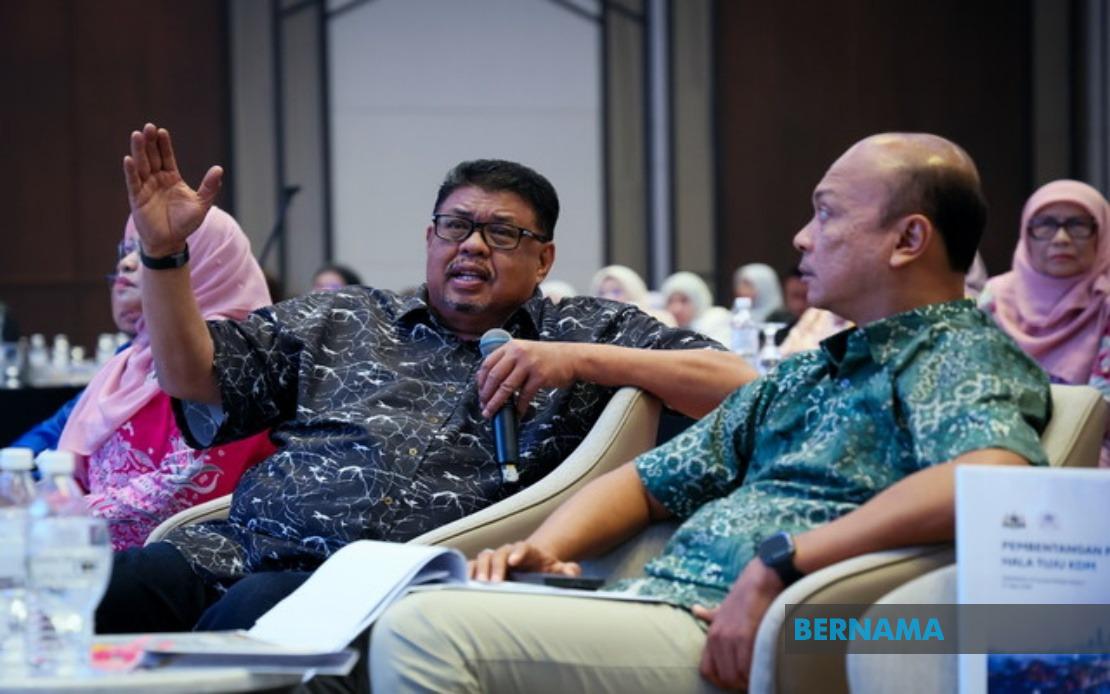
Melaka Barisan Nasional has made clear its intention to retain every one of the 21 state assembly seats it currently holds when voters go to the polls later this year, with the coalition leadership drawing a firm line against any territorial concessions in negotiations with potential partners. The stance was articulated by Melaka BN chairman Datuk Seri Ab Rauf Yusoh, who emphasized that defending the full slate of seats represents a non-negotiable foundation upon which any discussions about cooperation must be built. Speaking at the Melaka Digital Kampung Directional Alignment Workshop in Alor Gajah, Ab Rauf underscored that the 21-seat position would form the outer boundary of all future negotiations, leaving little room for flexibility on the matter.
The firmness of this declaration carries significant weight given the context of Malaysian coalition politics, where seat allocation has historically been a thorny issue requiring delicate balancing between partner parties. By establishing this unambiguous threshold early in the pre-election period, Melaka BN is signaling to other potential coalition members that discussions will centre on which parties receive how many of the remaining seven seats in the 28-seat state assembly, rather than any redistribution of the BN's existing allocation. This approach reflects the coalition's confidence in its recent electoral performance and its determination to maintain its dominant position in the state parliament.
Ab Rauf, who also serves as Melaka's Chief Minister and chairman of the Melaka UMNO liaison committee, indicated openness to meeting with prospective coalition partners, even as he maintained this strict boundary condition. He specifically acknowledged reports that three senior PAS leaders were expected to seek discussions with him during the week, characterizing such engagement as welcomed but subject to the fundamental prerequisite regarding seat allocation. This careful balance between appearing receptive to dialogue while maintaining absolute clarity on non-negotiable positions reflects the delicate political choreography required in Malaysia's coalition-based political system, where trust and clarity must coexist with flexibility.
The coalition chairman emphasized that any major decisions flowing from coalition talks would require approval from BN's highest decision-making body. Ab Rauf stated that he could not independently commit to any arrangement without obtaining the blessing of the Supreme Council, the coalition's ultimate authority on strategic matters. This caveat suggests that while preliminary discussions might proceed at the state level, any formal agreements would need to traverse the formal institutional channels of the national coalition structure. For potential partners considering negotiations with Melaka BN, this requirement adds another layer to the decision-making process and potentially extends the timeline for reaching any final agreements.
Regarding the timing of the election itself, Ab Rauf adopted a characteristically cryptic approach when asked about widespread speculation that the state assembly would be dissolved in September. He acknowledged that the election could occur at any moment, noting that the state government's term expires on December 31, which provides a window for elections before then. His playful comment about not revealing the exact date "to maintain the thrill" underscores the element of strategic timing that often accompanies state-level electoral decisions in Malaysia. This flexibility in timing represents one of the few remaining advantages available to incumbent governments, allowing them to choose the moment they believe most favourable to their electoral prospects.
The electoral landscape in Melaka remains relatively straightforward in composition. In the most recent state election, Barisan Nasional's commanding performance resulted in the winning of 21 seats, providing it with comfortable control of the state government. Pakatan Harapan secured five seats, while Perikatan Nasional obtained two, creating a clear hierarchy in the state parliament. The 28-seat total means that any governing coalition requires at least 15 seats for a bare majority, positioning BN's 21 seats as providing substantial security even if faced with defections or difficulties during its term.
For Malaysian observers and regional political analysts, Melaka's political trajectory carries broader significance. As one of Malaysia's smaller states by population and parliamentary seats, Melaka often serves as a testing ground for coalition arrangements and electoral strategies before they are applied at the federal level. The outcome of the state election and the specific composition of any coalition formed will provide insights into the current viability of various political partnerships and the relative bargaining power of different parties within Malaysia's coalition framework.
The emphasis on defending existing seats rather than pursuing territorial expansion suggests that Melaka BN is approaching this election from a position prioritizing consolidation and stability rather than aggressive growth. This defensive posture may reflect lessons learned from previous electoral cycles or represent a pragmatic assessment of the current political environment. By focusing energy on retaining what has been won rather than pursuing marginal gains elsewhere, the coalition signals that it views its current strength as something to be preserved against external pressure rather than as a platform for expansion.
Potential coalition partners weighing engagement with Melaka BN must evaluate whether the terms being offered justify their participation. For parties considering whether to allocate resources to contesting some of the seven remaining seats available, the clarity of BN's position eliminates one category of uncertainty from their calculations. Rather than speculate about whether their political rivals might capture additional BN seats through negotiations, they can focus on competitive dynamics within the pool of seats actually available for contested allocation.
The political dynamics within Melaka also reflect the broader tension between Malaysia's major political alliances at the national level. The presence of PAS as a potential negotiating partner signals the continued possibility of cooperation between UMNO-led BN and the Islamist party, notwithstanding their different trajectories at the federal level. Such state-level cooperation mechanisms provide valuable opportunities for testing partnership arrangements and building working relationships between political organizations that operate in complex and sometimes contradictory relationships at different levels of government.

