The Malaysian Communications and Multimedia Commission (MCMC) has been tasked with maintaining robust internet connectivity throughout the Johor state election campaign, according to Deputy Communications Minister Teo Nie Ching. The directive underscores the growing importance of digital infrastructure in modern electoral processes, where reliable online access underpins both campaign logistics and voter information dissemination.
Teo outlined the rationale during an event in Pasir Gudang, explaining that stable internet access has become integral to organizing political gatherings and reaching constituents with campaign messaging. She emphasized that MCMC will conduct continuous surveillance of network performance, particularly in locations anticipated to draw substantial crowds. This proactive approach reflects recognition that connectivity gaps could hamper campaign effectiveness and disadvantage candidates in areas with weaker digital infrastructure.
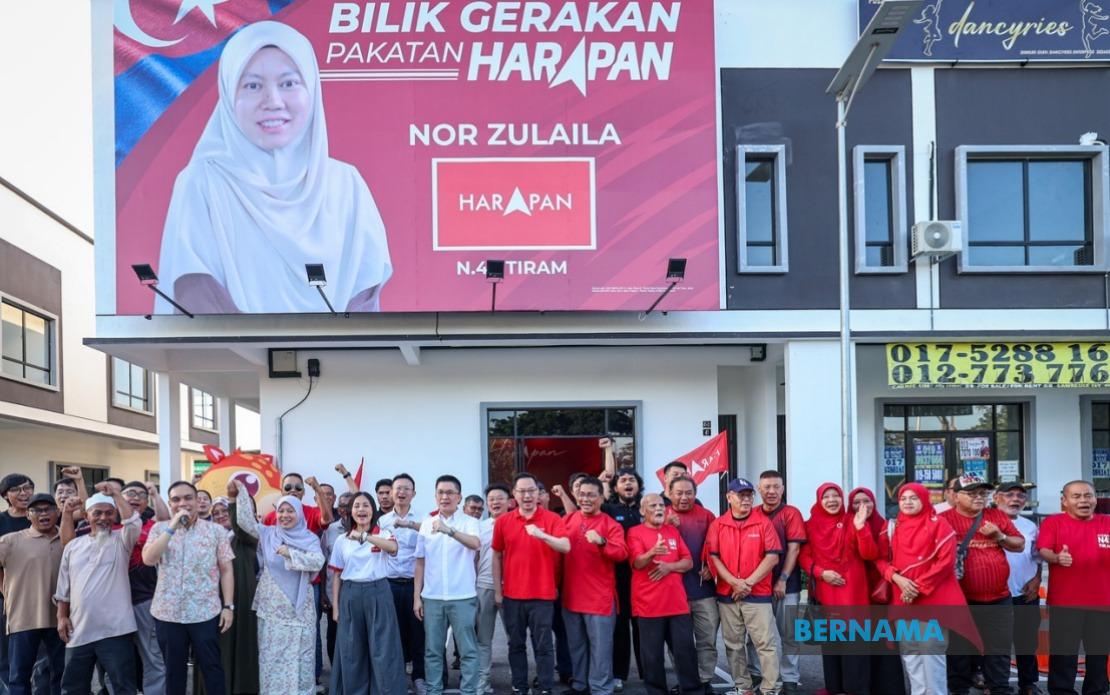
The timing is significant for Johor's political landscape. With nomination day imminent, followed by early voting on July 7 and the main poll on July 11, campaign activities are intensifying across all contested seats. Teo's announcement during the launch of the Pakatan Harapan operations room for the N40 Tiram constituency signals the coalition's intention to leverage digital tools strategically in what shapes as a competitive electoral exercise.
As Johor DAP chief, Teo reported encouraging signals from ground-level voter engagement. Preliminary campaign feedback indicates strong inclination among voters to participate actively in the electoral process, with notably high enthusiasm from those registered outside their current constituencies. This pattern suggests many voters plan to return to their hometowns specifically to cast ballots, demonstrating the engagement levels that campaigns seek during competitive elections.
DAP's campaign philosophy reflects a cautious, resource-intensive strategy. Rather than identifying certain seats as mathematically secure and directing resources accordingly, the party has committed to treating all seventeen contested seats with equal priority and attention. Teo explained this approach stems from the understanding that complacency in supposedly "safe" constituencies can rapidly translate into unexpected losses, a lesson reinforced repeatedly in Malaysian electoral history.
This uniform attention strategy acknowledges the diverse character of Johor constituencies. Each area presents distinct demographic compositions, economic circumstances, and political histories that demand tailored campaign messaging and localized engagement. A blanket approach risks alienating voters whose concerns might differ significantly from neighbouring areas, potentially damaging performance across what appears to be a competitive election.
The emphasis on internet infrastructure carries particular relevance for Malaysian elections. Beyond enabling campaign coordination and voter outreach, digital connectivity affects voters' ability to access independent information sources and verify candidate credentials. In regions where traditional media influence remains concentrated, robust internet access can democratize information flows and reduce asymmetries in campaign visibility.
For Southeast Asian election management more broadly, Teo's directive reflects regional trends toward recognizing digital infrastructure as essential electoral machinery. Countries across the region have increasingly recognized that campaigns conducted partially or primarily through digital channels require the same regulatory oversight as traditional campaign activities. This extends regulatory focus beyond traditional broadcast and print frameworks into digital ecosystems where most younger voters and urban populations increasingly consume political information.
The Johor election occurs during a period of broader Malaysian political uncertainty and recalibration. Electoral contests at state level provide valuable testing grounds for national-level campaigns and coalition strategies. Success or setback in Johor carries implications extending beyond the state itself, influencing calculations about coalition viability and voter sentiment heading toward potential federal-level contests.
MCMC's role in ensuring equitable internet access during campaigning also touches upon fairness and democratic principles. Candidates and parties with superior digital connectivity can amplify messaging more effectively, creating potential disparities in campaign reach. Regulatory intervention to maintain baseline infrastructure quality helps level the playing field, particularly benefiting smaller parties or independent candidates who might otherwise lack resources to build parallel communication networks.
The logistical challenges of maintaining internet quality during election campaigns should not be underestimated. Electoral activities concentrate in specific locations during particular periods, creating temporary but intense demand spikes on local networks. MCMC's commitment to monitoring and optimization suggests awareness that these demand surges could degrade service if not actively managed, potentially disrupting both campaign activities and ordinary commercial or governmental online operations occurring simultaneously.
For Malaysian voters and businesses, election-period internet stability carries practical significance beyond campaign considerations. Essential services from banking to telecommunications continue operating during campaigning, and degraded connectivity affects economic activity and service delivery. MCMC's focus on maintaining optimal coverage thus serves multiple constituencies beyond the purely political sphere.
The road to July 11 will test whether infrastructure preparations prove adequate to the task. The election will demonstrate whether coordinated regulatory oversight can ensure digital equity in modern electoral contests, a question with relevance extending across Malaysia and the broader Southeast Asian region as digital campaigning becomes increasingly central to democratic processes.

