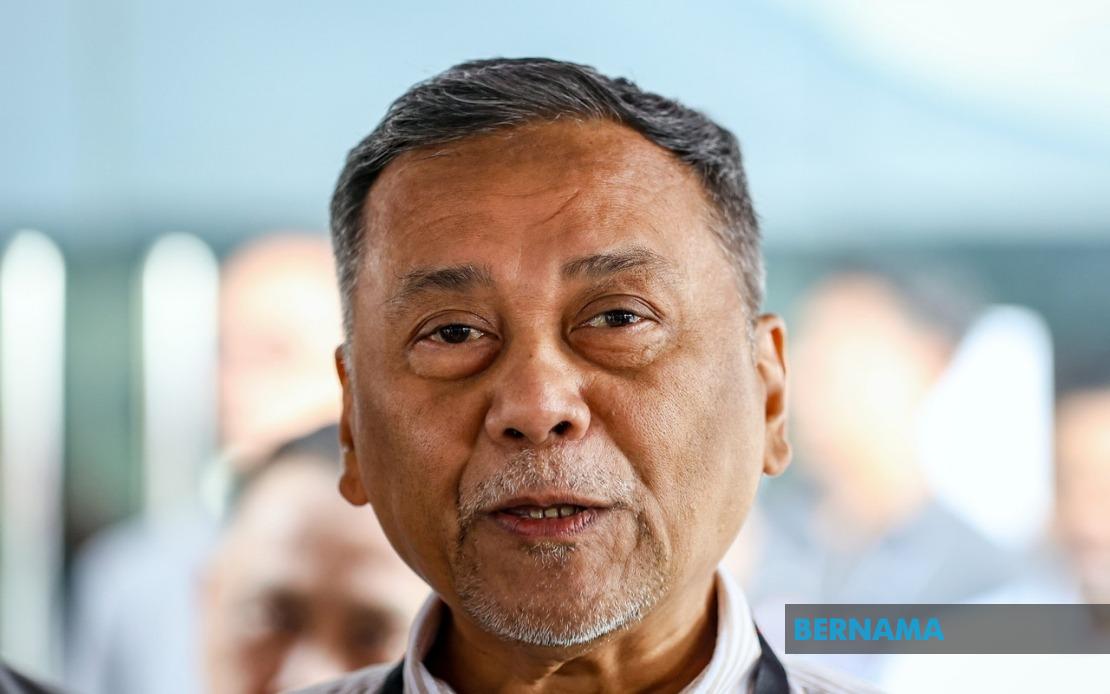
As Johor voters prepare to head to the polls tomorrow to elect 56 state assemblymen, election administrators are clarifying the division of responsibilities in overseeing campaign conduct across both digital and physical spaces. Election Commission Chairman Datuk Seri Ramlan Harun issued the directive during an inspection of ballot-checking facilities in the Pontian and Kukup constituencies, emphasizing that while his team handles traditional campaign violations, online infractions fall squarely within the Malaysian Communications and Multimedia Commission's purview.
The clarification comes amid growing concerns about campaign materials circulating online that feature individuals not contesting the election. Particularly controversial have been posters and banners displaying images of former Prime Minister Datuk Seri Najib Razak and his wife, Datin Seri Rosmah Mansor, which sparked objections from UMNO figures this week. UMNO Supreme Council member Datuk Seri Shahaniza Shamsuddin, herself the Pahang UMNO information chief, described the practice as extreme and potentially designed to manipulate voter sentiment by invoking figures with no direct stake in the current electoral contest.
The distinction between physical and digital campaign enforcement reflects the evolving regulatory landscape in Malaysian elections. The EC's enforcement mechanisms have proven effective for traditional campaign materials, with Ramlan noting that removal actions have been successfully implemented at various locations following public complaints. However, the rapid dissemination and decentralized nature of online content creation presents distinct challenges that require specialized oversight. By directing complaints to MCMC, which possesses statutory authority over digital communications and multimedia content, the EC acknowledges both the technical and jurisdictional realities of modern campaigning.
This delegation of responsibility underscores a broader structural reality in Malaysian governance: multiple agencies must coordinate to maintain electoral integrity across different communication channels. Voters and campaign observers encountering questionable online materials can now channel their concerns to MCMC through established complaint mechanisms, streamlining the process and ensuring proper expertise evaluates such cases. The MCMC possesses regulatory tools specifically designed for digital content moderation, making it the appropriate forum for addressing online campaign violations that may breach electoral conduct guidelines or platform policies.
The timing of this clarification is significant given that approximately 2.7 million eligible voters in Johor will participate in the 16th state election. With such substantial voter participation anticipated, the volume of campaign activity—both legitimate and potentially problematic—will likely surge. Clear communication about reporting channels helps ensure that violations do not escape scrutiny simply due to administrative confusion about which agency holds responsibility. This transparency also prevents the perception that online campaigns operate in an unregulated space where conduct standards differ from traditional media.
The controversy surrounding the use of non-candidate images in campaign materials highlights an emerging ethical question in Malaysian electoral politics. Invoking prominent political figures who are not standing for office can influence voter perception by association or nostalgia, potentially distorting the electoral process in ways that prioritize personality-driven politics over substantive policy debate. Campaign observers have noted that such tactics may violate the spirit of electoral fairness, even if they occupy gray areas of formal regulation. UMNO's internal concerns about these practices suggest growing recognition within the major political parties that protecting electoral credibility requires vigilance against these borderline tactics.
Regional observers monitoring Malaysian electoral developments will note that these enforcement challenges are not unique to Johor. As digital political communication proliferates across Southeast Asia, election management bodies across the region grapple with similar jurisdictional questions. Malaysia's approach—establishing clear agency boundaries while encouraging public participation in enforcement—offers a model that balances administrative efficiency with democratic participation. However, the effectiveness of such frameworks ultimately depends on whether MCMC processes complaints promptly and takes proportionate action.
The practical implications for voters are straightforward: those encountering potentially problematic online campaign content should document and report it to MCMC rather than expecting the EC to address digital-platform violations. This represents a shift in responsibility for electoral oversight from a monolithic commission to a more specialized agency structure. For campaign managers and political operatives, the clarification reinforces that online campaign conduct faces scrutiny comparable to physical materials, though the enforcement mechanisms differ.
Looking ahead to tomorrow's election and beyond, this institutional coordination between the EC and MCMC will likely become a template for future state and federal elections. As Malaysian political discourse increasingly occurs online, the need for effective digital oversight mechanisms will only intensify. The early clarification of these responsibilities in the Johor contest provides valuable lessons for election management in subsequent contests, particularly as political parties refine their digital strategies and regulators develop more sophisticated monitoring capabilities.
The Election Commission's measured approach—acknowledging institutional limitations while directing voters to appropriate channels—reflects pragmatic recognition that electoral integrity depends on multiple stakeholders operating within defined domains. By ensuring voters know where to lodge concerns and that appropriate agencies receive those complaints, Malaysia's electoral administration demonstrates a maturing approach to the complex challenge of regulating 21st-century campaigning. The success of this coordination in the Johor election will inform how similar issues are managed as electoral campaigns continue their inevitable migration toward digital-first strategies.

