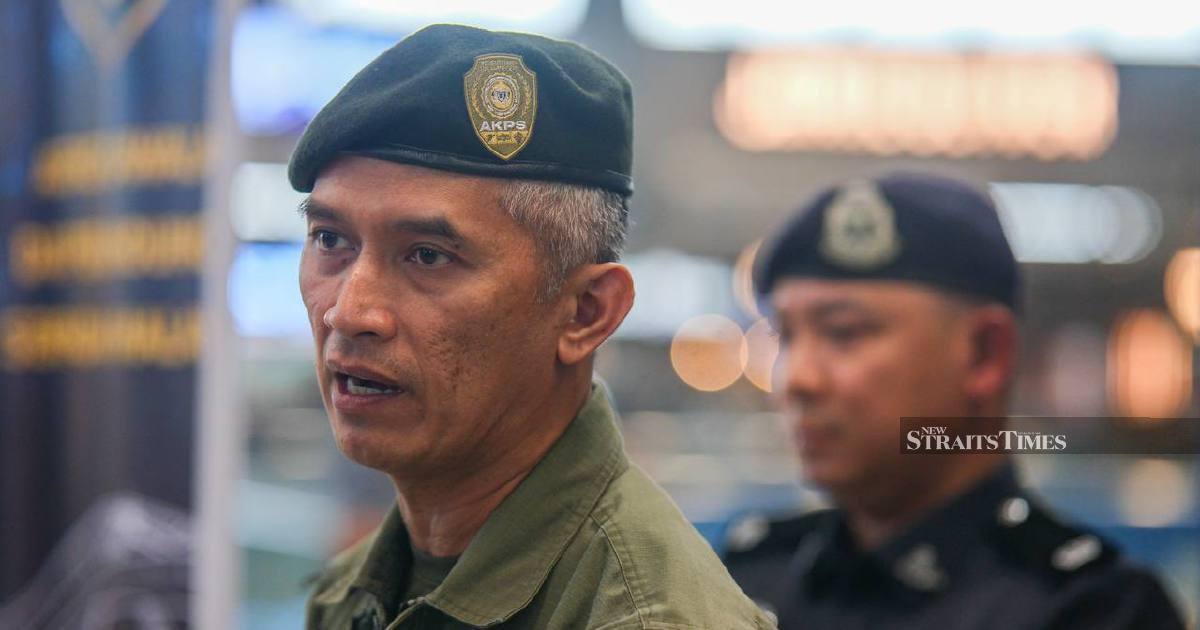
Authorities overseeing Malaysia's border security have stopped short of confirming or dismissing whether counter-setting operations played a role in the drug trafficking case that led to the arrest of a Malaysia Airlines pilot in Indonesia, according to statements made by the Malaysia Border Control and Protection Agency. The decision to maintain investigative opacity reflects the sensitivity surrounding the matter and the need to preserve operational integrity as inquiries continue across both jurisdictions.
The reluctance to reach premature conclusions underscores a fundamental principle in transnational narcotics investigations: premature disclosures can compromise ongoing law enforcement efforts and potentially alert other individuals suspected of involvement in trafficking networks. By keeping all investigative pathways open rather than narrowing focus based on incomplete evidence, Malaysian authorities signal their intention to pursue comprehensive understanding of the incident and any broader criminal infrastructure it may reveal.
Counter-setting represents a law enforcement technique wherein undercover agents or informants facilitate controlled transactions with suspected traffickers to gather evidence, identify networks, and ultimately apprehend offenders. The technique remains controversial in some jurisdictions due to concerns about entrapment and state involvement in criminal activity, though it is widely employed across Southeast Asia's anti-narcotics operations. In Malaysia's context, border agencies have increasingly incorporated such methods to dismantle sophisticated smuggling operations that exploit air cargo, diplomatic pouches, and commercial transportation routes.
The Malaysia Airlines pilot's detention in Indonesia introduces complex diplomatic and jurisdictional questions that may explain the cautious approach adopted by Malaysian enforcement authorities. When nationals are arrested in foreign territories on serious charges, parent governments typically coordinate closely with host nation counterparts to understand arrest circumstances, verify investigation procedures, and ensure fair treatment within established legal frameworks. The possibility that counter-setting was involved would raise additional questions about intelligence sharing arrangements and operational coordination between Malaysian and Indonesian agencies.
Drug smuggling through aviation channels represents a persistent challenge for Southeast Asian governments, given the speed, reach, and relative difficulty in inspecting aircraft cargo comprehensively. Malaysia's position as a regional aviation hub means the nation faces particular vulnerability to such operations, making border protection agencies acutely conscious of threats to the country's reputation and security infrastructure. Any case involving commercial airline personnel potentially compromises public confidence and creates operational security concerns for the entire aviation sector.
The measured response from MCBA leadership reflects broader institutional maturity in how Malaysian law enforcement addresses high-profile cases. Rather than rushing to public pronouncements that might later require revision, officials appear committed to gathering complete information before finalizing investigative conclusions. This approach aligns with best practices in transnational law enforcement, where jurisdictions increasingly recognize that premature statements can undermine prosecutorial strategies, jeopardize evidence admissibility, and damage diplomatic relations.
For Malaysian readers and regional observers, the case highlights evolving vulnerabilities in Southeast Asia's drug trafficking landscape. Increasingly, criminal organizations recruit individuals with legitimate access to transportation infrastructure—pilots, crew members, port workers, and customs officials—making position and privilege weaponizable for narcotics movement. The apparent involvement of an airline employee suggests traffickers understand how occupational credentials facilitate border crossing and reduce detection risks compared to conventional smuggling methods.
The deliberate ambiguity surrounding counter-setting involvement may also reflect institutional disagreements or evidentiary gaps that investigators are still resolving. Malaysian authorities might be waiting for additional documentation from Indonesian counterparts, forensic analysis of physical evidence, or witness testimony before finalizing their position on how the pilot was initially identified and approached. Such methodical investigation, while frustrating to media observers seeking definitive narratives, ultimately serves justice by ensuring charges rest on solid evidentiary foundations.
Indonesia's role in the investigation cannot be overlooked, as the arrest occurred within Indonesian territory and jurisdiction. Coordination between Malaysia's border agency and Indonesian law enforcement agencies remains critical, particularly regarding information about how the initial drug interception occurred, what surveillance or intelligence preceded the arrest, and whether international organized crime networks extending into Malaysia are implicated. The silence on counter-setting details may reflect sensitivities about revealing operational methods or protecting ongoing investigations that extend beyond this single case.
The coming weeks and months will likely clarify whether counter-setting was indeed operational, as court proceedings in Indonesia progress and Malaysian authorities conduct their own parallel investigations. Evidence presented during prosecution will either support or contradict counter-setting involvement, ultimately providing public clarity on how this case developed. Until then, the measured stance adopted by MCBA represents appropriate professional restraint in managing a complex international narcotics case.

