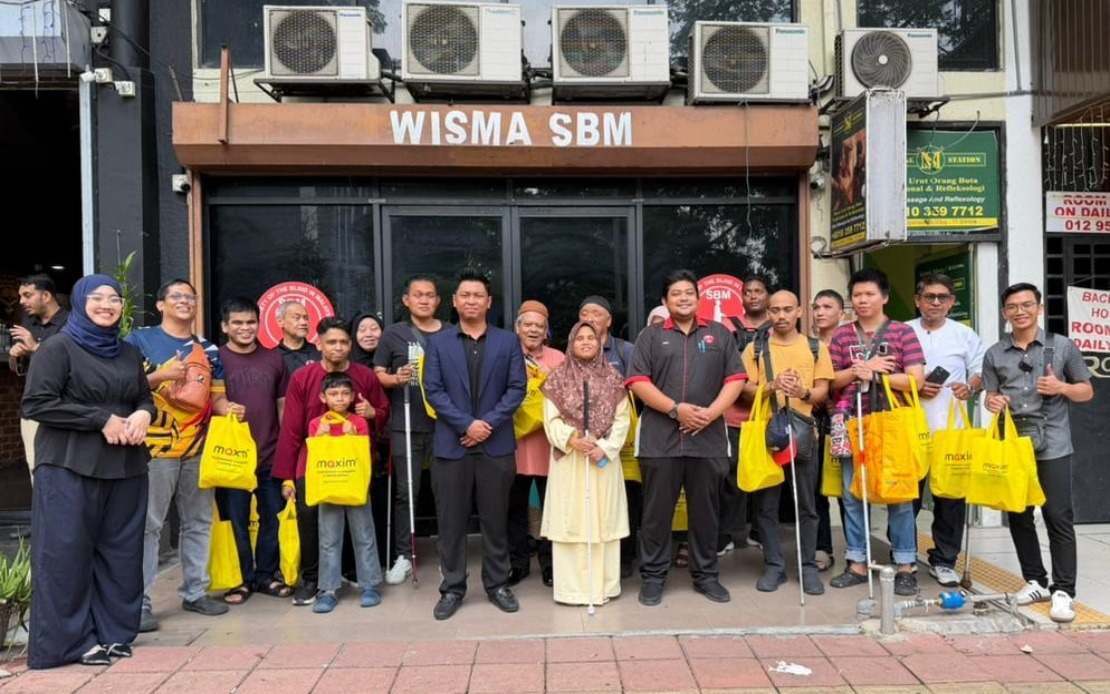
E-hailing platform Maxim is significantly expanding its accessibility agenda across Malaysia, targeting underserved populations including persons with disabilities, senior citizens, low-income families, and vulnerable communities with a combination of affordable pricing, technological innovation, and community-focused partnerships. The company's initiatives reflect a growing recognition within the regional mobility sector that transportation equity represents a fundamental prerequisite for broader economic and social inclusion.
Syed Abdul Syarif Syed Peiaru, Maxim Kuala Lumpur Head, articulated the platform's strategic vision during a recent statement, positioning transportation as far more than logistical convenience. Rather, the company views mobility infrastructure as foundational to individual empowerment, enabling persons from marginalised groups to pursue education, secure employment, access essential healthcare services, and participate meaningfully in community life. This framing aligns with international development discourse that increasingly emphasises transport accessibility as a determinant of human development outcomes.
The company's accessibility roadmap centres on three interconnected pillars. First, Maxim maintains a commitment to fare competitiveness while simultaneously expanding service coverage into geographically remote and economically disadvantaged areas where traditional transport operators often prove unviable. This dual approach addresses a longstanding tension in emerging markets between financial sustainability and inclusive service provision. Second, the platform prioritises technological solutions designed specifically for users with varying accessibility requirements, acknowledging that generic digital interfaces often inadvertently exclude those with sensory or mobility impairments. Third, Maxim has cultivated institutional partnerships spanning hospitals, educational institutions, and civil society organisations serving vulnerable populations, effectively positioning e-hailing as infrastructure embedded within broader social ecosystems rather than as a standalone commercial service.
Among the company's concrete offerings is the Mesra OKU service, which incorporates extended waiting periods for passengers requiring additional boarding time, driver training protocols emphasising patient assistance, explicit support for mobility aids including wheelchairs and walking devices, and voice-recognition booking features eliminating barriers for users with visual impairments. The service design reflects user-centred development principles, allowing passengers to communicate specific assistance requirements through the application interface, thereby enabling drivers to prepare appropriately before arrival. This transparency mechanism reduces anxiety for vulnerable users while enhancing service reliability.
The technological dimension of Maxim's inclusion strategy extends beyond basic accessibility features. The platform has partnered with the Society of the Blind in Malaysia to promote TalkBack voice functionality, recognising that visually impaired users represent a substantial population whose mobility needs remain inadequately addressed by conventional transport providers. By investing in voice-based interaction modalities, Maxim addresses not merely disability accommodation but rather systemic barriers to digital engagement that characterise many commercial platforms operating in Malaysia and Southeast Asia more broadly.
Beyond pricing and technology, Maxim has developed targeted subsidisation mechanisms specifically benefiting persons with disabilities and individuals with special needs, effectively ringfencing financial support for populations most vulnerable to transport cost burdens. Such initiatives acknowledge that affordability cannot be approached as a universal proposition but rather requires differential treatment reflecting disparities in income and transportation necessity among user groups. This targeted approach mitigates risk of regressive outcomes where blanket fare reductions benefit higher-income groups disproportionately.
The company's commitment extends into sporting communities, with Maxim providing transport support for para-athletes and adaptive sports organisations, including dedicated arrangements for Sarawak para swimmers preparing for training and competitive events. This engagement reflects an understanding that inclusion encompasses not merely essential services but also recreational and developmental opportunities that enhance quality of life and social integration. Such partnerships simultaneously provide visibility to adaptive sports communities while creating employment and service delivery opportunities within Maxim's driver network.
Syed Abdul Syarif emphasised that accessible e-hailing services have demonstrably expanded independence among persons with disabilities, enabling workforce participation, educational engagement, healthcare access, and community involvement previously constrained by transportation limitations. This outcome bears direct relevance to Malaysian labour force participation targets and skills development objectives, where transport barriers have historically suppressed economic contribution from disabled populations. From a macroeconomic perspective, reducing transport friction for this demographic group potentially expands productive capacity and tax base while simultaneously reducing dependency on social assistance programmes.
The platform's institutional partnership strategy encompasses collaboration with government agencies, healthcare providers, NGOs, educational institutions, and community organisations, effectively positioning Maxim within Malaysia's broader social infrastructure. Such partnerships facilitate information exchange regarding emerging accessibility needs while anchoring e-hailing services within established referral networks and trust relationships. For vulnerable populations often characterised by limited digital literacy or platform familiarity, institutional endorsement and integration reduce barriers to service adoption.
Looking forward, Maxim's trajectory within Malaysia's mobility landscape appears oriented toward deepening specialisation within inclusive transport rather than pursuing undifferentiated market expansion. This strategic positioning reflects maturation of the regional e-hailing sector, where competitive differentiation increasingly derives from service quality, user experience refinement, and community embeddedness rather than simply from subsidised pricing or geographic coverage. For Malaysian policymakers focused on disability inclusion and social equity, Maxim's initiatives suggest potential models for private sector engagement with vulnerable populations where commercial logic and social objectives align sufficiently to enable sustainable service provision.
The broader significance of Maxim's accessibility expansion extends beyond individual company performance. Transport accessibility represents a critical gap within Malaysia's development agenda, where persons with disabilities, elderly populations, and low-income communities frequently face severe mobility constraints limiting economic participation and social engagement. As e-hailing platforms accumulate operational data and user feedback regarding accessibility requirements, this information accrues substantial value for transport policy formulation at municipal and national levels. Maxim's lived experience managing accessibility challenges at scale may therefore inform future regulatory frameworks governing mobility services while demonstrating that inclusive design constitutes commercial viability rather than charitable obligation.

