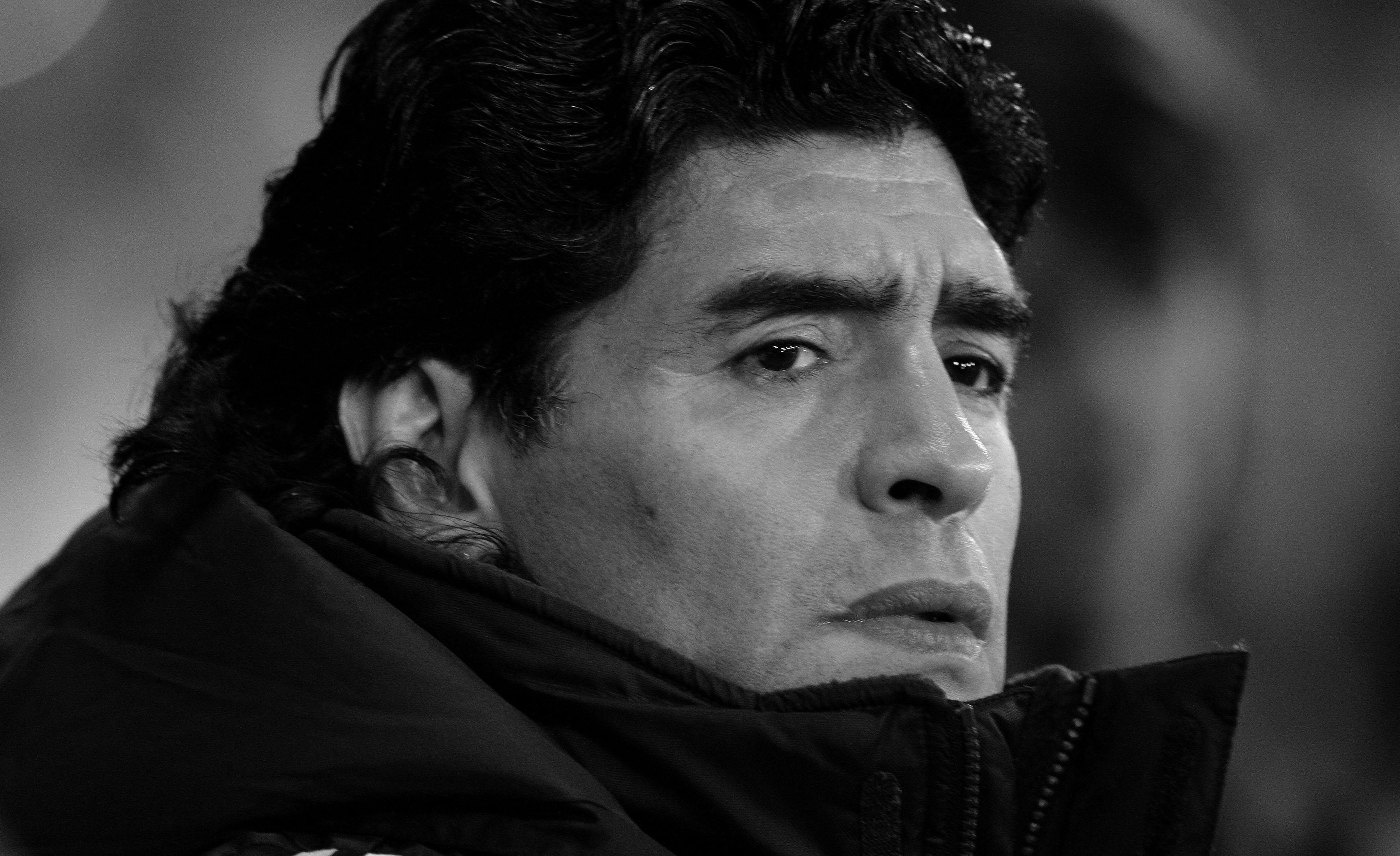
The high-profile prosecution stemming from Diego Maradona's death in November 2020 has encountered a significant procedural obstacle, with proceedings halted after a critical administrative error involving the footballer's medical records. According to multiple media sources cited by international news agencies, kidney test results presented during the case were mistakenly attributed to Maradona when they actually belonged to his father, Diego Maradona senior, who passed away in 2015. The discovery of this administrative mix-up prompted the court to suspend hearings for one week while ordering the seizure of genuine medical documentation relating to the late football icon.
The confusion surrounding the medical evidence underscores the complexities facing investigators and prosecutors in Argentina as they pursue manslaughter charges against seven individuals implicated in the circumstances surrounding Maradona's death. The 1986 FIFA World Cup-winning captain died of acute cardiovascular failure while under residential care at his Buenos Aires residence, though investigators contend that serious lapses in his at-home medical management contributed significantly to his demise. The case has already proven procedurally troubled, having been entirely restarted after an initial trial spanning 21 days was nullified in May of the previous year due to judicial misconduct involving one panel member who had unauthorisedly participated in documentary filmmaking about the proceedings.
The seven defendants facing prosecution include Leopoldo Luque, Maradona's personal physician, alongside psychiatrist Agustina Cosachov, another medical doctor whose identity remains less prominent in reporting, a psychologist, the health insurer's medical coordinator, and two residential care workers. Each has categorically denied the allegations arrayed against them, maintaining their professional conduct met appropriate standards. Investigators believe coordination failures and inadequate oversight during Maradona's final weeks—following brain surgery he underwent shortly before his collapse—created dangerous conditions within his home environment, though the defence maintains all parties acted with proper diligence.
The medical records confusion raises troubling questions about the trial's administrative framework and the reliability of evidence upon which such serious allegations rest. For Malaysian and Southeast Asian observers of international legal proceedings, the incident illustrates vulnerabilities that can emerge even in high-profile cases where significant institutional resources have been mobilised. The mixing of test results belonging to two separate individuals—particularly when one is deceased and the other the trial's central figure—represents a fundamental breach of evidence management protocols that could undermine prosecutorial confidence and judicial reliance on documentary proof.
This latest setback adds considerable duration to what was already an extended legal process. Beyond the initial 21-day trial that was annulled, the subsequent restart has now encountered this documentary complication, meaning Maradona's family and the broader Argentine public continue waiting for judicial closure on the circumstances surrounding his unexpected death. The extended timeline also raises practical concerns about witness availability, memory degradation, and the psychological toll on all parties involved, including the deceased athlete's family members who must endure repeated legal examinations of his final days.
The prior dissolution of the first trial on grounds of judicial impropriety—stemming from one panellist's involvement in an unauthorised documentary—established a cautionary precedent within Argentina's legal system regarding conflicts of interest and media involvement in sensitive proceedings. That particular incident underscored how external entertainment projects could potentially compromise judicial impartiality, a concern increasingly relevant across jurisdictions as the appetite for documentary examinations of celebrity deaths expands globally. The current documentary evidence problem, while organisationally distinct, reinforces that administrative and procedural rigour must be uncompromising in cases of this magnitude.
For legal scholars examining Argentina's handling of this case, several systemic observations emerge. The repeated disruptions suggest either insufficient training within court administrative branches or inadequate quality-control mechanisms governing evidence custody and labelling. The mixing of paternal and filial medical records is particularly troubling given that the two individuals represent different generations with potentially divergent medical histories and health conditions. Proper chain-of-custody documentation should have prevented such confusion, raising questions about baseline protocols governing evidence management in Argentine criminal proceedings.
The prosecution's theory that Maradona's residential care arrangement involved serious lapses stands as the conceptual centre of the case. Investigators have apparently focused on questions of whether his medical team maintained appropriate monitoring, whether medications were administered correctly, whether his neurological condition post-surgery received adequate assessment, and whether the home environment itself met minimum standards for someone requiring intensive medical supervision. The documentation problems now surfacing make establishing these foundational factual elements considerably more complicated, as prosecutors must reconstruct the evidentiary record with greater care.
From a comparative perspective relevant to Southeast Asia, where medical negligence cases increasingly feature prominently in both courts and public discourse, the Maradona proceedings illustrate how complex multi-defendant cases involving medical professionals demand exceptional documentary discipline. Malaysia and regional neighbours confronting similar high-profile healthcare-related prosecutions might extract useful lessons regarding evidence protocols, documentation standards, and the necessity of robust administrative verification procedures before trial evidence is formally presented. The delays and restarts in the Argentine case also suggest that investing in proper case management systems and evidence handling training yields significant efficiency dividends that ripple through years-long proceedings.
The week-long suspension announced by the court provides opportunity for authorities to locate, verify, and introduce the correct medical records into the evidentiary record. Whether this fresh interruption will lead to expedited resolution or further complications remains uncertain. For Maradona's family, his professional legacy, and Argentine society's broader understanding of what occurred during his final weeks, the trial's completion—whenever that ultimately arrives—carries substantial significance that extends well beyond legal formalism into cultural and historical meaning-making about one of football's most extraordinary figures.

