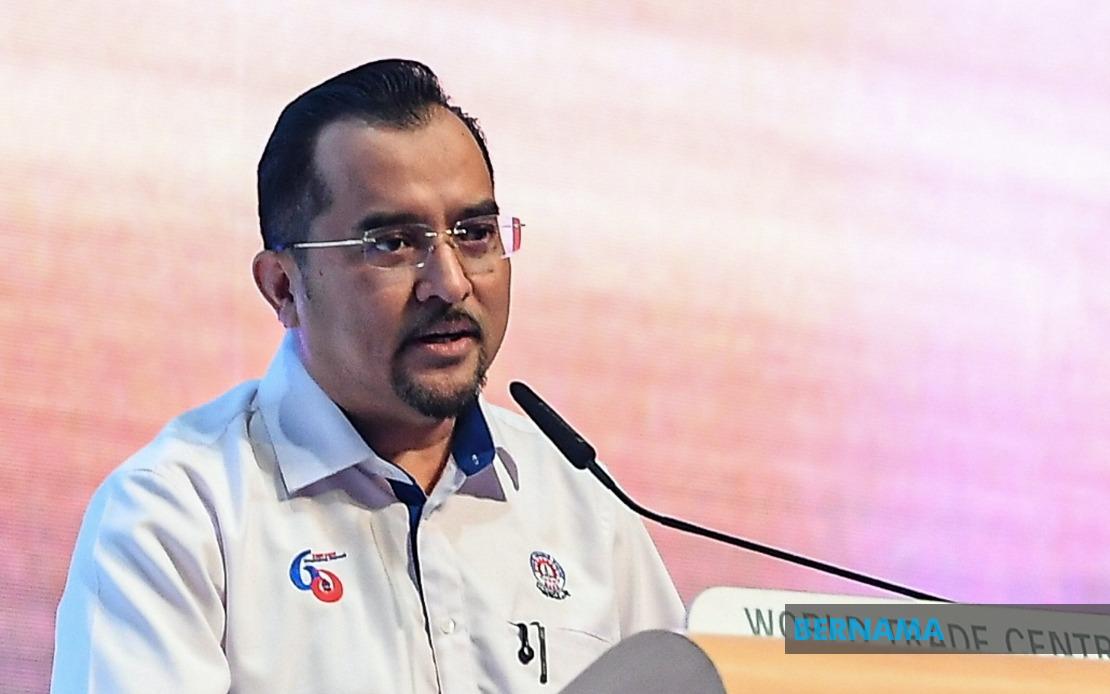
The Malaysian government has signalled its commitment to tackling student violence within elite boarding schools after six Form Five students at a MRSM in Johor were arrested on suspicion of bullying a younger schoolmate. MARA Chairman Datuk Asyraf Wajdi Dusuki made an emphatic statement on the matter, warning that expulsion from the institution would be the penalty for those found culpable, while instructing the Secondary Education Division and school administration to convene a disciplinary hearing within a single day.
The bullying incident came to public attention when the victim's parents, frustrated by their 14-year-old son's deteriorating mental state, turned to social media to document their ordeal. The family disclosed that their child had reached such a breaking point that he requested withdrawal from the residential college, unable to continue living under the shadow of sustained harassment from older students. Their decision to publicise the matter prompted police intervention, resulting in the arrest and two-day remand of the six accused students while investigations proceeded.
Datuk Asyraf's response underscores mounting institutional anxiety about discipline and personal safety within Malaysia's MRSM network, which serves as a feeder system for high-achieving students across the nation. The chairman's use of the phrase "YOU TOUCH, YOU GO"—a stark warning against physical violence or aggressive behaviour—reflects the zero-tolerance messaging increasingly favoured by education authorities confronting widespread reports of ragging and peer abuse in boarding school environments. This hardline stance departs from historical approaches that sometimes characterised bullying as a rite of passage or unavoidable feature of residential school life.
The severity of Datuk Asyraf's language reveals deeper institutional concerns about reputational damage and pastoral care failures. The MRSM system, which enrolls approximately 11,000 students across the country and positions itself as a pathway to academic excellence and leadership development, has faced periodic scrutiny over bullying cultures. When bullying incidents surface publicly through social media campaigns by affected families, the institutions involved face credibility challenges that extend beyond immediate disciplinary matters to questions about whether residential structures adequately protect younger, more vulnerable students from harassment by senior cohorts.
The 24-hour disciplinary deadline represents a significant procedural acceleration compared to conventional school investigation timelines. This compressed schedule signals MARA's recognition that delayed institutional response fuels public criticism and erodes stakeholder confidence in the organisation's ability to maintain order and safeguard student welfare. By acting swiftly and visibly, the leadership aims to demonstrate responsiveness while also setting precedent that bullying allegations trigger immediate, serious consequences rather than gradual, bureaucratic processes.
Datuk Asyraf's statement contained an equally significant appeal directed at victims and witnesses within the MRSM community. He urged students experiencing or observing bullying to report incidents promptly to teachers, dormitory wardens, or school management rather than suffering in silence or withdrawing from school entirely. This messaging acknowledges that institutional reform requires not only punitive measures against perpetrators but also cultural change among the broader student body regarding accountability and support for vulnerable peers. The appeal implicitly recognises that many bullying incidents remain unreported, allowing patterns of abuse to persist and intensify.
The chairman also issued a stern warning to staff members and other stakeholders tempted to protect or conceal involvement in bullying cases. By explicitly threatening institutional action against those who cover up misconduct, Datuk Asyraf attempted to eliminate the informal codes of silence that sometimes shield perpetrators within tight-knit boarding school communities. This approach reflects international best practice in institutional abuse prevention, which emphasises breaking protective barriers that allow wrongdoing to continue unchecked.
The incident raises broader questions about the adequacy of pastoral care systems and supervision structures within residential colleges serving adolescent students. The fact that bullying escalated to the point where a 14-year-old victim requested withdrawal suggests that existing reporting mechanisms, whether formal or informal, failed to intervene effectively at earlier stages. This pattern mirrors findings from institutional abuse inquiries internationally, where investigations often reveal that multiple warning signs preceded serious incidents but were either overlooked or inadequately addressed by authorities.
For Malaysian parents and students within the MRSM network, the episode reinforces ongoing concerns about safety and wellbeing in boarding school settings. While residential education offers academic advantages and developmental opportunities, it also concentrates young people in environments where supervision, though intensive, cannot be absolute. The case highlights the importance of maintaining open communication between students and families, encouraging young people to report problems promptly rather than enduring abuse silently, and ensuring that institutions respond decisively when allegations emerge.
The police investigation running parallel to MARA's disciplinary process adds a criminal dimension that elevates this case beyond typical school misconduct. If the six students are charged and convicted, they would face youth justice proceedings with potential consequences including rehabilitation orders or custodial measures. This criminal pathway reflects legal recognition that serious bullying can constitute assault or other offences, transforming the matter from educational discipline into the criminal justice domain.
Looking forward, MARA's response to this incident will likely shape institutional policies across the MRSM network regarding harassment prevention, reporting procedures, and disciplinary thresholds. Educational institutions frequently use high-profile misconduct cases as catalysts for systematic review and reform of safeguarding frameworks. Whether this situation prompts broader changes to supervision protocols, peer mentoring systems, or student support services within MRSM remains to be seen, but institutional pressure to demonstrate meaningful prevention efforts will likely intensify.

