Majlis Amanah Rakyat (MARA) is undertaking a careful review of its standard operating procedures for student outings at its Mara Junior Science Colleges (MRSM) network following the August 11 disappearance of two Form Four students from MRSM Alor Gajah in Melaka. The two 16-year-old girls vanished after receiving treatment at a health clinic and were located four days later near Pasar Seni in central Kuala Lumpur, prompting questions about institutional safeguards and student mobility policies across Malaysia's premier residential science colleges.
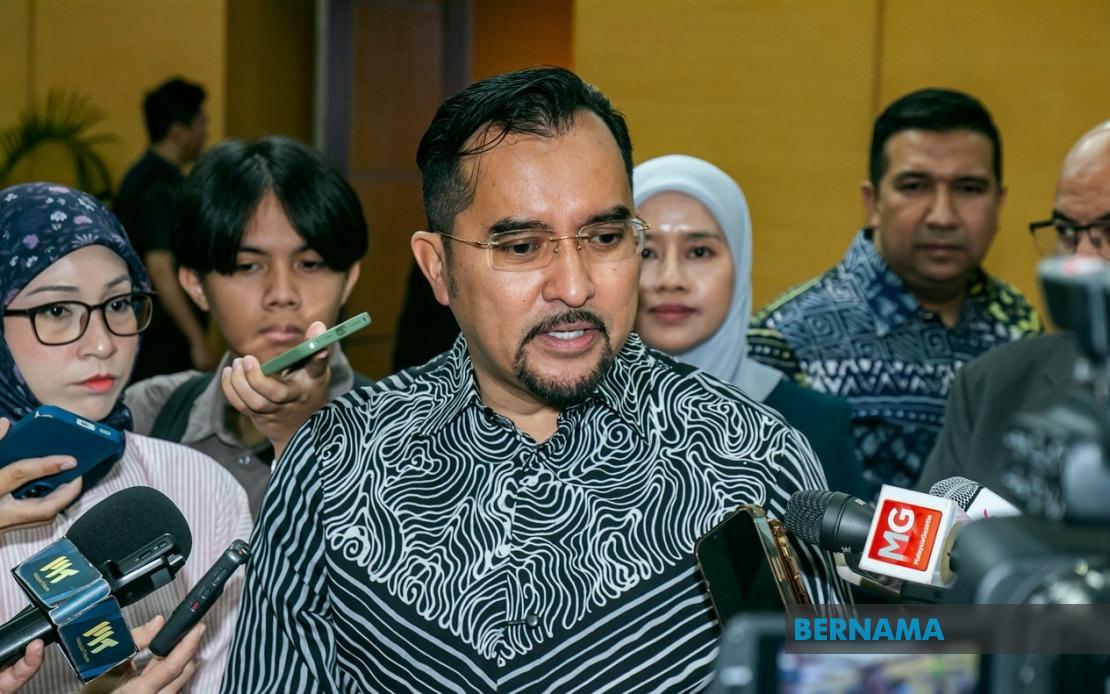
Chairman Datuk Dr Asyraf Wajdi Dusuki characterised the incident as an isolated occurrence, emphasising that MARA would not allow this single episode to dictate sweeping policy changes that could fundamentally alter the educational culture and student experiences at MRSMs nationwide. His measured response reflects the broader tension institutions face between protecting students and allowing them the autonomy necessary for personal growth and development, a balance particularly important in Malaysia's competitive academic environment where confidence and independence are considered crucial life skills.
Currently, MRSM students enjoy considerable freedom within defined parameters, permitted to venture into town approximately once or twice monthly under a supervised framework that does not require constant teacher accompaniment. This arrangement has long been considered part of the residential college experience, providing adolescents with opportunities to develop decision-making capabilities and social maturity while remaining subject to institutional oversight. For many MARA scholars, particularly those from rural or disadvantaged backgrounds, these sanctioned outings represent their first experiences navigating urban centres independently, a formative aspect of their overall development.
Datuk Dr Asyraf Wajdi stressed the importance of allowing investigative processes to proceed without premature institutional reactions, urging stakeholders to exercise restraint and allow both police and relevant agencies adequate time to establish the circumstances surrounding the students' absence. He noted that one of the girls experienced a severe panic attack upon discovery and required hospital treatment, suggesting the incident carried significant emotional and psychological dimensions that warranted careful investigation before policy conclusions could be drawn.
The missing students case has resonated across Malaysia's education sector, where boarding schools and residential colleges serve thousands of scholars annually and represent significant government investments in talent development. Parents, administrators, and policymakers increasingly grapple with modernising institutional frameworks to address contemporary risks while maintaining the developmental benefits that have historically distinguished Malaysia's premier educational institutions. The incident underscores how rapidly social narratives can shift following high-profile disappearances, sometimes prioritising restrictive measures over comprehensive risk management approaches.
Investigators from Alor Gajah police engaged MARA on Monday to assist their enquiries, though specific findings remain undisclosed pending completion of formal investigations. This collaborative approach between educational institutions and law enforcement reflects established protocols for handling sensitive matters involving minors, where confidentiality protections often constrain public disclosure of investigative details. For MARA's leadership, navigating transparency obligations against privacy protections requires careful communication to maintain stakeholder confidence while respecting ongoing processes.
The broader context of this incident includes persistent discussions within Malaysian educational circles about student safety, especially concerning residential institutions with significant numbers of boarders from across the country. Transportation between campuses and home, unscheduled absences, and monitoring of student whereabouts have become increasingly scrutinised by parents and authorities alike, creating pressure on institutions to demonstrate robust welfare frameworks. MARA's proactive review signals institutional responsiveness to community concerns while attempting to avoid reactionary policymaking that might inadvertently compromise the educational experience.
Residential colleges throughout Southeast Asia have historically balanced pastoral care with student independence, recognising that excessive restriction can paradoxically increase risks by undermining trust and driving students toward unsanctioned activities. Malaysia's MRSM system, consistently producing high academic achievers who populate leading universities and professional fields, has built its reputation partly on fostering maturity and self-regulation. The challenge for MARA lies in implementing procedural refinements that enhance safety monitoring without dismantling the institutional culture that has proven effective across decades of operation.
The August 11 incident, while concerning, occurred during a period when institutional vulnerabilities in pastoral care systems have attracted heightened attention nationally. Parental anxiety about their children's wellbeing during residential education, amplified by instant communication technologies and social media discourse, creates an environment where single incidents can trigger demands for comprehensive policy overhauls. MARA's measured approach—reviewing procedures while resisting wholesale restrictions—suggests leadership confidence in existing frameworks, though ultimately the institution will need to demonstrate concrete improvements that address both safety concerns and the underlying circumstances that permitted the students' prolonged absence.
Looking forward, the review process will likely examine communication protocols between institutions and families, monitoring systems during approved outings, and emergency response procedures when students fail to return as scheduled. Enhanced coordination between MRSM campuses, improved documentation of student movements, and potentially refined technology-assisted tracking represent possible outcomes, though MARA appears committed to solutions that maintain the fundamental character of residential college life. For Malaysia's education system broadly, this incident serves as a reminder that protecting student welfare requires evolving security frameworks while preserving the autonomy that distinguished institutions like MRSM have long provided to Singapore's highly talented youth.

