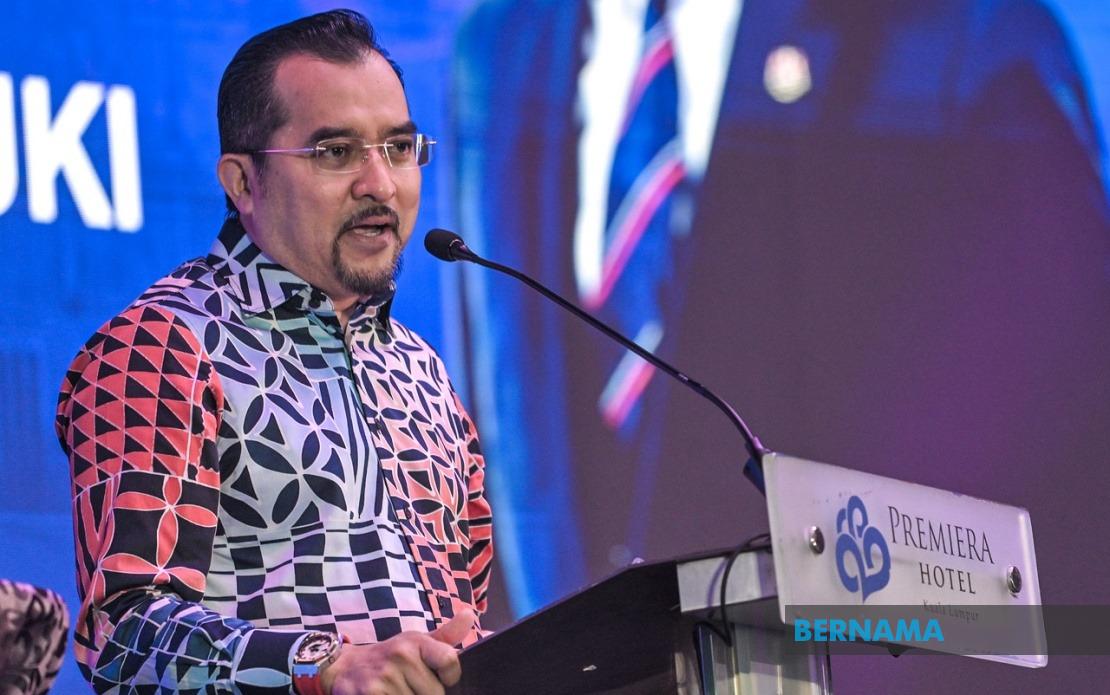
Majlis Amanah Rakyat (MARA) is implementing a significant structural reform of student supervision at its residential colleges by introducing dedicated full-time wardens drawn from the ranks of retired military officers. The initiative represents a strategic pivot away from relying on teaching staff to manage dormitory discipline, instead creating specialist positions designed to reinforce behavioural standards and moral development among the college population. According to MARA chairman Datuk Dr Asyraf Wajdi Dusuki, each of the 58 MARA Junior Science Colleges (MRSM) will eventually receive four wardens—two men and two women—all selected from former military backgrounds for their demonstrated capacity to maintain high standards of personal conduct and organisational rigour.
The phased deployment commences this year with ten colleges serving as pilot institutions, with the programme scheduled for full nationwide implementation beginning January 2025. This measured approach allows MARA to test operational procedures, refine the warden role definition, and gather feedback before extending the model across the entire network. The timing suggests MARA is building infrastructure well in advance of the new calendar year, indicating institutional commitment to embedding these changes before the next academic cycle begins. The selection process for male wardens has already concluded, while finalisation of the female warden roster is expected within the current week, positioning the organisation to meet its initial deployment deadline.
MARA's leadership has articulated a clear rationale for recruiting from military backgrounds rather than appointing civilian administrators. Former service personnel bring ingrained organisational habits, understanding of hierarchical structures, and experience in maintaining discipline within shared living environments—skillsets that translate readily to residential college management. The decision also acknowledges the mounting pressure on teaching staff, many of whom struggle to balance classroom responsibilities with round-the-clock pastoral duties. By creating dedicated warden positions, MARA effectively unbundles these roles and allows educators to concentrate on academic delivery while wardens focus exclusively on residential life, student conduct, and character formation.
The vetting process for these appointments has involved collaboration between MARA and the Malaysian Armed Forces (ATM), ensuring that recruitment meets rigorous standards. MARA has explicitly committed to screening only candidates with exemplary service records, signalling that the institution will not compromise on the moral and professional calibre of individuals placed in supervisory positions over teenagers. This methodical approach reflects awareness that such roles carry significant responsibility—wardens will shape formative experiences during students' crucial late adolescent years and can meaningfully influence institutional culture.
Context for Malaysian education observers includes the broader challenge of maintaining discipline and moral standards within residential schooling systems. MRSM colleges, which serve high-achieving students selected through competitive examination, nonetheless experience the behavioural pressures common to any boarding environment. Student misconduct incidents, from minor rule violations to serious disciplinary cases, periodically surface in media reporting. By introducing dedicated wardens, MARA signals institutional seriousness about preventing such issues and cultivating character alongside academic excellence. The military background of appointees also carries symbolic weight, signalling that the organisation values structured environments and clear hierarchies—an implicit message about institutional values.
Beyond the warden initiative, MARA's leadership highlighted encouraging employment outcomes from its technical and vocational programmes, reporting a 99.1 per cent graduate employability rate across TVET pathways. This figure substantially exceeds typical employment rates for general academic graduates, underscoring the market demand for skills-based training. More tellingly, MARA graduates command premium starting salaries through deliberate industry partnerships. The recent Samsung recruitment drive, which placed 700 MARA TVET students at starting salaries of RM3,500 monthly, exemplifies how aligned vocational education generates immediate labour market value. For Malaysian policymakers watching skills gap pressures, this performance data reinforces the economic case for technical education investment.
The employability metrics carry particular relevance for Southeast Asian economies navigating industrial transitions. As manufacturing increasingly demands specialised technical competencies, nations competing for regional investment require workforce development systems proven to deliver job-ready graduates. MARA's track record suggests Malaysia possesses functional pathways between education and employment in technical sectors, a competitive advantage in regional talent markets. The RM3,500 entry salary, while not exceptional in absolute terms, represents premium positioning within Malaysia's vocational graduate cohorts and demonstrates employer willingness to reward programme-specific skills.
MARA has additionally allocated RM145,000 in funding for excellence programmes at five MRSM colleges that achieved top-tier SPM examination rankings in the previous year. This targeted investment acknowledges that elite-performing institutions require distinct support to sustain competitive advantage. Rather than distributing resources equally across all colleges, MARA concentrates additional funding where demonstrated academic strength suggests greatest return on investment. This approach aligns with meritocratic principles embedded in institutional culture and incentivises sustained high performance across the network.
The convergence of these initiatives—enhanced residential supervision, demonstrated employment success, and targeted academic support—reflects MARA's comprehensive strategy for institution-building. The wardens programme addresses the pastoral dimension, TVET employment outcomes demonstrate economic relevance, and directed funding supports academic excellence. Collectively, these policies position MARA not merely as an educational provider but as an institution invested in producing graduates who excel academically, secure meaningful employment, and embody strong personal values. For Malaysian policymakers and educational administrators observing these developments, the initiatives offer a model for coordinating multiple dimensions of educational quality—discipline, vocational alignment, and merit-based resource allocation—within a coherent institutional framework.

