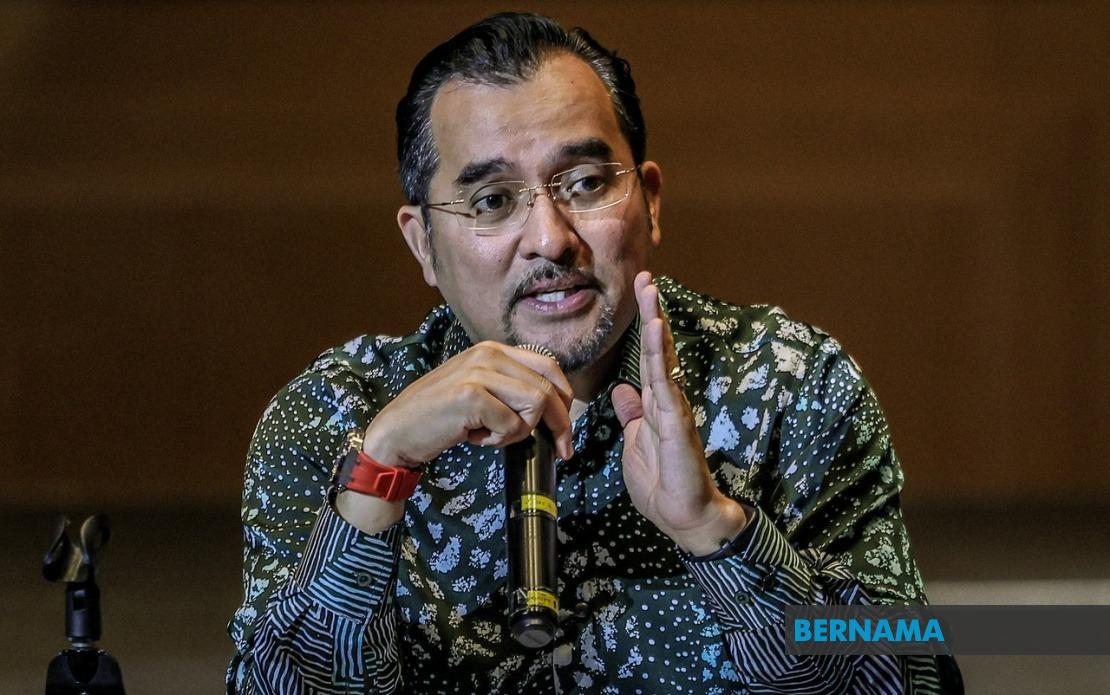
Malaysia's Majlis Amanah Rakyat is preparing significant legislative changes designed to overhaul its internal governance structure and prevent future institutional failures. MARA chairman Datuk Dr Asyraf Wajdi Dusuki revealed that the proposed MARA Bill 2026, scheduled for parliamentary tabling before year-end, dedicates the bulk of its provisions to corporate governance improvements. The comprehensive approach signals a deliberate pivot toward stricter accountability mechanisms after years of regulatory gaps within the Bumiputera-focused agency.
The governance emphasis reflects a direct response to historical vulnerabilities that have plagued MARA's institutional credibility. By allocating roughly 80 per cent of the Bill's provisions to structural and management reforms, legislators aim to create safeguards against recurring problems including abuse of executive authority, governance lapses, misappropriation of funds, operational irregularities, financial leakages, and wasteful expenditure. These concerns have understandably eroded public confidence in an institution mandated to protect Malay and Bumiputera interests, making comprehensive legislative remedies essential to restoring institutional legitimacy.
A cornerstone provision fundamentally reshapes the chairman's role and authority. Under the existing MARA Act 1966, the chairman wielded considerable discretionary power. The new Bill, already approved in principle by Cabinet, deliberately restricts these powers to core chairmanship functions, Board management, and policy formulation. This separation of executive concentration represents a deliberate institutional check designed to prevent scenarios where individual leaders accumulate unchecked decision-making capacity, a documented governance weakness across many government-linked companies in the region.
The proposed legislation introduces multiple structural improvements intended to enhance oversight capacity. Implementing 'fit and proper' criteria for Board members establishes professional standards governing who can serve in these critical positions, while term limits prevent institutional entrenchment that can lead to complacency or mismanagement. These measures mirror best practices adopted by leading corporations and development agencies internationally, suggesting Malaysia's willingness to align MARA with contemporary governance standards expected by both domestic stakeholders and international observers.
Financial controls represent another major reform component addressing MARA's historical vulnerabilities. The Bill strengthens financial governance and procurement procedures to meet both national regulatory requirements and international benchmarks. This comprehensive financial tightening particularly matters for an agency managing substantial Bumiputera resources; inadequate procurement oversight has previously enabled irregularities that undermine legitimate development objectives and divert resources from intended beneficiaries.
The legislative framework establishes mandatory Board committees specialising in distinct governance functions. An Audit Committee will oversee financial controls and compliance; an Investment Committee will scrutinise capital deployment; a Finance and Governance Committee will manage fiscal policy; and a Risk Committee will identify and mitigate institutional threats. This committee structure distributes oversight responsibilities across multiple panels rather than concentrating authority, reducing opportunities for unchecked discretion and creating redundant accountability pathways.
For the first time, MARA legislation will formally establish a Syariah Committee ensuring all institutional operations comply with Islamic principles. This addition addresses a significant governance gap given MARA's foundational role within Malaysia's Bumiputera framework, which carries distinct religious and ethical dimensions. Embedding Syariah oversight into formal governance structures legitimises the agency's operations within Islamic regulatory expectations while demonstrating institutional commitment to values alignment alongside financial performance.
These reforms build upon governance improvements implemented since Asyraf Wajdi assumed the chairmanship in March 2023. Upon appointment, he established a special task force directed by former Bank Negara Malaysia governor Tan Sri Muhammad Ibrahim, demonstrating commitment to expert-led institutional renewal. Subsequent measures included strengthening financial discipline across all MARA operations, executing forensic audits of subsidiary entities to identify historical irregularities, centralising internal audit functions across MARA and MARA Corp to eliminate oversight gaps, and restructuring procurement divisions to prevent manipulation.
Operational improvements complementing these structural changes reflect international governance standards. MARA introduced comprehensive reporting systems requiring monthly financial performance reports to the Council, aligning management accountability with standards observed across sophisticated international institutions. These transparency mechanisms ensure decision-makers maintain current information regarding institutional performance, enabling evidence-based governance rather than decisions based on incomplete or outdated information.
The legislative overhaul carries implications extending beyond MARA itself. The Bill's emphasis on governance standards, separation of powers, and accountability mechanisms represents a broader institutional modernisation signal. Other government-linked companies managing public resources may face similar reform pressures, particularly if regulatory environments continue tightening around accountability and transparency. For Malaysian stakeholders concerned with effective public resource stewardship, MARA's legislative renewal potentially establishes governance benchmarks influencing broader institutional practice.
For Bumiputera entrepreneurs and businesses dependent on MARA support programmes, governance improvements theoretically enhance service delivery reliability and resource accessibility. Stronger financial controls and auditing should reduce leakages, directing greater proportions of allocated development resources toward genuine beneficiary support. Simultaneously, enhanced governance creates bureaucratic procedures that may slow decision-making, requiring careful balance between accountability mechanisms and operational efficiency.
The timing of legislative tabling before year-end reflects institutional confidence in reform readiness. Cabinet approval in principle suggests consensus supporting governance overhaul, reducing likelihood of significant parliamentary resistance. However, successful implementation ultimately depends on institutional culture change, adequate resource allocation for compliance infrastructure, and genuine commitment from leadership and staff to new accountability standards rather than mere procedural adherence.
MARA's governance reform agenda reflects Malaysia's evolving expectations for institutional accountability and transparent resource management. As the nation increasingly scrutinises how public agencies deploy resources entrusted to their care, legislative frameworks establishing clear governance standards become essential legitimacy mechanisms. The proposed MARA Bill 2026 represents the agency's institutional response to these mounting accountability pressures, positioning itself as a reformed institution capable of reliably advancing Bumiputera development objectives with renewed stakeholder confidence.

